 Log in
How Often Should You Get a Facial in Your 50s?
A skincare routine in your 20s isn’t the same as in your 40s, 50s, and beyond. When your skin hits its 50s, it undergoes changes that affect elasticity, hydration, and overall health. Facial treatments, in this case, can give your mature skin a real boost, encouraging gentle cell turnover and promoting collagen production.
Most experts recommend scheduling facials every 4-6 weeks. Though the real frequency depends on your skin type, concerns, and lifestyle. In this guide, we’ll break down how to choose the right timing and treatment to keep your skin healthy and resilient at any age.
How Skin Changes in Your 50s
By the time you reach your 50s, your skin has gone through sun, stress, hormonal changes, and natural aging. Understanding these changes (the natural aging process) is key to picking the right schedules and treatments for your skin.
Let’s unpack different factors that impact your skin:
- Collagen loss: Collagen is an abundant protein that keeps your skin firm and plump, yet it decreases with age. This leads to sagging, fine lines, and wrinkles. Facials, including anti-aging and collagen-boosting treatments, can stimulate new collagen production to maintain elasticity.
- Slower skin cell turnover: Skin renewal slows down from every 28 days in your 20s to 45-60 days in your 50s. This makes the complexion look duller and uneven. Gentle exfoliation (brushing away dead skin to reveal fresher, glowing skin underneath) and facials that boost cell turnover help reveal brighter, healthier skin. That is why the frequency of facials for older skin differs from that of younger skin - it requires consistent, gentle care (for instance, a facial every 4-6 weeks).
- Hormonal shifts and menopause: Estrogen levels drop during menopause. Lower estrogen can throw off oil production, hydration, and the skin’s barrier, leaving it drier, more sensitive, and easier to irritate.
- Lifestyle factors: Too much sun exposure, smoking, stress, and an unhealthy diet speed up the aging process. An older study of 298 white women aged 30-75 found that about 80% of visible skin aging could be caused by sun exposure (1).
Unhealthy eating habits can also harm skin structure and function, while a balanced diet with water, antioxidants, and nutrient-rich foods helps maintain resilient, fresh skin (2).
In short, facials in your 50s aren’t just pampering - they tackle age-related changes, provide hydration, stimulate collagen, and support skin’s renewal cycle.

Recommended Facial Frequency by Skin Type
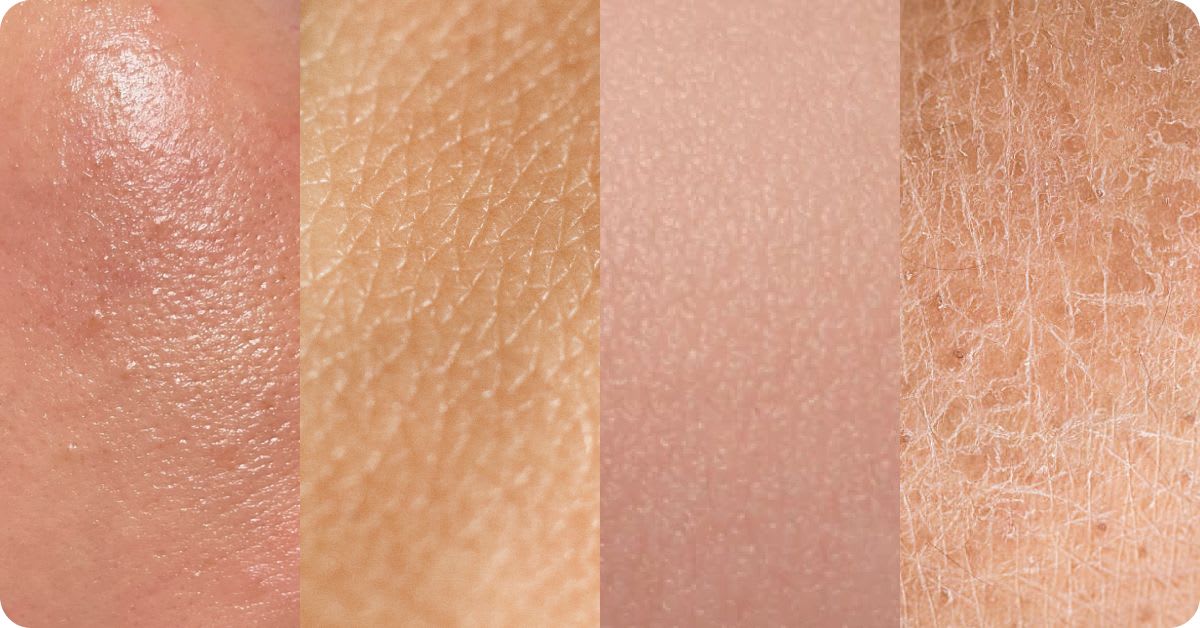
Definitely, there is no one-size-fits-all schedule. The facial frequency should be tailored to your skin type and individual concerns:
- Dry skin: If your skin is dry, it requires extra hydration and exfoliation. A facial every 4-6 weeks or roughly monthly is ideal. Go for treatments packed with hyaluronic acid or moisturizing masks.
- Sensitive skin: If you have sensitive skin, harsh peels and chemical treatments can trigger reactions. Stick to milder facials every 5-6 weeks and always patch test new products.
- Aging skin: For mature skin, nothing beats facials that lift, firm, and boost collagen. Doing monthly sessions helps maintain firmness and minimize fine lines.
- Acne-prone or combination skin: Even if you're 50, breakouts can occur. Therefore, monthly facials focused on cleansing, hydration, and gentle exfoliation are beneficial.
Note: The Epica Beauty can design the perfect frequency based on your skin type, concerns, and lifestyle factors. Remember, what works for your friend may not work for you; personalization is everything.
Types of Facials Best for Mature Skin
Not all facials are created equal. For skin in your 50s, it’s best to select treatments that restore moisture, support collagen, and encourage cell turnover.
There are three major facials:
Anti-aging | Hydrating | Light chemical peels |
Think lifting, firming, and smoothing fine lines. Treatments often combine serums like hyaluronic acid or vitamin C, gentle massage, and mild exfoliation to boost collagen and tighten skin. | Ideal candidates for dry, sensitive skin. Expect to use nourishing masks, like aloe vera or honey, moisturizing serums, and soothing techniques to restore softness and plumpness. | A tender refresh for mature skin. Using a mild acid on the top layer of your skin to brighten and even out your tone. Healing usually takes 1-7 days. |
For adults in their 50s, the most relevant are anti-aging facials, as they directly target firmness, wrinkles, and collagen support. However, combining them with hydrating facials or light chemical peels can enhance results, keeping skin moisturized, radiant, and refreshed.
The best treatment is very individual, though.
How Often Is Too Often?
You can tell you’re overdoing treatments by the signals your skin gives you. Even the most professionally performed facial can backfire if overdone. Basic signs of overtreatment include:
- Redness, irritation, sensitivity.
- Flakiness or drying despite using moisturizers
- Breakouts of heightened sensitivity to products.
- Skin barrier damage.
Hence, for mature individuals, the top safety measure would be doing facials every 4-6 weeks or monthly. Other safety measures would include:
- Patching test new products: especially chemical peels, serums, or exfoliants.
- Using gentle techniques: avoiding harsh scrubs or high-intensity treatments that can damage delicate skin)
- Monitoring reactions.
- Protecting from sun exposure: always apply SPF after facials because your skin may be overly sensitive to UV rays.
- Consulting the professional: talk to an expert about your medications, sensitivities, or skin conditions before trying something new. It’s likely the most important step for protecting your skin.
At-Home Skincare vs Professional Facials
When it comes to at-home skincare versus professional facials, both play paramount roles, especially for mature skin. Your daily routine lays the foundation for healthy skin: keeping it hydrated with moisturizers, serums, or facial oils, gently exfoliating to refresh it, and using active ingredients like retinol and peptides.
Daily SPF is non-negotiable in this situation as it protects you from sun damage and preserves the results of any treatment.
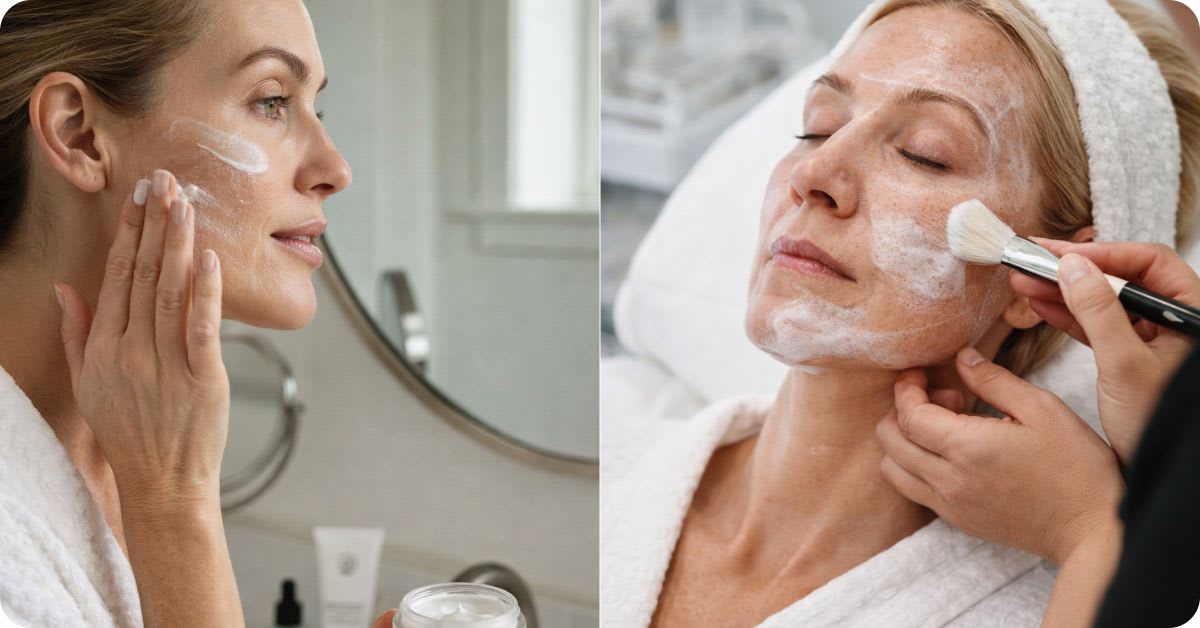
Professional facials, on the other hand, are optional but highly beneficial. They act as a boost, addressing various skin concerns, like sagging, dullness, or fine lines, more effectively than at-home care alone. Special treatments dive deep to hydrate, kick-start collagen, and speed up cell renewal, giving your skin that kind of boost your daily routine can’t attain.
Other benefits of facials:
- Minimize pores.
- Control excess oil.
- Fade dark spots.
- Keep your skin’s pH (potential of Hydrogen) balanced (3).
What Dermatologists Recommend
According to the American Academy of Dermatology, experts strongly emphasize that sun protection is the foundation of any anti-aging plan. Sun exposure accelerates aging, so grab your SPF 30 or higher, seek shade, and rock clothing daily to keep your skin glowing and protected.
As we age, our skin becomes drier. So, daily moisturizing after gentle cleansing helps trap water in the skin, soften fine lines, and keep your skin fresher, acne-free, and more youthful.
Dermatologists also recommend:
- Stick to gentler cleaners twice a day (skip harsh soaps);
- Avoid indoor tanning;
- Ditch smoking;
- Handle stress just right (take advantage of yoga, walking, or doing other pleasurable activities that relieve negative emotions);
- Eat a nutrient-rich diet (veggies, fruits, lean proteins, and healthy fats);
- Get enough sleep…
because all of it shows up on your skin (4).
Finally, a professional evaluation by a dermatologist or esthetician can help you determine the right facial and frequency based on your skin type and concerns.
By the way, EpicaBeauty offers personalized skin analysis designed just for you because your skin deserves more than one-size-fits-all care.

Facial Frequency After Menopause
After menopause, declining estrogen levels bring noticeable changes to your skin. Collagen production slows, leading to thinner, less elastic skin with fine lines and wrinkles.
Oil production decreases, which leads to drier skin, more prone to flakiness and irritation.
You might also notice slower healing, uneven tone, and texture (5).
Because of this, most dermatologists recommend scheduling skin facials post-menopause, typically every 4-6 weeks. The following frequency allows your skin to fully benefit from active ingredients and treatment without irritating sensitive areas.
One fresh study also highlights the importance of nutrition, hydration, and sun protection for maintaining skin health during and after menopause (6).
Let your skin guide you by focusing on hydration, gentle exfoliation, and adjusting your routine based on how your skin reacts.
Signs You Need a Facial More (or Less) Often
Pay attention to what your skin is telling you. If you notice signs of:
- dehydration
- dullness
- buildup
…it might be a good time to book a facial procedure more often.
On the other hand, signs of:
- redness
- irritation
- hyper sensitivity
…may indicate your skin needs more time between treatments to recover.
Facial schedules aren’t universal. Focus on what your skin truly needs - combine regular professional treatments with a smart home-based routine to maintain a radiant complexion without overdoing it.
Common Mistakes in Anti-Aging Skincare
Even with the best intentions, mature skin routines can go off track. Check out the top mistakes to avoid in anti-aging skincare:
- Over-treatment: Using too many active ingredients or exfoliating too aggressively can irritate the skin and slow down healing. Instead, introduce one active at a time, stick to gentle exfoliation, and allow your skin to adjust before adding more treatments.
- Choosing the wrong products: Using harsh cleansers or high-strength peels may worsen dryness, sensitivity, or breakouts. Instead, select tender cleansers and mild treatments designed for mature skin.
- Skipping hydration, ignoring SPF, and not adjusting routines. Instead, moisturize daily, always apply SPF, and tweak your routine as your skin evolves.
- Introducing new products too quickly: This can stress your skin. Instead, add one product at a time and give your skin a few weeks before trying something new.
Listen to your skin and focus on hydration and targeted actives like retinol, peptides, and antioxidants. The EpicaBeauty can guide you in creating a routine tailored to your skin type and concerns, ensuring all the treatments are safe and won’t overstress your skin.
Our Curated Favorites for Mature Skin
Olay Collagen Peptide Face Moisturiser Day Cream
Why it’s worth it: This lightweight day cream is a triple-threat for mature skin. It combines hydration, anti-aging support, and SPF protection in one easy step. The cream helps smooth fine lines, boost elasticity, and improve overall texture, while shielding your skin from UVA and UVB rays. Ideal for women over 50, it simplifies your morning routine while tackling dryness, sagging, and sun damage.
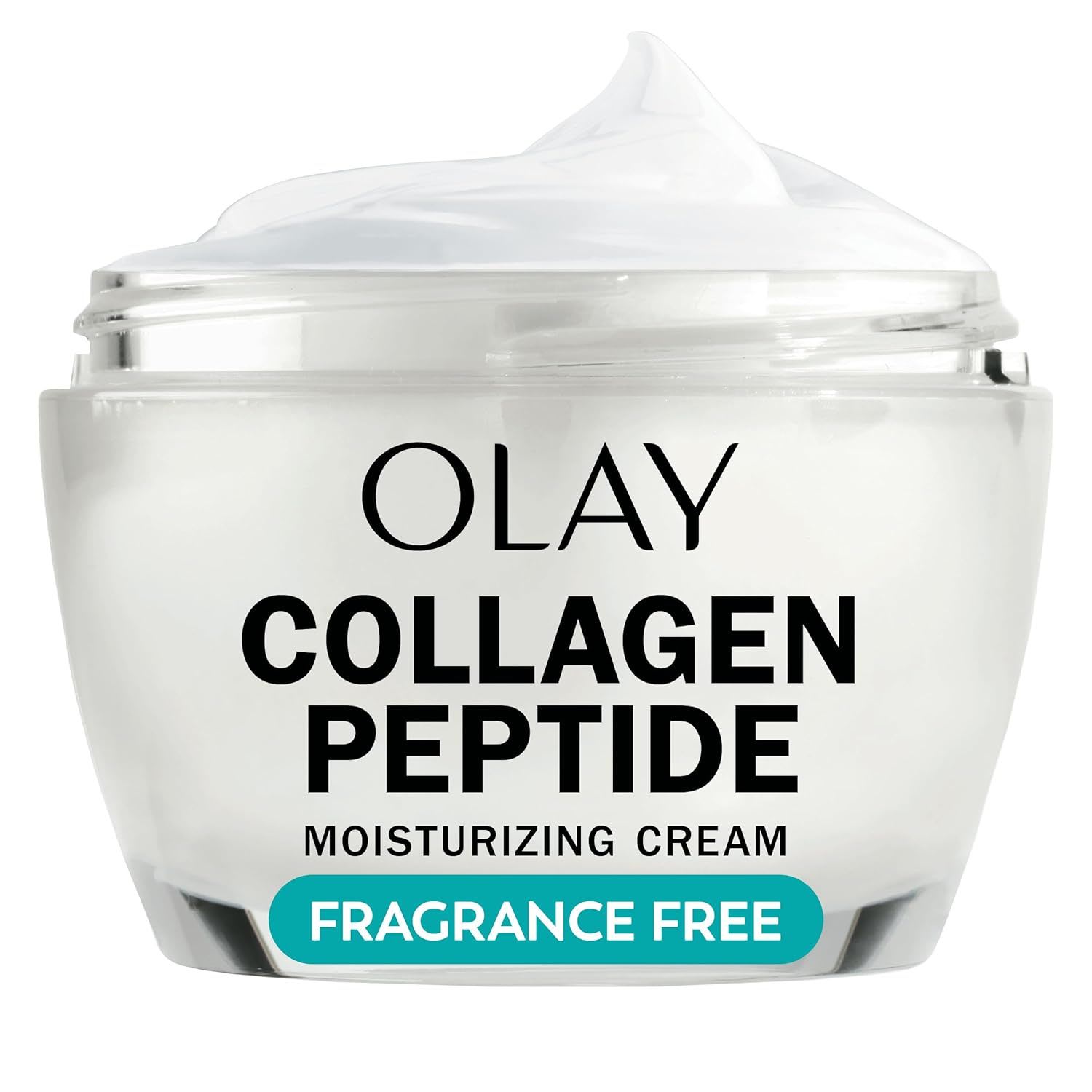
Key ingredients: Collagen peptides (supports firmness), niacinamide (strengthens barrier and evens tone), glycerin (locks in moisture), SPF 30 (broad-spectrum UV protection).
Fragrance‑free: Unscented.
Best for: Mature skin that needs daily hydration, sun protection, and support for elasticity.
La Roche-Posay Toleriane Hydrating Gentle Face Cleanser
Why it’s worth it: Designed by dermatologists for dry and sensitive skin, this non-foaming cleanser hydrates your skin and gently sweeps away dirt. Packed with powerhouse ingredients like glycerin, ceramides, and niacinamide, it strengthens the skin barrier, leaving your skin soft, soothed, and prepped for your anti-aging routine. Ideal for mature skin that’s prone to dryness or reactivity.

Key ingredients: Glycerin (hydrates the skin), ceramides (support the skin’s barrier), niacinamide (soothes the skin)
Fragrance-free: Yes
Best for: Dry, sensitive, and mature skin
IMAGE Skincare, AGELESS Total Resurfacing Masque
Why it’s worth it: This exfoliating mask is designed to renew dull, uneven skin by combining chemical and physical exfoliation. Glycolic and salicylic acids help dissolve dead skin cells and unclog pores, while jojoba beads gently polish the surface for a smoother texture. The formula supports skin renewal, leaving the complexion clearer, softer, and more refined after each use.
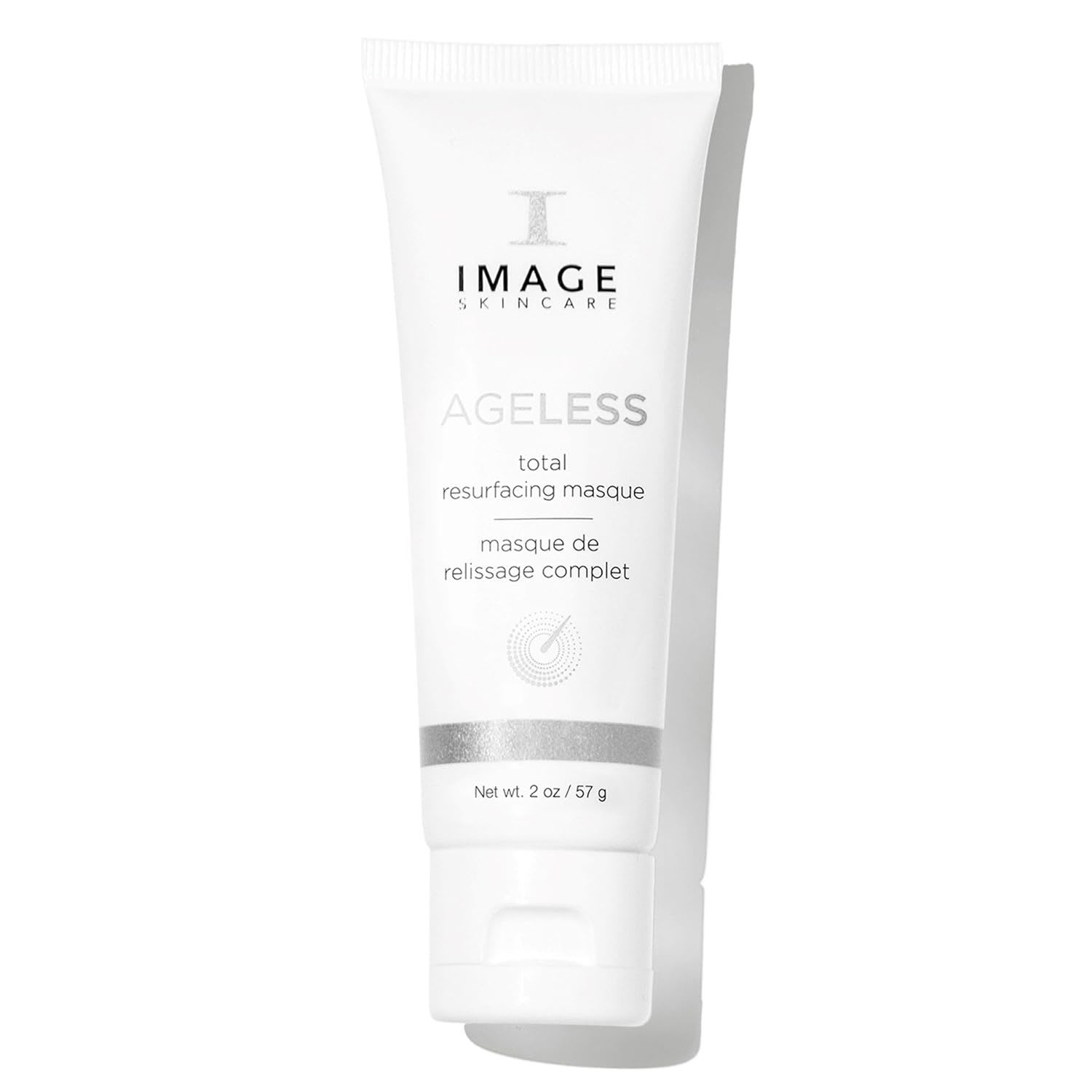
Key ingredients: Glycolic acid (removes dead skin cells and improves texture), salicylic acid (cleans pores and reduces congestion), jojoba beads (provide gentle physical exfoliation)
Fragrance-free: Yes
Best for: Mature skin, uneven skin texture, clogged pores, and anyone looking to smooth and refresh their complexion without harsh scrubbing.
Vanicream Gentle Facial Cleaner
Why it’s worth it: It’s a go-to for sensitive skin, recommended by dermatologists for adults 50+. It gently removes dirt and oil without irritating, leaving your skin soft, clean, and comfortable after every wash. Non-comedogenic and free from sulfates, dyes, and parabens, it keeps pores clear and skin calm, making it ideal for those prone to sensitivity or eczema. Backed by the National Eczema Association Seal of Acceptance, this cleanser combines gentle care with decades of trusted expertise.
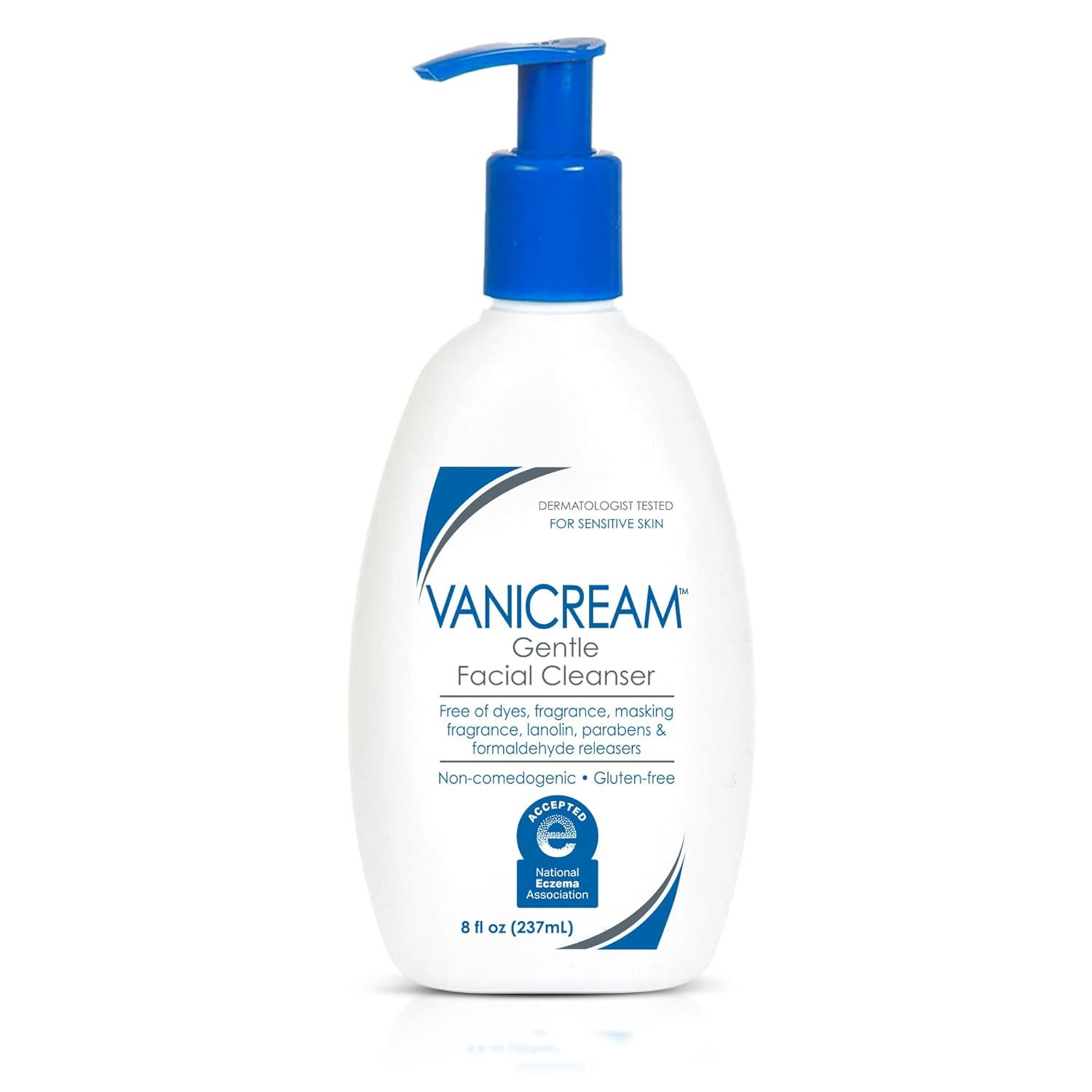
Key ingredients: Glycerin (draws in moisture), caprylyl glycol (moisturizes and preserves the formula), titanium dioxide (provides gentle sun protection).
Fragrance-free: Yes
Best for: Sensitive, dry, eczema-prone skin.
Dermend Specialized Fragile Skin Moisturizing Cream
Why it’s worth it: This rich, moisturizing cream is specially formulated for fragile, crepey, or thinning skin. Its blend of ceramides, hyaluronic acid, niacinamide, and retinol helps reinforce the skin’s barrier, boost hydration, and support elasticity. As a result, your skin feels softer and rejuvenated without any greasy or sticky finish. A powerhouse ingredient that protects delicate skin from dryness and environmental stress.
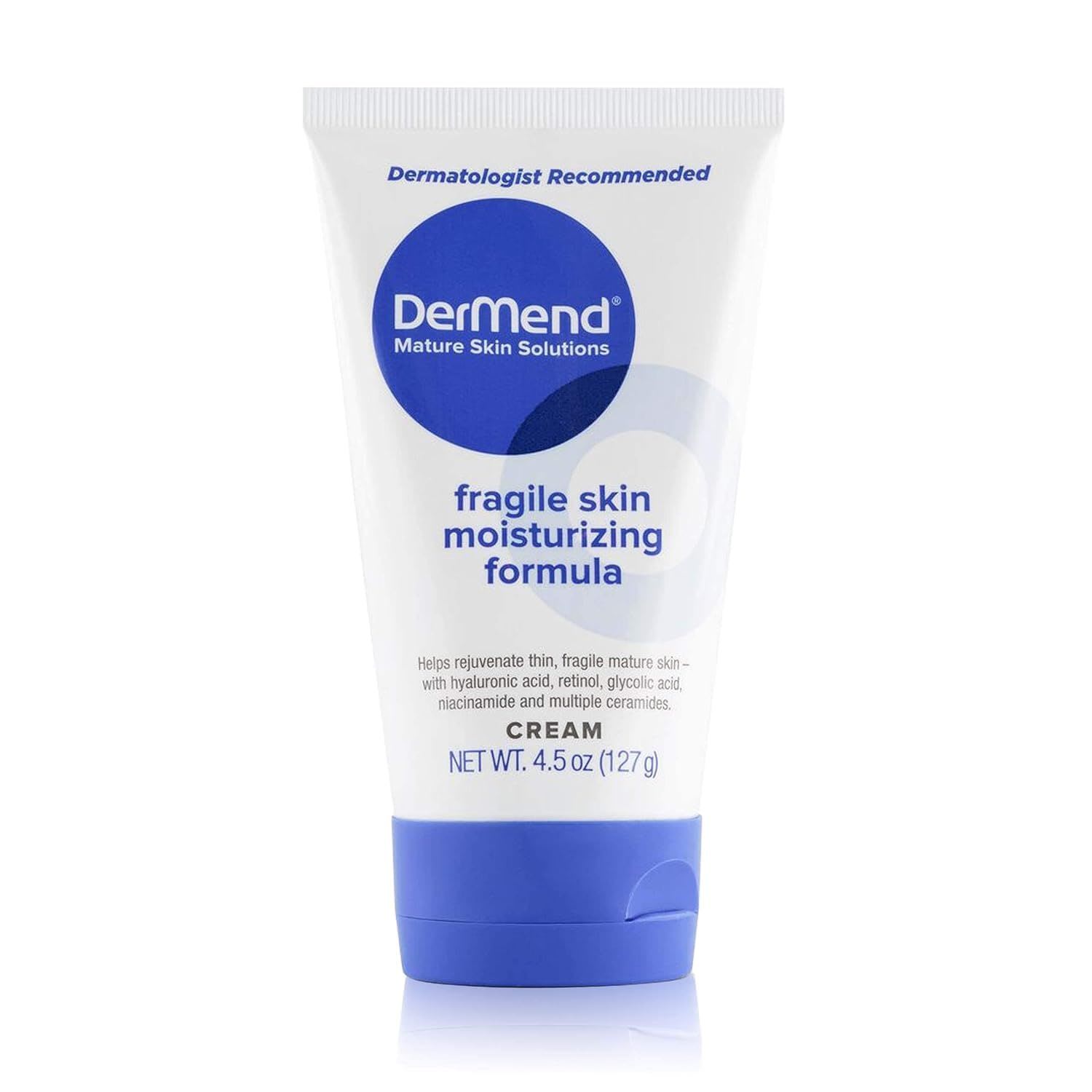
Key ingredients: Ceramides (strengthen the skin barrier), glycolic acid (gently exfoliates), sodium hyaluronate (preserves lasting hydration).
Fragrance-free: Yes
Best for: Aging, thin, or fragile skin.
Wrapping Up
Facials in your 50s aren’t just a treat - they are a smart way to support mature skin, lock in hydration, and keep collagen in check. Most dermatologists suggest them every 4-6 weeks, tailored to your skin type, concerns, and lifestyle.
Make sure you use treatments that hydrate, strengthen your skin barrier, and gently exfoliate - think of anti-aging facials, light chemical peels, and nourishing masks.
Here’s the deal: less is more. Over-exfoliating or using harsh treatments can stress aging skin. Pair professional facials with a simple at-home routine - pick hydrating cleansers, serums, moisturizers, and daily SPF. Your skin will be grateful.
The ultimate secret? Listen to your skin, work with a trusted esthetician or dermatologist, and lead a healthier lifestyle. With a bit of consistency and care, healthy skin over 50 isn’t only possible but inevitable.


- PMC. Effect of the Sun on Visible Clinical Signs of Aging in Caucasian Skin. September 27, 2013. https://pmc.ncbi.nlm.nih.gov/articles/PMC3790843/. Accessed April 3, 2026.
- ScienceDirect. Diet and Skin Health: The Good and the Bad. February 2024. https://www.sciencedirect.com/science/article/abs/pii/S0899900723003787?. Accessed April 3, 2026.
- Cleveland Clinic. Facials: What Are They, and What Do They Really Do? August 21, 2023. https://health.clevelandclinic.org/what-is-a-facial. Accessed April 3, 2026.
- American Academy of Dermatology. Skin Care in Your 40s and 50s. February 11, 2025. https://www.aad.org/public/everyday-care/skin-care-basics/care/skin-care-in-your-40s-and-50s. Accessed April 3, 2026.
- American Academy of Dermatology. Caring for Your Skin in Menopause. January 23, 2025. https://www.aad.org/public/everyday-care/skin-care-secrets/anti-aging/skin-care-during-menopause. Accessed April 3, 2026.
- PMC. Managing Menopausal Skin Changes: A Narrative Review of Skin Quality Changes, Their Aesthetic Impact, and the Actual Role of Hormone Replacement Therapy in Improvement. January 14, 2025. https://pmc.ncbi.nlm.nih.gov/articles/PMC12374573/. Accessed April 3, 2026.