 Log in
- TL;DR
- What Happens to Skin as You Age
- How to Choose the Best Products for Mature Skin
- Complete Skincare Routine for Mature Skin
- Best Skincare Products for Mature Skin by Category
- Best Clean Beauty & Makeup for Mature Skin
- Advanced Skincare Tools for Mature Skin
- Common Skin Concerns After 40, 50, 60
- Tips to Make Your Skin Look Younger Naturally
- FAQ
- What is the best skincare routine for mature skin?
- What cleanser is best for aging skin?
- Can drugstore products work as well as luxury?
- How often should you exfoliate mature skin?
- Should older women use retinol?
- Expert Tips from Dermatologists
- What is a good skin care routine for anti-aging?
- Which is best for anti-aging skin?
- What is the Japanese secret to slow aging?
- Do any anti-aging products really work?
- What is the cleanest skin care line?
- What do dermatologists recommend for mature skin care?
- What are the best non-toxic makeup brands for mature skin?
- Clean Skincare for Seniors
- Clean beauty for mature skin
- What's the best skincare regimen for aging, mature skin?

Best Skincare Products for Mature Skin: Complete Routine for Glowing, Youthful Skin
Skin changes after 40 are structural. Collagen synthesis declines by 1–1.5% annually, according to a meta-analysis in The American Journal of Medicine (2025). Barrier lipid output falls in parallel, and surface cell renewal lengthens from ~28 to over 40 days after 50.
Those three shifts narrow the range of products the skin can tolerate. Aggressive exfoliation and high-percent actives cause more damage than they fix at this stage. What works is barrier support paired with low, consistent doses of targeted ingredients.
TL;DR
- After 40, collagen falls 1–1.5% per year, barrier lipids drop, and cell renewal slows from ~28 to 40+ days. Skin tolerates less than it did at 25.
- What to add: ceramide-rich moisturiser, vitamin C (AM), retinol (PM — ramped slowly from 2 nights/week), daily broad-spectrum SPF 30–50.
- What to cut: ingredients that have a high concentration of exfoliating acids, alcohol heavy formulas, and harsh physical exfoliants.
- Sequence that works: AM — gentle cleanser → vitamin C → moisturiser → SPF. PM — double cleanse → retinol → richer cream.
- Visible results from retinoids, vitamin C, and peptides land at 8–12 weeks. Switching products before that window closes is the most common reason routines fail.
What Happens to Skin as You Age
Skin changes that surface in the 40s start years earlier at the cellular level. Three of them drive most of what's visible at this age: collagen loss, barrier lipid depletion, and slower surface renewal. Each responds to a different class of ingredient.
Thinner skin, dryness, loss of elasticity
Collagen loss affects both firmness and moisture retention. At the same time, oil production slows, and the skin barrier thins — transepidermal water loss (TEWL) rises, and the barrier can no longer hold water the way it did at 25.
A weakened barrier could increase penetration of active ingredients, which can increase the risk of irritation. A hyaluronic acid serum without a barrier supporting moisturizer on top will pull water from the dermis up and then lose it to the air, leaving skin feeling drier over time.

Fine lines, wrinkles, uneven tone
Fine lines develop from several overlapping factors: collagen breakdown reduces structural support, repeated facial movement deepens expression lines, and UV exposure accelerates both.
Uneven tone follows the same pattern — sun damage and slower cell renewal lead to pigmentation that becomes more persistent over time. This is why brightening ingredients and daily SPF matter as much as hydration in a mature skincare routine.
Slower cell turnover
Skin renewal slows with age — and the drop isn't gradual. A PubMed study found that cell renewal remains relatively stable through early adulthood, then declines sharply after 50. In young adults, surface transit time runs approximately 20 days; in older adults, it extends by more than 10 days.
Dead skin cells remain on the surface longer, which makes the texture more visible and reduces how well products absorb. This also affects how makeup sits on the skin. The goal at this stage isn't aggressive exfoliation — it's controlled, gentle renewal that doesn't compromise the barrier.
How to Choose the Best Products for Mature Skin
Tolerance to 2% salicylic acid can vary between individuals; some older adults tolerate it well, while others may require less frequent use or gentler formulations. At this stage, the three constraints that matter are lower lipid content, thinner barrier, and lower tolerance to layered actives — formulas need to be chosen against those constraints, not against historic preferences.
What to Look for in Skincare for Mature Skin
Products for mature skin need to do two things at once: support the skin barrier and deliver active ingredients in a form the skin can tolerate.
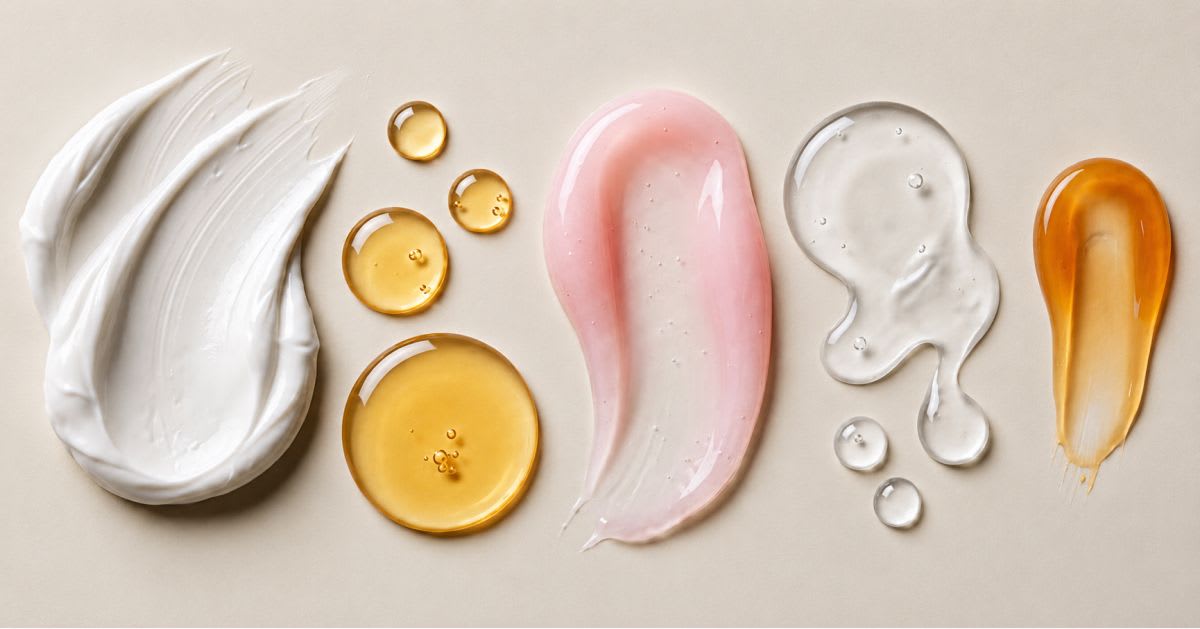
Hyaluronic acid draws water into the skin and softens the appearance of fine lines but without a cream on top to seal that moisture, the effect doesn't last.
Ceramides seal it in by rebuilding the lipid matrix of the barrier (they're part of the actual structural lipid set the skin makes naturally — the native ratio is roughly 50/25/15 ceramides/cholesterol/fatty acids). This matters especially after 50, when natural lipid levels decline.
Vitamin C doesn't hydrate directly, but it evens out skin tone and supports collagen synthesis. Used consistently in the morning, it improves overall clarity over time.
Retinol and peptides work differently — retinol increases cell turnover and improves texture, while peptides signal the skin to support firmness. Tolerable consistency beats potency: 0.3% retinol used four nights a week over 12 weeks outperforms 1% retinol used for a week before the skin gets red and the user quits.
Ingredient | What it does | Best for | Watch out for |
Hyaluronic acid | Attracts water, softens fine lines | Dry, dehydrated skin | Needs moisturizer on top |
Ceramides | Strengthen barrier, reduce moisture loss | Sensitive, barrier-damaged skin | Works best in creams |
Vitamin C | Brightens tone, supports collagen | Uneven tone, dullness | Can irritate at high % |
Retinol | Increases cell turnover, improves texture | Fine lines, aging skin | Start slowly |
Peptides | Support firmness, improve elasticity | Loss of firmness | Results are gradual |
What to Avoid
Foaming cleansers built around sodium lauryl sulfate (SLS) remove sebum and skin lipids at roughly the same rate as dirt. Frequent use of SLS can disrupt the skin barrier and increase dryness and irritation, particularly in mature or sensitive skin.
Alcohol and added fragrance create a similar problem: they don't always cause immediate irritation, but repeated exposure could weaken the barrier and increase reactivity over time.
Over-exfoliation is the third common failure mode. Frequent use of higher concentration glycolic acids, or any physical scrub such as those with walnut shell or sugar crystals, can increase irritation and sensitivity. Weekly low-percent AHA (5–7%) produces more measurable improvement over 8 weeks than twice-weekly 10%+.

Complete Skincare Routine for Mature Skin
A working morning routine has four steps; an evening routine has three. Compression matters: a stripping cleanser neutralises the 2–3 actives that follow it, which is why step 1 decides how much of the rest of the routine lands.

Morning Routine
The morning routine focuses on protection: preparing the skin barrier, delivering antioxidants, and sealing in moisture before UV and environmental exposure begins.
Cleanser
Morning cleansing should be minimal. Overnight, mature skin doesn't accumulate the same buildup as during the day — a gentle hydrating cleanser is enough to prepare the skin without disrupting the barrier.
If skin feels tight within 60 seconds of rinsing, the cleanser's surfactant load is too high for mature skin — that tightness is the barrier losing water to the air faster than it can rebuild.
Serum (Vitamin C)
Vitamin C works best in the morning because it supports the skin under daily environmental stress. It helps reduce oxidative stress from UV light and improves how evenly the skin reflects light. The effect is gradual — consistent use over several weeks produces a more even tone and softens the visibility of fine lines.
Moisturizer
A cream moisturizer for mature skin has two jobs at once: humectants (hyaluronic acid, glycerin) bind water, and a lipid/occlusive top layer (ceramides, dimethicone, squalane) stops it from leaving.
Lightweight gels often fall short here. A well-formulated cream combines humectants like hyaluronic acid with lipids like ceramides to keep the skin barrier intact throughout the day. Sensitive skin benefits especially from fragrance-free formulas with a simple ingredient list.
SPF
UV exposure continues to break down collagen and drive pigmentation changes even on overcast days. Without daily SPF, the other steps lose effectiveness. A formula that feels wearable matters — one that's too heavy or leaves residue won't be used consistently, and consistency is what drives results.
💡 Not sure which SPF works for your skin type? EpicaBeauty includes a UV index tracker and personalized routine recommendations that adjust based on how your skin responds over time.

Evening Routine
Most of the actual structural work — collagen synthesis, retinoid-driven turnover, barrier rebuild — happens overnight, which is why the evening routine carries all the heavy actives.
Cleanser
Sunscreen, makeup, and environmental residue build up throughout the day — water alone can't remove them. A double cleanse works best: the first step dissolves oil-based residue, the second removes remaining impurities without stripping the barrier.
Retinol
Retinol accelerates cell turnover and reduces fine lines, but the skin has to ramp up. Standard introduction: 2 nights a week for 2 weeks, then 3 nights a week for 2 weeks, then nightly if tolerated. Visible results typically land at 8–12 weeks.
Moisturizer
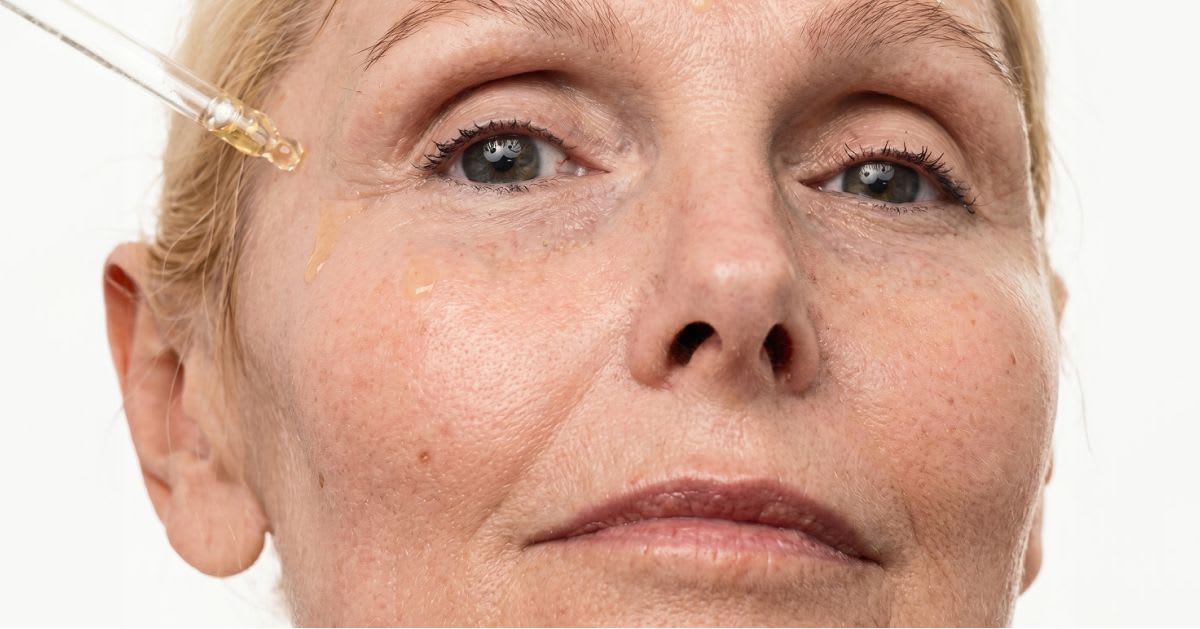
Skin loses more moisture overnight, so the evening cream needs to reinforce the barrier and maintain hydration through the night. A richer formula works better here than a lightweight gel — especially for dry or sensitive mature skin.
Best Skincare Products for Mature Skin by Category
A complete routine doesn't need every category covered. What matters is choosing the right formula per function — one that addresses the specific way mature skin behaves, not just skin in general.
1/7 Best Cleansers for Mature Skin
After 40, the skin barrier produces fewer lipids, which means a cleanser that strips — even slightly — creates a deficit that moisturizer alone can't fully correct. The best cleansers for mature skin use mild, non-ionic or amino acid-based surfactants that lift dirt without disrupting the lipid layer.
Key ingredients to look for: ceramides, glycerin, niacinamide. Avoid harsh ingredients that can accelerate barrier breakdown with repeated use.
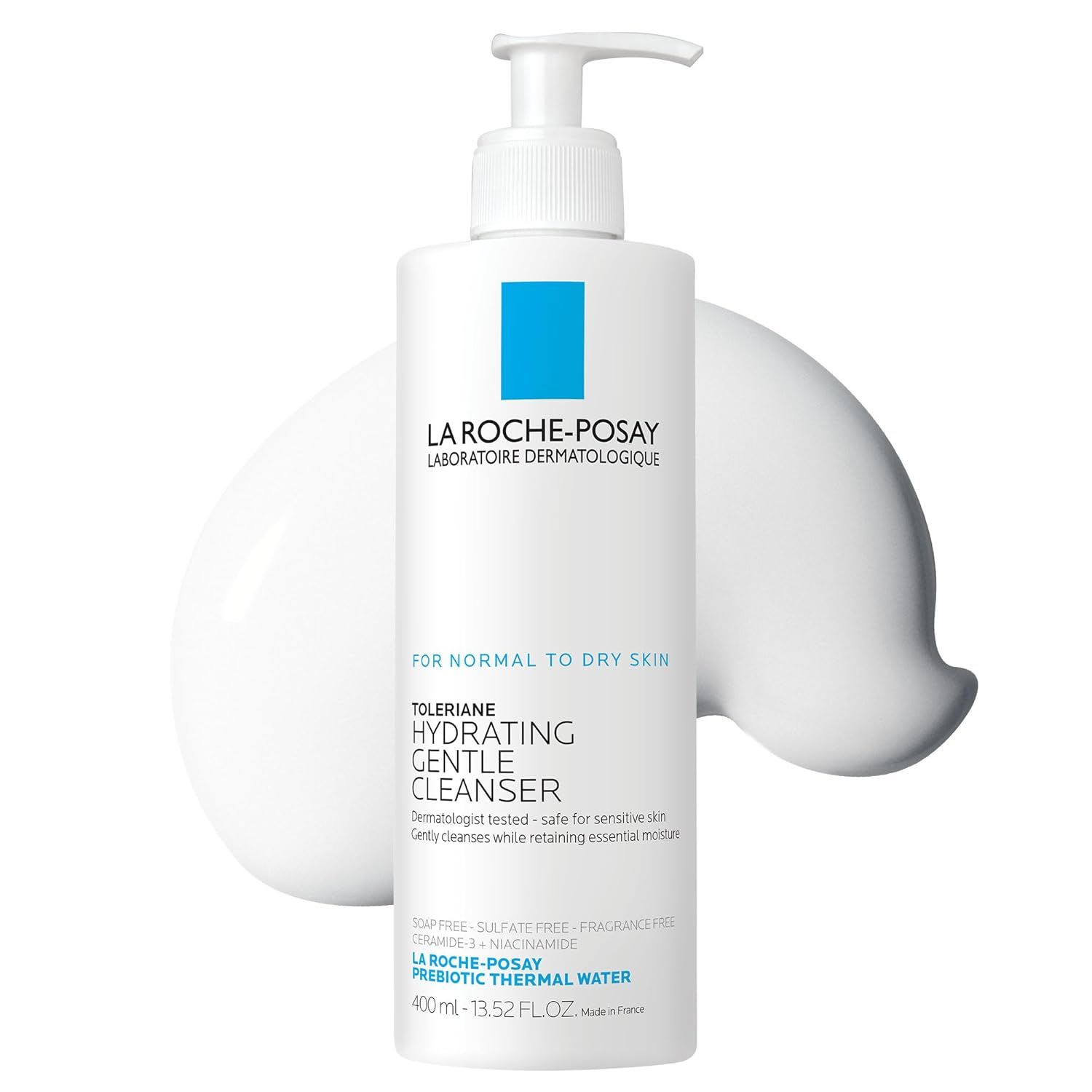
La Roche-Posay Toleriane Hydrating Gentle Face Cleanser
Ceramide-3 reinforces the barrier during cleansing, glycerin maintains moisture levels, and niacinamide supports barrier function and reduces reactivity. Only 15 ingredients total — no sulfates, no fragrance, no unnecessary additives.
More to know:
- Key ingredients: ceramide-3, niacinamide, glycerin, prebiotic thermal water
- Fragrance-free: yes
2/7 Best Moisturizers for Mature Skin
A moisturizer for mature skin needs to work on two levels: draw water into the skin and prevent it from evaporating. Humectants alone — like hyaluronic acid or glycerin — pull moisture in but can't hold it without an occlusive layer on top.
The most effective formulas for mature skin combine humectants with ceramides (which rebuild the lipid barrier) and an occlusive substance like petrolatum or dimethicone. Avoid lightweight water-gel formulas — they typically don't provide enough barrier support for skin after 50.
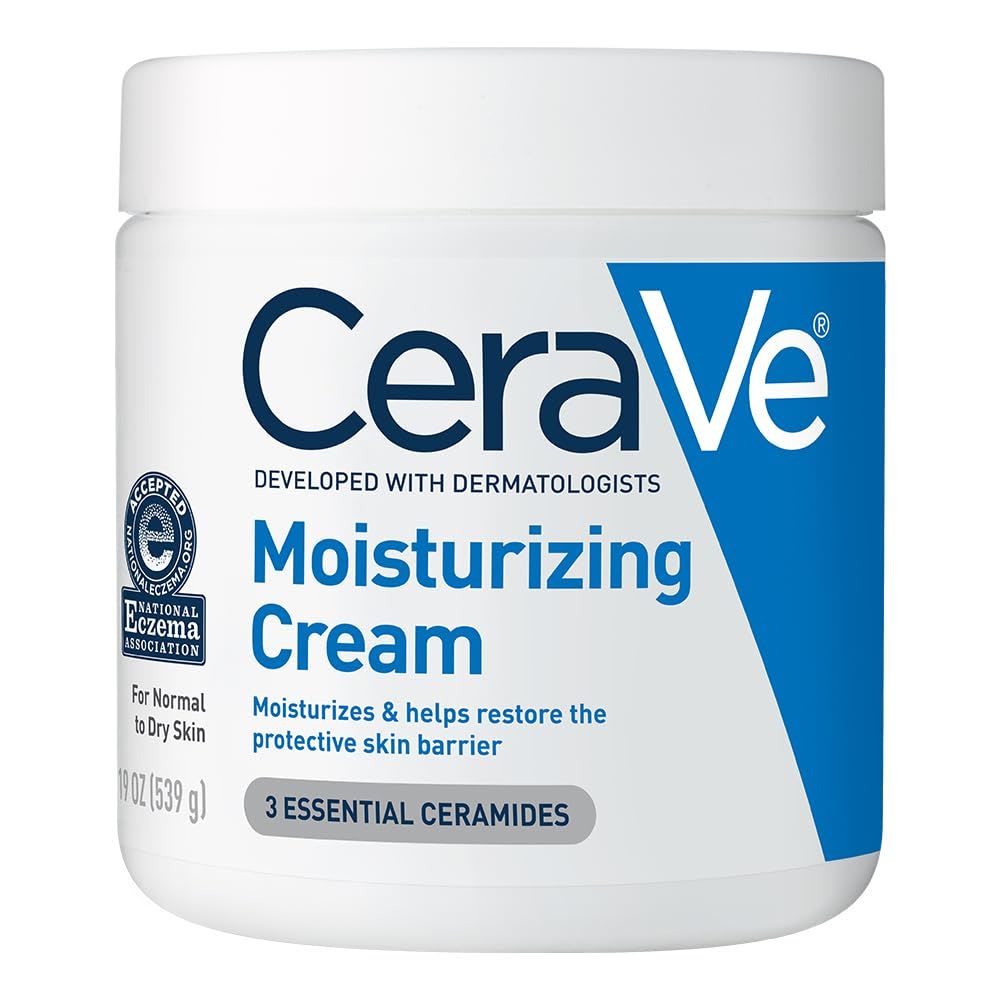
Three ceramides (NP, AP, EOP) rebuild the barrier structure, petrolatum prevents water evaporation, and hyaluronic acid draws moisture into the skin. MVE delivery technology releases moisturizing ingredients gradually over 24 hours rather than all at once.
More to know:
- Key ingredients: ceramides NP, AP and EOP, hyaluronic acid, glycerin, petrolatum
- Fragrance-free: yes
3/7 Best Serums (Anti-Aging & Hydration)
Serums are where targeted treatment happens. A moisturizer can't deliver actives at meaningful concentrations — its primary job is barrier support. For mature skin, the most effective serums address several overlapping concerns: barrier repair, collagen support, pigmentation, and sensitivity.
Key ingredients to look for: PDRN (cell regeneration, microcirculation), niacinamide (melanin inhibition, sebum regulation, barrier strengthening), Centella Asiatica (anti-inflammatory, wound healing). Apply to slightly damp skin before moisturizer for better absorption.
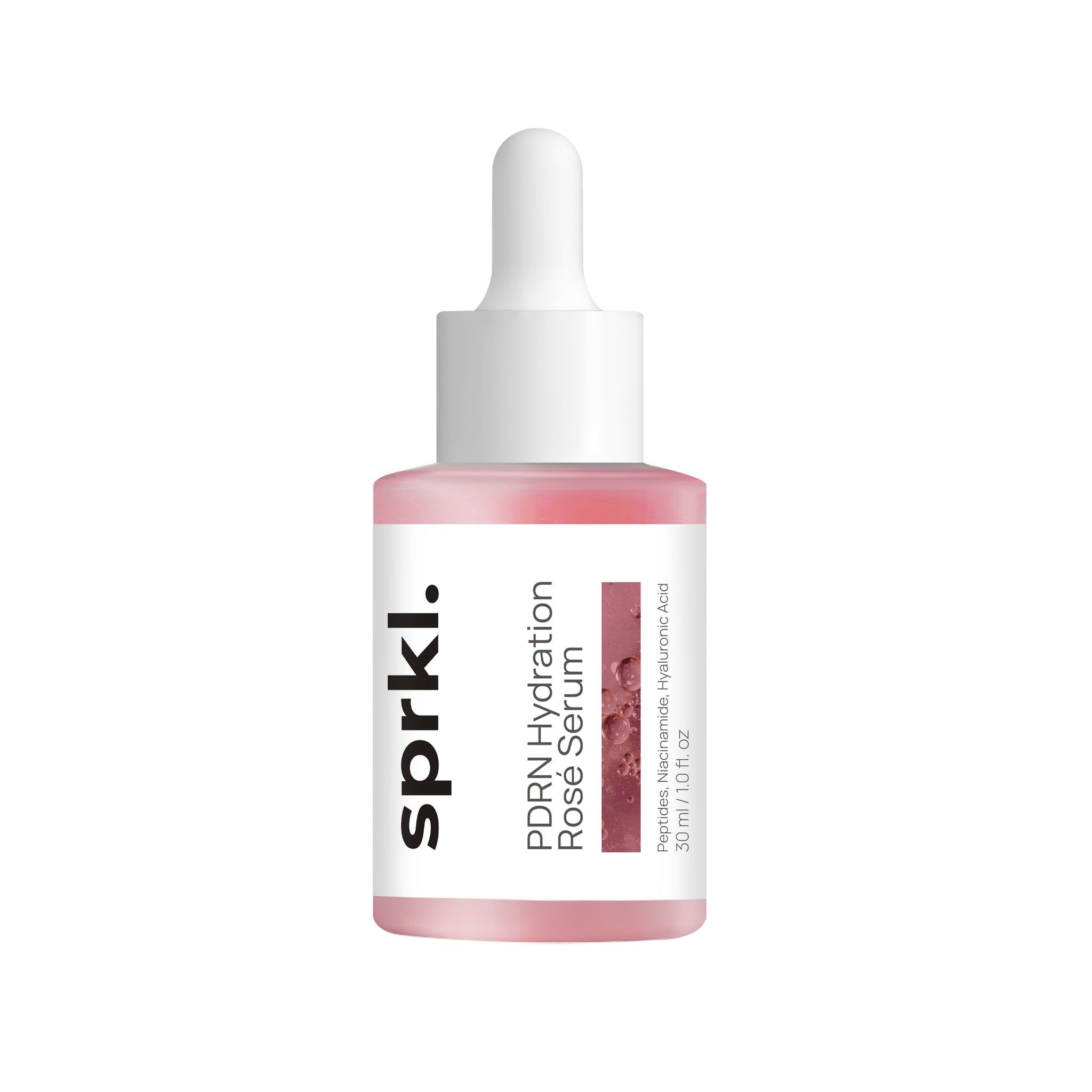
PDRN stimulates fibroblast activity to support collagen and elastin synthesis. Niacinamide inhibits melanin transfer, visibly reduces pore size, and normalizes sebum production over consistent use. Centella Asiatica calms inflammation and strengthens capillary walls — particularly useful for skin recovering from procedures or dealing with chronic redness.
More to know:
- Key ingredients: PDRN, niacinamide, Centella Asiatica, panthenol
- Fragrance-free: to confirm
4/7 Best Eye Creams
The orbital skin is one of the thinnest zones on the face — roughly 0.5 mm vs ~2 mm on the cheek — with fewer sebaceous glands, so it loses water faster and shows structural change earlier. Effective eye creams for mature skin combine two functions: gentle cell renewal to improve texture over time, and hydration to maintain the skin's water content.
Low-concentration retinol or peptides are the two workable actives here; full-strength retinol and strong exfoliants are too aggressive for thin eye-area skin. Avoid high-fragrance formulas and strong exfoliants in this area entirely.
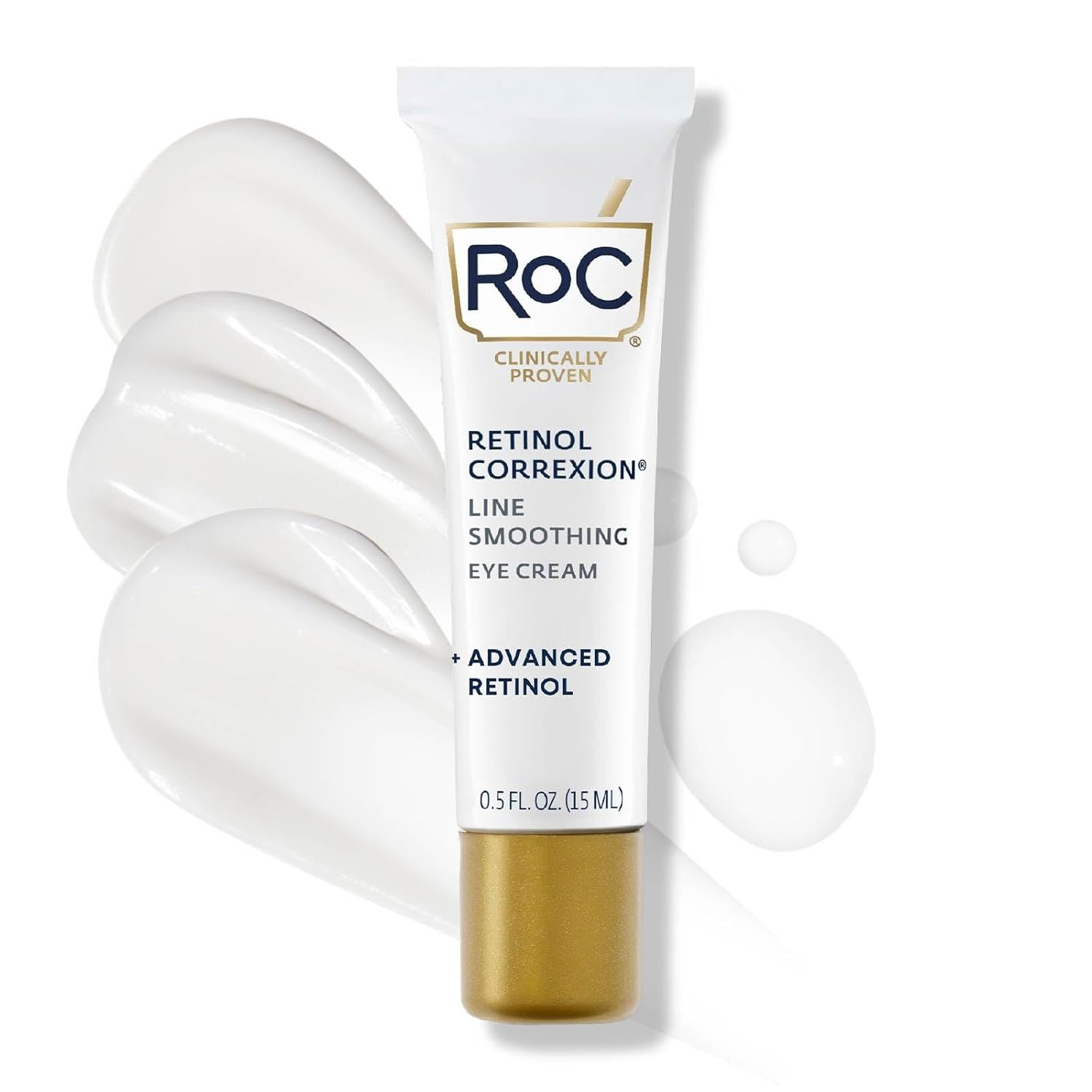
RoC Retinol Correxion Eye Cream
Low-concentration retinol supports cell renewal without overwhelming the delicate eye area. Niacinamide and vitamin B5 maintain moisture and reduce irritation, while peptides signal the skin to support firmness. Results develop gradually — visible improvement in fine lines and texture typically appears after 8–12 weeks of consistent use.
More to know:
- Key ingredients: retinol, niacinamide, vitamin B5, peptides
- Fragrance-free: yes
5/7 Best Face Oils
Face oils are often misunderstood as hydrators — they're not. They work as occlusives: they seal the moisture that humectants and moisturizers have already delivered. The oils that land best on mature skin are closest in structure to the skin's own sebum.
Jojoba (technically a liquid wax ester) is the closest commercially available match: it absorbs without leaving a greasy film and doesn't clog pores. Coconut oil has a comedogenic rating of 4/5 and marula sits around 3–4 — both are too occlusive for daily facial use on skin already struggling with barrier repair.
100% pure jojoba — no additives, no fragrance. Its wax ester structure absorbs readily into the skin and extends overnight hydration without disrupting the barrier or blocking pores.

More to know:
- Key ingredients: 100% pure organic jojoba oil
- Fragrance-free: yes
6/7 Best Exfoliators
Cell renewal slows significantly after 50, which means dead skin cells accumulate on the surface longer — causing dullness, uneven texture, and reduced product absorption. Chemical exfoliants dissolve the bonds between dead cells without the friction that physical scrubs cause.
For mature skin, glycolic acid at 5–10% is the most studied option: it improves texture, stimulates collagen production, and helps pigmentation fade faster. The key variable is frequency, not concentration — once or twice a week is enough. More frequent use thins the outer layer and increases sensitivity rather than improving results.
The Ordinary Glycolic Acid 7% Toning Solution
7% glycolic acid improves surface texture and accelerates cell turnover at a concentration mature skin can tolerate consistently. Tasmanian pepperberry is included specifically to reduce the irritation that glycolic acid can cause at higher frequencies.

More to know:
- Key ingredients: 7% glycolic acid, Tasmanian pepperberry
- Fragrance-free: yes
7/7 Best Masks
Masks serve a different function than daily products — they deliver a higher concentration of actives in a single application and work under occlusion, which improves ingredient penetration.
For mature skin, the most useful masks focus on intensive hydration and antioxidant support: ingredients like stable vitamin C (THD ascorbate), squalane, and berry extracts rich in omega fatty acids. Use 1–2 times a week when skin looks dull or feels depleted — not as a daily substitute for a moisturizer.
Youth To The People Superberry Hydrate + Glow Dream Mask
THD ascorbate is a stable, oil-soluble form of vitamin C that penetrates more effectively than L-ascorbic acid at low pH. Combined with maqui, açaí, prickly pear, and squalane, it replenishes moisture and supports antioxidant defense overnight.

More to know:
- Key ingredients: THD ascorbate, maqui berry, açaí, prickly pear, squalane
- Fragrance-free: no (contains natural fragrance)
Best Clean Beauty & Makeup for Mature Skin
Makeup for mature skin is a different problem than at 25. The priority moves from coverage to flexibility — how a formula moves with texture over an 8-hour day matters more than how much pigment it delivers in the first minute.
Clean beauty brands have largely led this shift, building lighter, more flexible formulas that perform better on skin that's no longer perfectly smooth.
Top Clean Makeup Brands
ILIA's Super Serum Skin Tint, RMS Beauty's 'Un' Cover-Up, and MERIT's Flush Balm are representative of the category: hydrating bases in the first five ingredients, buildable rather than fixed coverage, and a satin finish that tolerates facial movement.
What Makes Makeup Good for Mature Skin
Two factors determine whether makeup works on mature skin: finish and flexibility. Heavy matte formulas contain high levels of silica and kaolin that absorb oil — effective on young skin, but on mature skin, they settle into fine lines within a few hours and make texture more visible.
A satin or natural finish with a flexible film-forming base stays more even throughout the day.
The same logic applies to powders. Finely milled pressed powders with a particle size under 5 microns set makeup without emphasizing texture. Talc-heavy powders with larger particles do the opposite.
Finding the right foundation or powder shade and finish for mature skin usually takes 2–3 tries at the counter. The EpicaBeauty makeup scanner analyzes your makeup and recommends shades that genuinely suit your skin tone in seconds — more practical than the in-store trial-and-error loop.
Advanced Skincare Tools for Mature Skin
Skincare tools don't replace products — they support what's already in the routine. For mature skin, the most relevant devices work through two mechanisms: light energy that stimulates cellular activity, and physical movement that improves circulation and product absorption.
LED Light Therapy
Red light therapy works through photobiomodulation — light energy absorbed by mitochondria in skin cells stimulates fibroblast activity, which supports collagen and elastin production. The clinically relevant wavelengths for this are 630–660 nm for surface-level skin renewal and 850 nm near-infrared for deeper tissue penetration.
A single session does very little — studies show that consistent use over 4–8 weeks produces measurable improvement in skin firmness and fine lines.
What matters when choosing a device: wavelength accuracy, irradiance output (measured in mW/cm²), and whether it covers enough surface area for efficient treatment.
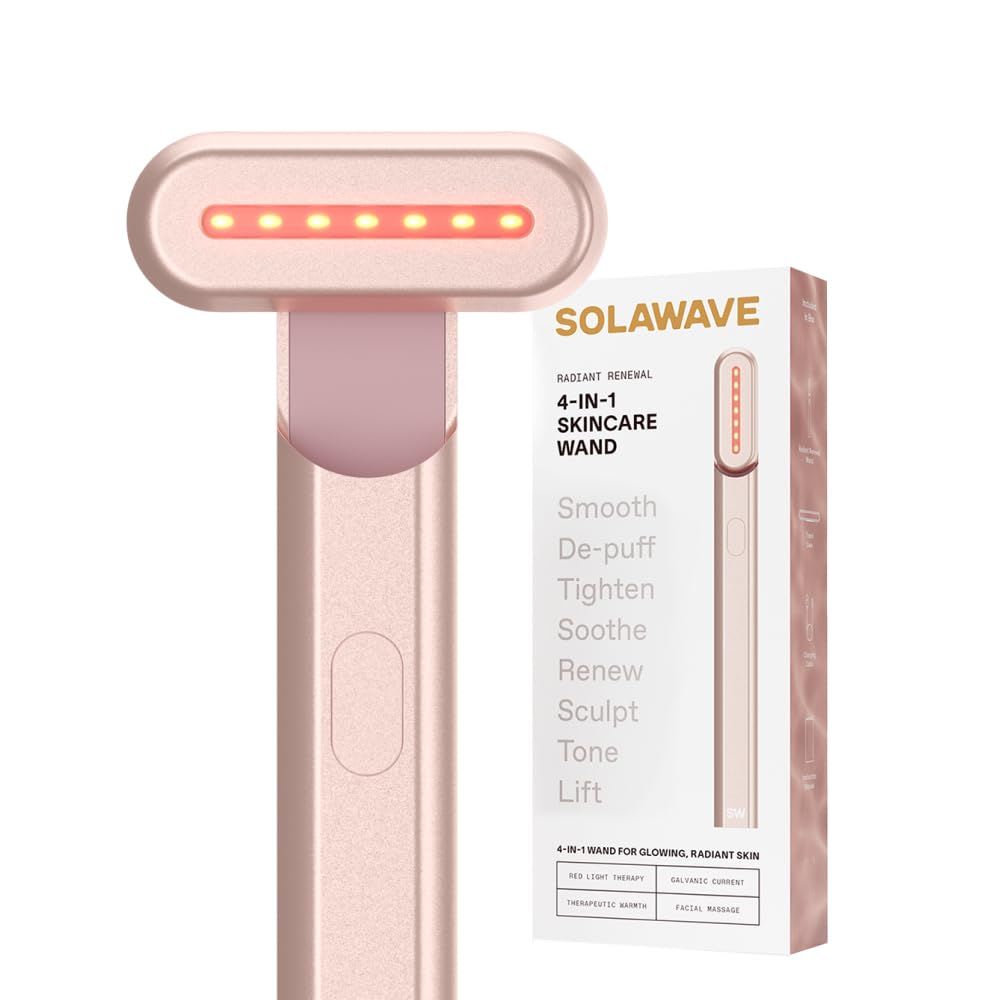
Solawave 4-in-1 Red Light Therapy Facial Wand
Combines 660 nm red light with galvanic current, therapeutic warmth, and facial massage in a single portable device. FDA-cleared (510(k) — regulatory clearance, not efficacy endorsement). Galvanic current improves product penetration, which makes it more effective when used with a serum. Designed for 3-minute targeted treatments per zone, 3 days per week.
NEWKEY LED Face Mask Light Therapy
Full-face LED coverage delivers red and near-infrared light simultaneously across the entire treatment area — more efficient than a wand for those who prefer a hands-free session. Combines red light for collagen support with blue light to address residual sensitivity or inflammation.

Face Massagers & Rollers
Facial massage works through two physiological mechanisms: increased local circulation, which temporarily improves skin tone and reduces puffiness, and lymphatic drainage, which moves excess fluid away from the face.
Neither effect is permanent, but consistent daily use — 3 to 5 minutes — produces a visible cumulative difference, particularly around the jawline and under-eye area. Rollers and gua sha tools also improve product absorption when used immediately after applying a serum or oil. The material matters less than technique and consistency.
REVO Genie 3-in-1 Face & Neck Beauty Massager
Combines heat, smart vibration, and three LED wavelengths (red, blue, green) in a gua sha-inspired design that contours along facial structure. Heat and vibration improve circulation and support lymphatic drainage, while red light provides additional collagen support alongside the massage. Practical for those who want to combine massage and light therapy in one step.

BAIMEI Jade Roller & Gua Sha Set
One of the most reviewed roller sets on Amazon, with tens of thousands of five-star ratings as of early 2026. Jade stays cool on contact, which supports the depuffing effect. The dual-ended roller covers both larger face areas and the delicate under-eye zone. The gua sha tool is shaped for jawline and neck work.

Home devices handle the daily and weekly layer — circulation, surface renewal, low-dose LED. Professional facials cover the part of the work that doesn't belong in a bathroom: enzymatic peels at clinical strength, extractions that shouldn't be self-performed, and device-level radiofrequency or microcurrent.
The right frequency shifts by decade — for a routine built around 50+ skin, the schedule and what to ask the esthetician for is broken down in How Often Should You Get a Facial in Your 50s?
Common Skin Concerns After 40, 50, 60
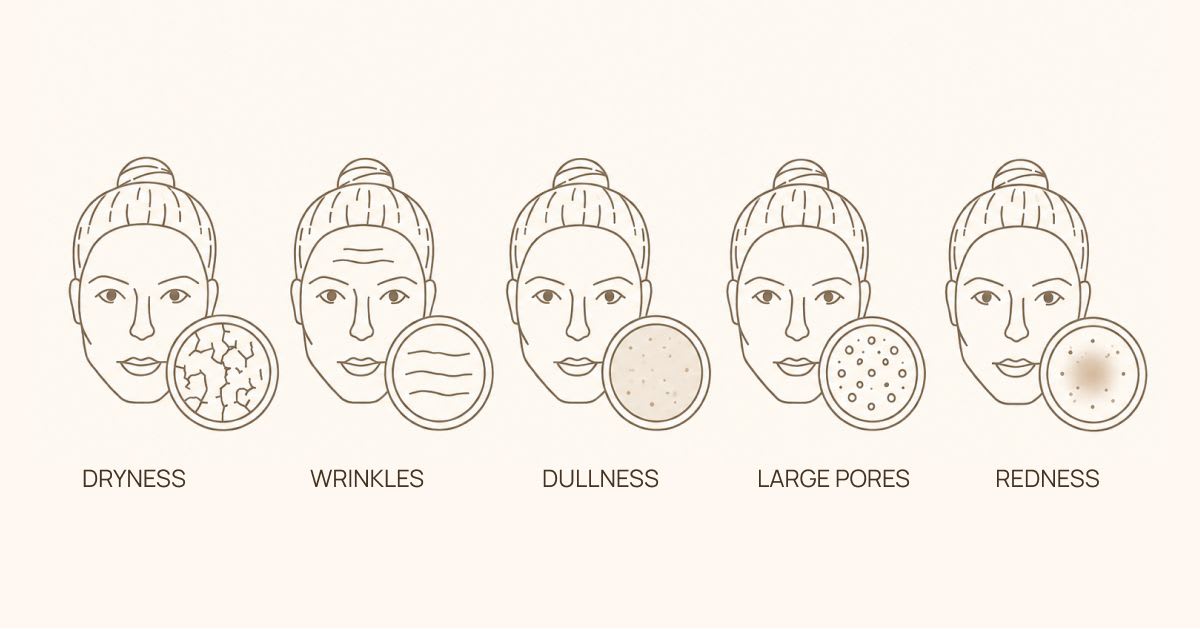
Dryness, dullness, and reactivity after 40 usually trace back to two upstream mechanisms: lower lipid output from the skin's own barrier, and slower surface cell renewal. Fixing those two resolves a large share of surface complaints without adding new actives.
Dryness
Dryness after 40 isn't simply dehydration — it's a lipid deficit. The skin barrier produces fewer ceramides and fatty acids with age, which means moisture escapes faster than it can be replenished.
Humectants alone don't solve this: without lipids to seal the barrier, water-binding ingredients like hyaluronic acid evaporate quickly after application. Effective treatment requires both a humectant to draw moisture in and an occlusive or ceramide-rich formula to keep it there.
Wrinkles
Wrinkles develop through two overlapping processes: structural collagen loss, which reduces the skin's ability to spring back, and repeated facial movement that deepens expression lines over time.
After 50, declining estrogen accelerates both — in a 1987 paper (Brincat et al., PubMed), postmenopausal dermal collagen fell by roughly 2% per year in the first five years after menopause. Retinoids address the first mechanism by stimulating cell turnover and collagen synthesis. Peptides support the second by signaling the skin to maintain firmness.
Dullness
Dull skin is a direct consequence of slower cell turnover — dead skin cells accumulate on the surface longer, reducing how much light the skin reflects. This also affects product absorption: active ingredients penetrate less effectively through a buildup of dead cells. Controlled exfoliation (1–2 times per week) and vitamin C address both issues — exfoliation clears the surface, vitamin C improves how evenly the skin reflects light over time.
Dullness is also one of the harder concerns to track objectively — it shifts gradually and looks different under different lighting. EpicaBeauty measures skin condition over time, so changes in radiance and texture are visible as data rather than guesswork.
Large Pores
Pores don't enlarge — they become more visible as the surrounding tissue loses firmness and collagen support. When the skin no longer holds its structure tightly around the pore opening, the opening appears wider. Niacinamide reduces visible pore size by regulating sebum production and improving skin texture. Retinoids contribute by increasing cell turnover and rebuilding the collagen matrix that supports pore structure.
Redness
Increased redness and reactivity after 40 usually signal barrier breakdown rather than a new skin condition. As the lipid barrier thins, previously tolerated ingredients — alcohol, fragrance, strong acids — begin to trigger inflammation. The most effective approach is simplification: reduce the number of active ingredients in the routine, switch to fragrance-free formulas, and rebuild the barrier with ceramides and niacinamide before reintroducing treatments.
Tips to Make Your Skin Look Younger Naturally
Four factors predict most of the visible difference between a functional and a non-functional mature-skin routine — and none of them are about which specific products are chosen.
Hydration

Hyaluronic acid draws water into the skin — but without an occlusive layer on top, that water evaporates within minutes, especially in dry climates or air-conditioned environments.
The correct sequence is humectant first, then a cream with ceramides or lipids to seal it. Without that seal, hyaluronic acid can actually pull water out of the deeper skin layers when ambient humidity drops below ~40% — the effect inverts.
Sun protection

Unprotected UV exposure neutralises most of what retinol, vitamin C, and ceramides build up in the skin. Daily broad-spectrum SPF 30–50 is non-negotiable after 40 — without it, the rest of the routine is repairing damage that's being re-inflicted each day.
SPF needs to be the last step every morning, reapplied after 2 hours of direct sun. Mineral filters (zinc oxide, titanium dioxide) sit on top of the skin and are less likely to irritate a compromised barrier than chemical filters.
Gentle cleansing

Over-cleansing is one of the most common ways mature skin routines fail silently. A cleanser that strips lipids sets off a chain reaction: barrier weakens, sensitivity increases, active ingredients irritate rather than treat. The test is simple — if skin feels tight after washing, the cleanser is too harsh for daily use on mature skin.
Consistency

Most active ingredients — retinol, vitamin C, peptides — require 8–12 weeks of consistent use before producing visible results. In dermatology adherence studies, switching products before the 8-week mark is the most frequent reason patients report routines don't work — ahead of product choice itself.
Looking for more ways to simplify your skincare routine? Discover the multitasking products on EpicaBeauty that save you time while delivering hydration, glow, and real results.
Safety Disclaimer
This content is for educational purposes only and is not a substitute for medical advice. If you have persistent acne, sensitive skin, or are unsure which treatments are appropriate for you, consult a board-certified dermatologist before starting new skincare products.
FAQ
What is the best skincare routine for mature skin?
A routine that includes a gentle cleanser, targeted serum, barrier-supporting moisturizer, and SPF in the morning, with a treatment step at night. Simplicity and consistency matter more than the number of products.
What cleanser is best for aging skin?
A hydrating cleanser that does not strip natural oils. Cream or oil-based formulas are usually more suitable than foaming cleansers.
Can drugstore products work as well as luxury?
Yes. The effectiveness depends on formulation, not price. Many drugstore products use the same active ingredients as higher-end brands.
How often should you exfoliate mature skin?
Usually 1–2 times per week. More frequent exfoliation often leads to irritation and barrier damage.
Should older women use retinol?
Yes, if tolerated. The key is gradual introduction and consistent use, not high concentration.
Expert Tips from Dermatologists
Dermatologists consistently emphasize three things: protect the barrier, use SPF daily, and avoid overloading the skin with actives.
What is a good skin care routine for anti-aging?
One that focuses on protection (SPF), repair (retinol or peptides), and hydration (moisturizer + barrier support).
Which is best for anti-aging skin?
There is no single product. The four ingredients with the strongest evidence for visible anti-aging results are retinoids (tretinoin/retinol / retinal), vitamin C (L-ascorbic acid or THD ascorbate), broad-spectrum SPF 30+, and ceramide-rich moisturiser. Combined use over 12+ weeks outperforms any single 'miracle' product.
What is the Japanese secret to slow aging?
J-beauty routines emphasise three habits documented in dermatology papers on Japanese women: year-round SPF starting in childhood, double cleansing with oil-based first-step cleansers, and weekly hydration-focused sheet masking instead of aggressive peels.
Do any anti-aging products really work?
Yes, but only with consistent use. Results develop gradually, not instantly.
What is the cleanest skin care line?
No universal 'cleanest' brand. What matters is how the formula interacts with the skin — especially its effect on the skin barrier. The EpicaBeauty product scanner reads any brand's INCI list and flags ingredients against current EWG, FDA, and ECHA datasets — more reliable than relying on brand reputation.
What do dermatologists recommend for mature skin care?
Gentle cleansing, daily SPF, consistent use of retinoids or peptides, and barrier-supporting moisturizers.
What are the best non-toxic makeup brands for mature skin?
Brands that focus on lightweight, hydrating formulas and avoid heavy, drying ingredients.
Clean Skincare for Seniors
For skin over 60, tolerance becomes the priority. Products should be gentle, hydrating, and barrier-supporting.
Clean beauty for mature skin
Clean beauty works when it reduces irritation and supports long-term consistency, not when it relies on marketing claims.
What's the best skincare regimen for aging, mature skin?
A simple, repeatable routine built around cleansing, hydration, treatment, and protection. The fewer disruptions to the barrier, the better the long-term results.
Connect with us


Ready to Find Perfect Style?
TAKE A QUIZ- The American Journal of Medicine. Collagen Decline 1–1.5% Per Year. 2025. https://pubmed.ncbi.nlm.nih.gov/40324552/. Accessed April 23, 2026.
- PubMed. The Effect of Menopause and Ethinylestradiol on Skin Collagen and Elastin (Postmenopausal Collagen Loss 1–2%/year). September 1987. https://pubmed.ncbi.nlm.nih.gov/3120067/. Accessed April 23, 2026.
- PubMed. Effect of the Sun on Visible Clinical Signs of Aging in Caucasian Skin (80% UV Aging). September 27, 2013. https://pubmed.ncbi.nlm.nih.gov/24101874/. Accessed April 23, 2026.
- PubMed. Age-associated changes in human epidermal cell renewal. 1983. https://pubmed.ncbi.nlm.nih.gov/6827031/. Accessed April 23, 2026.
- MDhair. What’s the Best Anti-Aging Skin Longevity Routine for 2026? January 2, 2026. https://www.mdhair.co/article/what-s-the-best-anti-aging-skin-longevity-routine-for-2026. Accessed March 20, 2026.
- People. A Dermatologist-Recommended Mature Skincare Routine for 2026. January 15, 2026. https://people.com/mature-skincare-routine-dermatologist-recommendations-january-2026-11891556. Accessed March 20, 2026.
- CNN Underscored. The Best Anti-Aging Products of 2026. February 4, 2026. https://edition.cnn.com/cnn-underscored/beauty/the-best-anti-aging-products. Accessed March 20, 2026.
- Yahoo Shopping. The Top 5 Skin Care Ingredients Dermatologists Always Recommend for Aging Skin. January 28, 2026. https://shopping.yahoo.com/beauty/skincare/article/the-top-5-skin-care-ingredients-dermatologists-always-recommend-for-aging-skin-193620024.html. Accessed March 20, 2026.
- Viatiara. The Best Skincare Routine for Mature Skin. January 2026. https://viatiara.com.ua/en/en-news/best-skincare-mature-skin. Accessed March 20, 2026.
- Cult Beauty. The Best Moisturisers for Mature Skin. February 2026. https://www.cultbeauty.com/blog/best-moisturisers-for-mature-skin/. Accessed March 20, 2026.
- BYBIOLITE. Best Ingredients for Dry, Mature Skin. February 12, 2026. https://bybiolite.store/blogs/news/best-ingredient-for-dry-mature-skin. Accessed March 20, 2026.
- Nutritive. Anti-Aging Face Cream After 50: A Review of the Best Cosmetics. January 2026. https://nutritive.com.ua/en/blogs/newsen/antivikovij-krem-dlya-oblichchya-pislya-50-oglyad-najkrashoyi-kosmetiki. Accessed March 20, 2026.
- Arm Pearl Beauty. What are the Best Anti-Aging Ingredients and How to Use Them? 2025. https://armpearlbeauty.com/blogs/wisdom/what-are-the-best-anti-aging-ingredients-and-how-to-use-them. Accessed March 20, 2026.
- Perpetual Youth Skincare. Best Skin Care Products for Women Over 50. 2025. https://perpetualyouthskincare.com/blogs/news/best-skin-care-products-for-women-over-50-top-ingredients-for-mature-skin-%F0%9F%8C%BA. Accessed March 20, 2026.
- Glow Over 50. Essential Skincare Ingredients for the Mature Woman. 2025. https://glowover50.com/skincare-ingredients-for-mature-woman/. Accessed March 20, 2026.
- London Dermatology Centre. Anti-Ageing: Dermatologist Recommendations. 2024. https://www.london-dermatology-centre.co.uk/blog/anti-ageing-dermatologist-recommendations/. Accessed March 20, 2026.
- Coveteur. 11 Bakuchiol Products for Sensitive Skin. September 14, 2020. https://coveteur.com/2020/09/14/bakuchiol-products-sensitive-skin/. Accessed March 20, 2026.