 Log in
- TL;DR: Skincare Safety 2026
- Why Ingredient Safety Matters
- How Skincare Ingredients Are Classified as Toxic?
- The 15 Potentially Toxic Ingredients to Avoid
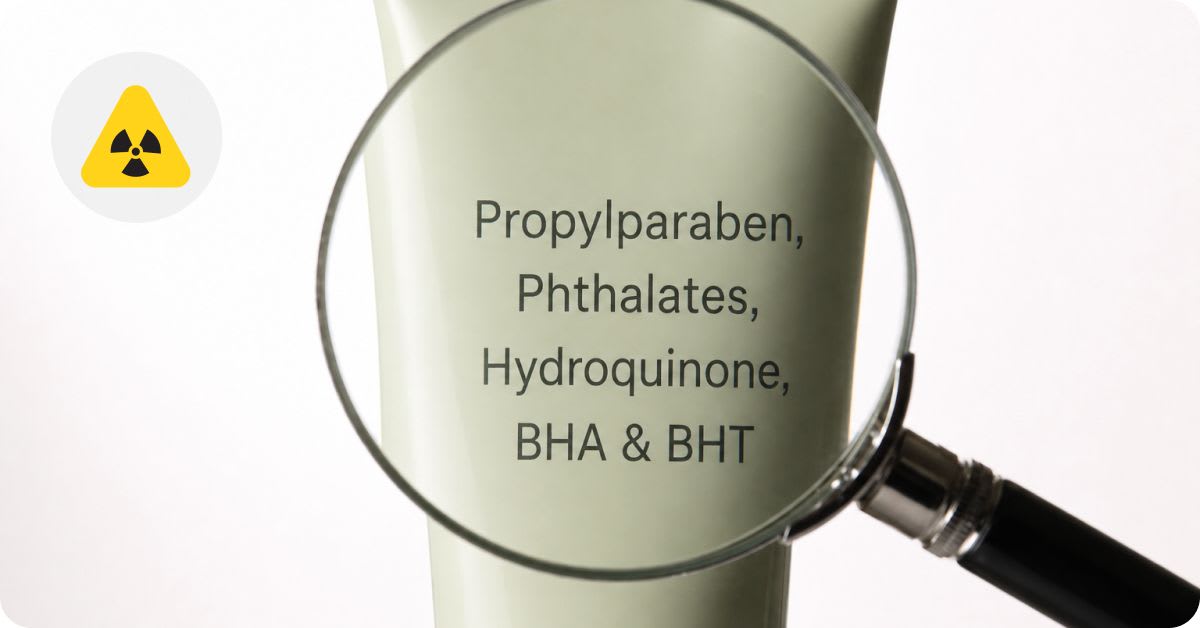
- Parabens
- Sulfates (SLS/SLES)
- Formaldehyde
- Phthalates
- Triclosan
- Hydroquinone
- BHA (Butylated Hydroxyanisole ) & BHT (Butylated Hydroxytoluene)
- DEA (Diethanolamine) and Related Ingredients
- Mineral Oil / Petroleum By-Products
- Fragrance / Parfum
- Phenoxyethanol
- Polyacrylamide
- 1,4-Dioxane
- Coal Tar / Coal Tar Derivatives
- How to Check Your Skincare Products for Toxic Ingredients
- Regulations & Compliance You Should Know
- Safe Alternatives to Toxic Ingredients
- Regulatory Guidance & Safety Standards (FDA, EU comparison)
- References & Resources
- Final Thoughts
15 Toxic Ingredients to Avoid in Skincare Products

Reviewed by Jennifer Gordon
Board Certified Dermatologist
Skincare labels matter. A lot.
Research in PubMed on evaluating personal skincare use by Environmental Group hazard scores shows that cosmetic products can contain a wide range of preservatives, fragrances, dyes, and even trace dangerous heavy metals (1). Some of them include substances linked to skin irritation, allergic reactions, and long-term health risks.
So, reading labels isn’t about understanding the complex science - it’s about making safer choices for your skin.
This guide can help you unravel 15 toxic ingredients to avoid in skincare products, and how to make smarter, safer choices for your routine.
TL;DR: Skincare Safety 2026
- The Toxic 15: A guide to potential high-risk toxins (Parabens, Phthalates, and others) linked to health issues.
- Fragrance Loophole: How "Parfum" hides hundreds of secret, undisclosed chemicals.
- MoCRA and Regulation: New 2026 standards shifting industry transparency.
- Label Literacy: Why "Clean" is often marketing hype and how to use EWG tools to verify.
- Safe Swaps: Suggested plant-based alternatives to replace toxic synthetics.
Why Ingredient Safety Matters
The skin is your largest organ, and it does a great job protecting you, but it can still absorb certain substances, especially with consistent, everyday use.
Groups like the Food and Drug Administration, World Health Organization, and Environmental Working Group have all weighed in on ingredient safety. They classify substances based on
- Toxicology studies
- Clinical trials
- Long-term exposure data
While not every controversial ingredient is banned, many of them are flagged for potential risks such as hormone disruption, skin irritation, or long-term health concerns.

Who Should Be Extra Cautious?
Children and Infants
Their skin is thinner and more permeable, making them susceptible to ingredient absorption.
Pregnant Women
Some chemicals can affect hormonal balance or fetal development, so being mindful of what you use is especially important.
Sensitive Skin Users
If your skin reacts easily, even small amounts of irritants or allergens can cause redness, dryness, or inflammation.
Immunocompromised or Geriatric Individuals
Individuals with weakened immune systems or older adults may have reduced skin resilience and slower healing. This makes them more vulnerable to irritation, infections, or adverse reactions from certain ingredients.
Caring about ingredient safety has nothing to do with fear; it’s about making informed choices.
How Skincare Ingredients Are Classified as Toxic?
So, what actually makes an ingredient toxic? Regulatory bodies such as the Food and Drug Administration (FDA) and the European Chemicals Agency (ECHA) evaluate ingredients by using a whole range of scientific data, including:
- Toxicology studies: testing how chemicals affect cells and organs
- Clinical trials: monitoring how humans respond to ingredients under controlled conditions
- Long-term exposure research: tracking the impact of repeated use on overall health over time
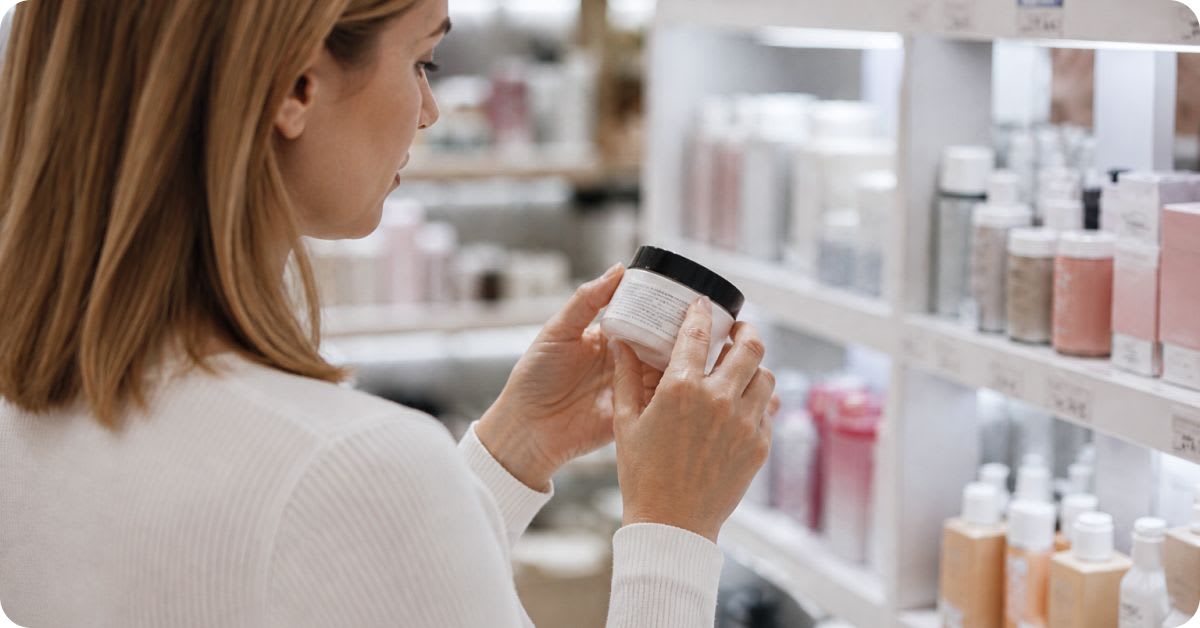
Certain ingredients can be highlighted or restricted for risks, such as:
- Cancer risk: potential to cause cancer
- Hormone disruption: interfering with your body’s endocrine system
- Allergic reactions: causing redness, irritation, dryness, or temporary puffiness
- Environmental impact: affecting ecosystems when they are washed down the drain.
It’s worth adding: an ingredient is not automatically “toxic” in every dose or form. Yet, as you use multiple products daily, it can increase general exposure and potential risk. Being informed helps you pick the right products safe for both your skin and health.
The 15 Potentially Toxic Ingredients to Avoid
Before stocking your skincare shelf, it’s good to know which ingredients to watch out for. Check the 15 commonly flagged toxins you will want to avoid.
Parabens
Parabens are preservatives that keep cosmetics and skincare products from growing mold or bacteria. Look for names like
- Butylparaben
- Propylparaben
- Isobutylparaben
- Ethylparaben
- Isopropylparaben
- Methylparaben
Why is it concerning?
They can act like the estrogen hormone in the body, raising concerns about hormone disruption and risks or potential long-term imbalances.
Parabens may also increase other concerns and conditions, such as cancer and weight-related issues (2).
Sulfates (SLS/SLES)
Sodium lauryl sulfate (SLS) and sodium laureth sulfate (SLES) are the ingredients that give your cleanser or shampoo that satisfying lather.
Why is it concerning?
Despite making your skin squeaky clean, sulfates can strip away natural oils, leading to
- Redness and irritation
- Dryness and tightness
- Flare-ups of existing skin inflammatory conditions
- As always, the potential for allergens exists,
especially in people with sensitive skin.
Formaldehyde
Formaldehyde is a preservative and disinfectant sometimes used in cosmetics, but can usually be listed as a formaldehyde-releasing agent, which doesn’t even sound like the original chemical.
Why is it concerning?
Formaldehyde is classified by the International Agency for Research on Cancer (IARC) as a Group 1 human carcinogen, which is why the FDA regulates how much can be used in cosmetics. The Food and Drug Administration also offered to ban formaldehyde from straightening and smoothing products (3). Long-term exposure, even at low levels, may increase health concerns such as:
- Watery eyes
- Nausea
- Wheezing
- Coughing
- Dizziness
- Skin irritation
Phthalates
Phthalates are chemicals often used to make plastics flexible, but in cosmetics, they appear as solvents (help dissolve and blend other ingredients) or fragrance stabilizers (make scents last longer).
Common types include DEP (diethyl phthalate), DBP (dibutyl phthalate), and DEHP (diethylhexyl phthalate).
Why is it concerning?
Phthalates have been linked to hormone disruption, which means they can interfere with your body’s endocrine system. A study also showed that phthalates can negatively impact reproductive health (4). They may also cause skin irritation and respiratory issues in some people.
Label tip:
Phthalates aren’t always clearly listed but can hide under terms like “fragrance” or “parfum,” so reading labels closely matters.
Triclosan
Triclosan is an antibacterial chemical that was once common in soaps, cleansers, and toothpaste.
Why is it concerning?
Once popular for its antibacterial properties, it's now linked to hormone disruption and concerns around antibiotic resistance. Plus, research shows that soap with triclosan is not less effective than regular soap or water (5).
Some people also experience skin irritation and dryness when using products with triclosan. Due to risks, the FDA has restricted its use in many over-the-counter antibacterial products, making it one ingredient worth skipping in your routine.
Hydroquinone
Hydroquinone is a skin-lightening chemical commonly used to fade dark spots, hyperpigmentation, and uneven skin tone.
Why it’s concerning:
Over time or in high concentrations, this chemical may irritate your skin, making it more sensitive to sun rays. It can also lead to permanent discoloration. According to the FDA, over-the-counter skin lightening products with hydroquinone aren’t approved for sale, but you can get stronger formulas with a prescription from your healthcare provider (6).
BHA (Butylated Hydroxyanisole ) & BHT (Butylated Hydroxytoluene)
BHA and BHT are preservatives that keep cosmetics and skincare from spoiling.
Why they’re concerning:
A recent study looked at how common preservatives like BHA and BHT might affect the liver, kidneys, and nervous system. Lab research shows that these common preservatives might affect them at the molecular level. While everyday exposure is usually low, using these products in larger amounts could add up (7).
The FDA classifies them as safe at low concentrations. But they recommend keeping exposure low because high doses or long-term use could trigger health risks.
DEA (Diethanolamine) and Related Ingredients
DEA is a chemical compound found in shampoos, soaps, and other personal care products to make formulas lather and blend smoothly. Its related compounds could be TEA (triethanolamine) and MEA (monoethanolamine) - chemicals that also work in products like shampoos, cleansers, and lotions.
Why are they concerning?
DEA and related ingredients could irritate sensitive skin. Beyond skin and eye irritation, other health concerns may appear:
- Cancer risk
- Affected liver and kidneys, according to the recent study (8).
Regulatory limits:
The FDA monitors DEA levels in cosmetics, but does not ban diethanolamine in cosmetics. Yet, it is based on older research. The page hasn’t been updated with new human data since.
Due to animal studies suggesting a possible link between DEA and cancer, some manufacturers decided to reduce or eliminate its use, and certain regions (such as the EU and Canada) apply stricter regulations to limit exposure. However, current evidence does not confirm that DEA in shampoos or lotions poses a cancer risk to humans under normal use conditions.
Mineral Oil / Petroleum By-Products
Both mineral oil and petroleum by-products are largely occlusive. This means they sit on the skin’s surface to lock in moisture rather than fully absorbing.
This is good for hydration, but it can trap sweat, dirt, and bacteria, which may irritate sensitive or acne-prone skin.
Why are they concerning?
Petroleum by-products can sometimes have impurities called PAHs, which might irritate the skin or cause health concerns if they’re not properly refined.
Limitations make sense for both mineral oil and petroleum by-products, which trap oil and dirt, clogging pores and causing irritation.
Some people prefer lighter, plant-based oils, which easily absorb and nourish the skin. Purified mineral oil may be generally safe, but some choose to limit it for sensitive skin, acne, or environmental reasons.
Fragrance / Parfum
Fragrances, often labeled as “fragrance” or “parfum,” can make your skincare smell amazing, but simultaneously, they’re among the top triggers for skin reactions.
Why are they concerning?
While not usually “toxic,” some fragrance ingredients act as allergens or sensitizers - even if your skin was fine before, repeated exposure to fragrances can spark redness, itching, or hives. People with sensitive skin or eczema are at a particular risk.
The EWG (Environmental Working Group) usually gives generic ‘fragrance’ in products a high hazard rating, typically 7 to 10 out of 10, mainly due to potential irritation, allergic reactions, or lack of transparency in ingredient disclosure. They offer licensing criteria for personal care products.
Skip scented products if your skin’s sensitive; instead, opt for natural fragrance-free or hypoallergenic formulas, and patch-test anything new before going all in.
Phenoxyethanol
Phenoxyethanol is a widely used preservative chemical that keeps skincare and cosmetics free from bacteria and mold. For most adults, it’s considered safe at low levels (up to 1%).
Why is it concerning?
It can still pose certain risks for adults and infants.
For adults:
- Can irritate skin, eyes, or cause redness in sensitive people.
- Rarely, it may trigger allergic reactions like itching or rashes.
For babies/infants:
- Can be toxic if absorbed in large amounts, especially in babies under 3 months.
- May affect respiratory or skin health in very young infants.
The FDA warns that products with phenoxyethanol, for example, like some nipple creams, shouldn’t be used on babies. If babies ingest it, phenoxyethanol can cause vomiting, diarrhea, and even affect the baby’s nervous system.
Extra tip: Try to patch-test new products and skip phenoxyethanol in baby skincare whenever possible.

Polyacrylamide
Polyacrylamides are synthetic cosmetic polymers that make your creams and gels silky, smooth, and easy to spread. They’re generally safe on the skin, being non-irritating, mostly just giving your creams and gels that silky, smooth feel.
Why is it still concerning?
The real concern is contaminants. During manufacturing, tiny amounts of acrylamide can sneak in. In large amounts, it’s considered a potential carcinogen and can also affect the nervous system.
The good news, though, cosmetic products contain only trace amounts, so the risk of topical use is quite low. Still, you should stick with trusted brands and rinse off treatments to minimize any exposure.
Siloxanes (Cyclomethicone, D4/D5)
Siloxanes like cyclomethicone, D4, and D5 give lotions and serums that silky, spreadable feel we love. Yet, recently, they’ve raised some concerns.
Why are they concerning?
- Endocrine disruptors: Different lab studies showed that some siloxanes, particularly D4 and D5, have hormone-disrupting effects, though everyday skincare use is unlikely to pose a real risk.
- Skin concerns: Being generally non-irritating, siloxanes can still trap oils and sweat on the skin for some users. This can trigger worsening breakouts in acne-prone skin.
- Environmental impact: The following compounds don’t break down easily and accumulate in waterways, harming wildlife.
1,4-Dioxane
1,4-Dioxane is a sneaky contaminant that can show up in shampoos, body washes, and other personal care products. It’s not added intentionally; it’s formed as a by-product during the process of turning certain ingredients, like sulfates, into foaming agents.
Why is it concerning?
1,4-Dioxane is considered a possible carcinogen, meaning it could increase the risk of cancer with long-term exposure. It can also
- Irritate the skin, eyes, and respiratory system in higher amounts.
- Lead to liver and kidney toxicity (9).
While most cosmetic exposure is low, minimizing contact is still a smart move. The FDA monitors 1,4-dioxane in shampoos, body washes, and other products for unsafe levels.
It doesn’t ban it outright; the agency still encourages manufacturers to minimize contamination during production. They also test products and sometimes issue warnings if levels spike.
Coal Tar / Coal Tar Derivatives
Coal tar and its derivatives are used in some shampoos, soaps, and acne or dandruff treatments for their anti-itch and anti-inflammatory properties. There is one catch, though: they’re also classified as carcinogens in high or repeated exposures.
Why is it concerning?
FDA warns that long-term use of this chemical, particularly over large skin areas or frequent application, may increase the risk of cancer. Which is why such products should be used carefully and exactly as directed.
Moreover, they irritate sensitive skin in some people. Note that the FDA doesn’t ban coal tar directly, but requires warnings and instructions on products like hair dyes. Coal tar may work for skin and scalp issues, but it should be used carefully (10).
High-quality products benefit your skin, but they’re the only part of the equation. Your overall well-being and lifestyle are just as important. Discover the connection between your lymphatic system and your skin at the Epica Beauty guide.
How to Check Your Skincare Products for Toxic Ingredients
Ready to detox your top shelf? Checking your skincare for "no-go" ingredients is the ultimate act of self-care. Here is how to decode your labels like a pro:
- Use the “top five” rule: Reading the labels may be simpler than it seems. Ingredients are listed by weight. The first five ingredients usually make up about 80% of the bottle. If you see "Fragrance" or "Parabens" at the top, it’s a red flag to watch for. If they’re at the very bottom, the concentration is much lower.
- Use your digital toolkit: Instead of playing the guessing game, use the special expert resources:
- EWG Skin Deep: It’s a database that rates products from 1 (low hazard) to 10 (high). Look for the "EWG VERIFIED" seal if you’re aiming for the highest safety standard.
- SafeCosmetics.org: This organization is managed by the Campaign for Safe Cosmetics. The site provides "Red Lists" of chemicals linked to cancer and reproductive harm.
- Scanning Apps: Go for the EWG Healthy Living or Think Dirty apps to scan barcodes for instant safety ratings.
Look beyond primary buzzwords: The thing is, words like “clean”, “eco-friendly,” or “natural” aren’t regulated by the FDA, so treat them as a marketing strategy rather than a guarantee. So, always flip the bottle over and read the actual ingredient list instead of relying on the catchy marketing on the front.
Regulations & Compliance You Should Know
The beauty world is finally getting its regulatory glow-up we’ve been waiting for. If you’re looking to graduate from basic ingredient checking to a professional understanding of what’s happening behind the scenes, here’s the official breakdown of the regulatory climate.
FDA and MoCRA
For decades, U.S. cosmetic laws were frozen in time. But everything changed with MoCRA (The Modernization of Cosmetics Regulation Act). If a product is unsafe, the FDA doesn't have to ask the brand to fix it; they can now require a recall to get it off the shelves immediately. Now brands are legally required to prove that every ingredient they use is safe before it ever touches your skin.
The 2026 "No-Go" List
Here is the regulatory status for the chemicals we’ve discussed in this article:
Banned or Phase-Out (The "Never" List):
- Triclosan & Coal Tar: Mostly banned in the EU and U.S. because they can cause bacterial resistance and cancer.
- Hydroquinone: Restricted to prescription-only in many areas.
- Specific Phthalates and Parabens: High-risk types (like Isopropylparaben) are banned by the EU. The FDA now monitors serious side effects from these.
- Formaldehyde and its Releasers: Starting July 2026, products that release more than 0.001% formaldehyde must have a bold “Releases Formaldehyde” warning on the label.
- 1,4-Dioxane: The FDA now limits this chemical in products with sulfates (like SLS or SLES).
What about scents?
- Fragrance / Parfum: By May 2026, brands must list specific allergens instead of just saying “fragrance.”
Strictly limited:
- Phenoxyethanol, BHA, & BHT: Allowed only in very small amounts (usually ≤1%) to avoid toxicity or hormone effects.
- DEA & Polyacrylamides: Only allowed if they are very pure, to prevent cancer-causing impurities.
Clean check:
- Siloxanes (D4, D5, D6): Banned above 0.1% in rinse-off products starting 2026 (ECHA rules) to protect the environment.
- Mineral Oil / Petroleum: Only highly refined oil is allowed; unrefined petroleum is banned.
Safe Alternatives to Toxic Ingredients
Are you looking for a cleaner vanity this year? Replace your “red flag” chemicals with certified ones and plant-based ingredients.
Ingredient | Product Type | The Risk | The Safe Alternative |
Parabens | Moisturizers, Makeup | Hormone (endocrine) disruption | Lactobacillus Ferment or Radish Root |
Formaldehyde | Nail Polish, Hair Gels | Known carcinogen & allergen | Sodium Levulinate or Organic Acids |
Phthalates | Fragrance, Polish | Reproductive toxicity | Essential Oils or Fruit Extracts |
Triclosan | Hand Soap, Toothpaste | Antibiotic resistance | Tea Tree Oil or Colloidal Silver |
Hydroquinone | Brightening Creams | Skin bleaching & toxicity | Bakuchiol or Vitamin C |
BHA & BHT | Lipsticks, Creams | Possible carcinogens | Vitamin E (Tocopherol) or Rosemary |
DEA / TEA | Bubble Bath, Lotion | Forms cancer-linked nitrates | Lecithin or Coconut-based fatty acids |
Mineral Oil | Balms, Glosses | Clogs pores; no nutrients | Squalane, Jojoba, or Argan Oil |
Fragrance / Parfum | Everything | Hidden allergens & toxins | Phthalate-free or Flower Waters |
Phenoxyethanol | Serums, Creams | Skin & eye irritation | Caprylhydroxamic Acid |
Polyacrylamides | Anti-aging Gels | Contamination with Acrylamide | Xanthan Gum or Guar Gum |
Siloxanes (D4/D5) | Foundations, Hair Care | Environmental "forever" chemical | Bamboo Extract or Coco-Caprylate |
1,4-Dioxane | Body Wash, Suds | Hidden carcinogenic byproduct | Saponified Oils (Castile Soap) |
Coal Tar | Dandruff Shampoo | Linked to cancer & sensitivity | Pine Tar or Salicylic Acid (Willow) |
Regulatory Guidance & Safety Standards (FDA, EU comparison)
The FDA (USA) and ECHA (Europe) are the world’s two biggest beauty regulators. Both want you to be safe, but they do so in different ways.
The FDA
- The U.S. beauty market used to be “buy at your own risk,” but in 2026, the new MoCRA law changed that.
- The FDA can now recall dangerous products.
- Brands must now list the specific chemicals in “Fragrance.”
The ECHA
- If an ingredient seems risky, it’s banned before it hits shelves.
- The 1,500 Rule: The EU has banned over 1,500 ingredients, while the U.S. restricts only about a dozen.
- They added more banned chemicals to their regulatory list.
In short, the FDA keeps products safe from contamination, but the ECHA sets the strictest rules. For the cleanest routine, look for brands that follow EU standards.
Skincare labels matter at any age. To keep your skin glowing through the years, click on the guide on the ideal facial frequency for those 50 and better.
References & Resources
If you’re ready to dig into the real science, these are the 2026 heavy hitters used by industry insiders to stay informed.
- EWG Skin Deep: Think of it as a gold standard for consumers. Their data pool ranks over 100,000 products based on hazard scores.
- SafeCosmetics.org: A comprehensive guide to the latest MoCRA legal updates and chemicals of concern.
- WHO and Peer-Reviewed Studies: For high-level safety information, the WHO (World Health Organization) provides global reports on hormone-affecting chemicals. They are like lead scientists who identify the risks, while legal agencies ( the FDA) write the rules to keep those risks off your bathroom shelf.
- Studies: For raw data, search PubMed for peer-reviewed studies. They offer the actual lab results scientists use to determine safety.
Final tip: don’t just trust a "natural" label. Cross-check your favorites with the EWG app to see the 2026 safety data for yourself.
Final Thoughts
You can see from the article that many common skincare chemicals can be harmful. This guide covered 15 toxic ingredients to avoid in skincare products. They may irritate skin, mess with your hormones, or pose long-term risks.
In the USA, the FDA keeps products safe and can issue recalls, while Europe’s ECHA bans risky ingredients before they hit shelves.
Essential tip at this point: always check labels, watch for vague fragrance, and swap for certified organic or plant-based alternatives.
Want to take a step further and find out what your skin truly needs? Take a personalized quiz on the EpicaBeauty. Your skin will thank you.
Safety Disclaimer
This content is for educational purposes only and is not a substitute for medical advice. If you have persistent acne, sensitive skin, or are unsure which treatments are appropriate for you, consult a board-certified dermatologist before starting new skincare products.
Connect with us


Ready to Find Perfect Style?
TAKE A QUIZ- PubMed. Evaluating personal care product use by Environmental Working Group hazard scores in relation to consumers’ sociodemographic characteristics, purchasing behaviors, and product safety perceptions. February, 2025. https://pmc.ncbi.nlm.nih.gov/articles/PMC12583145/
- Cleveland Clinic. What are parabens?. Cleveland Clinic Health Essentials. November 20, 2024. https://health.clevelandclinic.org/what-are-parabens.
- U.S. Food and Drug Administration. Hair smoothing products that release formaldehyde when heated. 2023. https://www.fda.gov/cosmetics/cosmetic-products/hair-smoothing-products-release-formaldehyde-when-heated.
- ScienceDirect. Martino-Andrade, A. J., & Costa, S. C. Exposure to phthalates and female reproductive health: A literature review. Reproductive Toxicology, 109, 20-33. April, 2022. https://doi.org/10.1016/j.reprotox.2022.02.006
- World Health Organization. Triclosan: Health and environmental effects. National Center for Biotechnology Information. 2007. https://www.ncbi.nlm.nih.gov/books/NBK73515/.
- U.S. Food and Drug Administration. (2022). Skin product safety: What you need to know about skin lightening products. May 22, 2024. https://www.fda.gov/consumers/skin-facts-what-you-need-know-about-skin-lightening-products/skin-product-safety.
- MDPI. Exploring the Mechanisms of the Antioxidants BHA, BHT, and TBHQ in Hepatotoxicity, Nephrotoxicity, and Neurotoxicity from the Perspective of Network Toxicology. March 21, 2025. https://doi.org/10.3390/foods14071095.
- ScienceDirect. (n.d.). Diethanolamine: Topics in medicine and dentistry. Elsevier. 2024. https://www.sciencedirect.com/topics/medicine-and-dentistry/diethanolamine.
- Centers for Disease Control and Prevention. Agency for Toxic Substances and Disease Registry. (2024). Medical management guidelines for coal tar. October 21, 2014. https://wwwn.cdc.gov/TSP/MMG/MMGDetails.aspx?mmgid=1205&toxid=199
- U.S. Food and Drug Administration. (2024). Prohibited & restricted ingredients in cosmetics. February 25, 2022. https://www.fda.gov/cosmetics/cosmetics-laws-regulations/prohibited-restricted-ingredients-cosmetics.