 Log in
- TL;DR
- What Is Glass Skin?
- Why Is Glass Skin So Popular?
- What Are the Key Characteristics of Glass Skin?
- What Makes Skin Look Like Glass?
- How to Get Glass Skin: Step-by-Step Routine
- How Long Does It Take to Achieve Glass Skin?
- Glass Skin Tips for Different Skin Types
- Can You Achieve Glass Skin Naturally?
- Can Treatments Help You Get Glass Skin?
- Common Mistakes That Prevent Glass Skin
- Glass Skin vs Dewy Skin
What Is Korean Glass Skin?
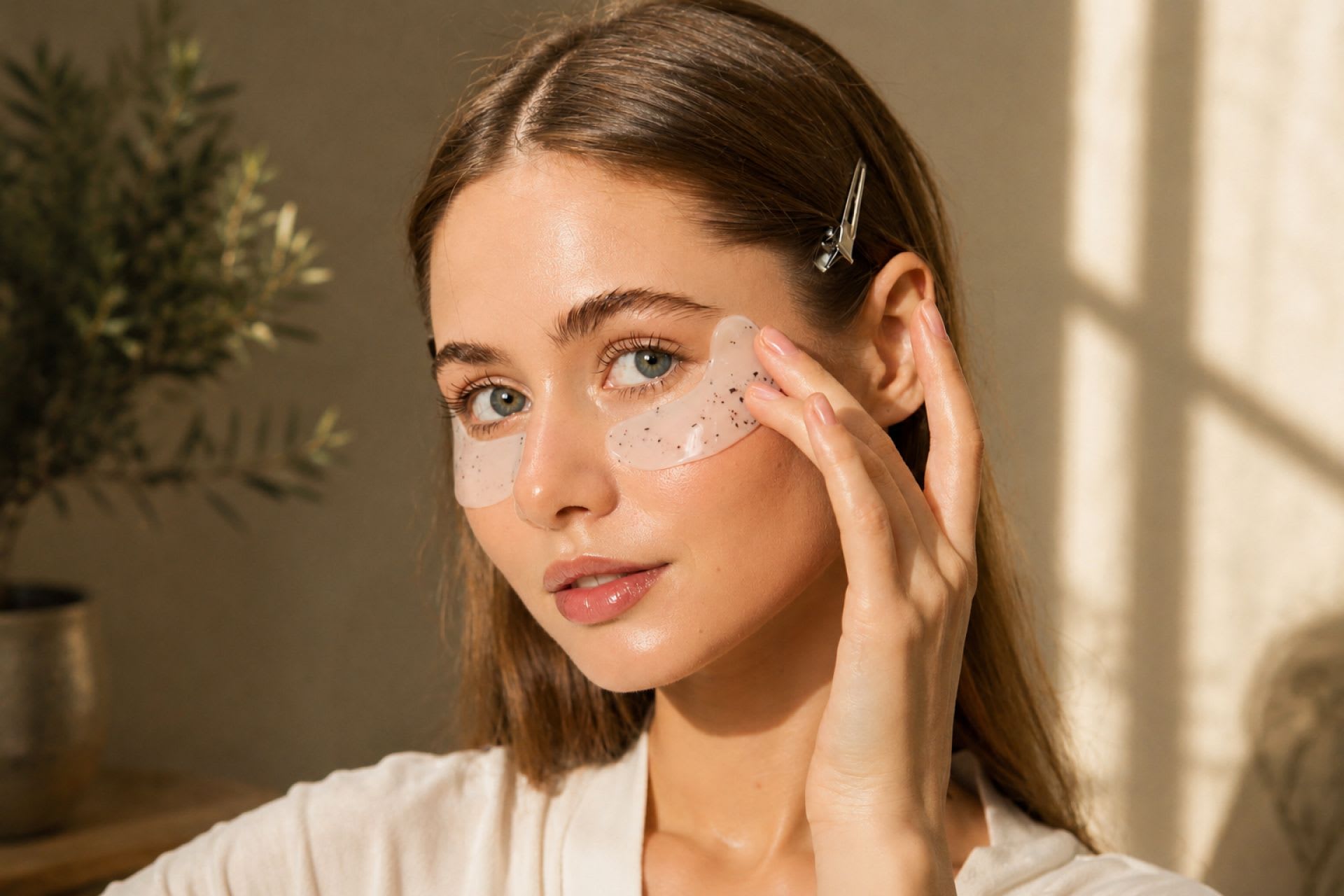
Korean beauty is known for one kind of skin above all — clear and lit from within, luminous even up close and without a trace of makeup. It has a name: glass skin, and the best part is that it is built, not inherited.
It is just what it sounds like: skin smooth and hydrated enough to catch light like glass. A healthy surface returns light evenly; a dry, uneven one scatters it and looks dull. Hydration and a refined surface are the whole secret.
And that secret is skincare, not makeup — an approach now worth billions: in 2025 alone, Korea exported a record $11.4 billion in cosmetics, with skin care making up about three-quarters of it.
Below, we walk through the science, the routine step by step, realistic timelines, tips for every skin type, the in-clinic options, and the mistakes worth avoiding.
TL;DR
- How to get glass skin: double cleanse, exfoliate gently 2–3x a week, layer a hydrating toner and serum, seal with moisturizer, and never skip morning SPF.
- How long it takes: at least one skin-renewal cycle — about 28 days when you are young, 40–60 as skin ages — with visible change over 2–3 months.
- The rule you can't skip: daily SPF — UV is behind roughly 80% of visible facial aging.
What Is Glass Skin?

Glass skin describes a complexion that looks smooth, even in tone, and slightly translucent, as if light sinks into it rather than stopping flat at the surface. The Korean term is 유리 피부 (yuri pibu), which translates directly as "glass skin."
Three measurable conditions have to be present at once:
The first is hydration: a stratum corneum carrying a high level of water.
The second is velvety texture: a surface with no visible flaking, rough patches, or raised congestion.
The third is skin clarity, meaning even tone with no patchy redness, dark marks, or dullness.
Miss any one of the three, and the effect breaks, which is why glass skin is harder to fake than a dewy highlighter or a good base. It is a property of healthy skin, and it sits at the center of modern Korean skincare, where the goal is a strong, well-hydrated barrier rather than heavy makeup coverage.
Why Is Glass Skin So Popular?

The term entered Western beauty around 2017 to 2018, after Alicia Yoon, the founder of the Korean-beauty brand Peach & Lily, brought the phrase "yuri pibu" into English and launched a serum built around the idea.
The concept itself is older inside Korea, where skincare philosophy has long prioritized prevention, daily sun protection, and layered hydration over corrective treatments applied after damage appears.
Two forces pushed it from a niche term to a global standard. The first is the philosophy behind Korean skincare: treat the barrier first, hydrate consistently, and protect from UV every day, so that healthy skin becomes the baseline rather than the goal.
The second is social media. High-resolution front cameras, ring lights, and close-up video reward an even, hydrated surface and punish texture and dryness, because both are far more visible at that scale than they are in person. An idealized, light-reflecting complexion became the on-camera default, and glass skin is the clearest name for it.
What Are the Key Characteristics of Glass Skin?
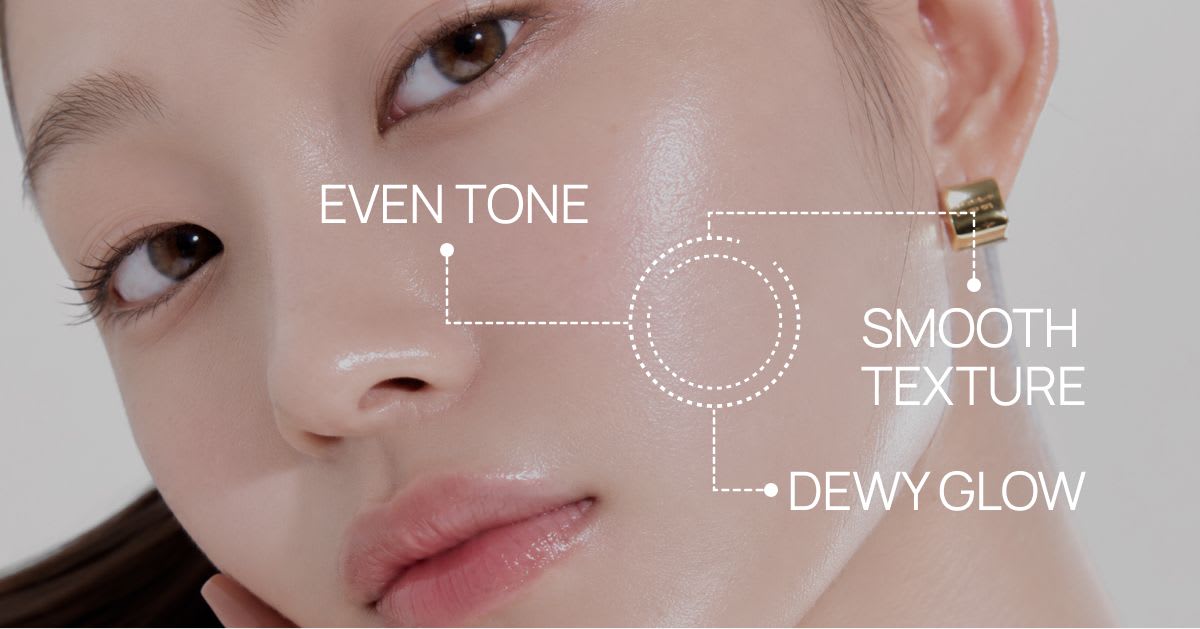
Glass skin is defined by texture, tone, and finish working together. Each one maps to a specific, observable feature of the skin rather than a vague impression.
- Smooth texture. The surface is even under direct light, with no flaking, rough patches, or visible buildup around the nose and chin. Smooth skin is what lets light travel across the surface uninterrupted.
- Even skin tone. Color is consistent across the face, without patchy redness, post-acne marks, or sallow areas. This is the clarity that makes skin read as translucent, because nothing on the surface interrupts the eye.
- A dewy, hydrated finish. Well-hydrated skin reflects light as a soft, continuous sheen rather than dry flatness. This is the glow people associate with glass skin, and it comes directly from water content in the surface layer, not from oil or shimmer.
The expectation of a near-perfect surface comes largely from edited and well-lit images, so it helps to set a realistic target: glass skin is healthy, hydrated, even skin photographed in good light, not a poreless surface that exists in no one.
What Makes Skin Look Like Glass?

The "glass" effect is a question of how the surface bends light, and it is worth understanding because every step in the routine exists to change it.
A smooth, well-hydrated stratum corneum acts like a flat mirror. Light hits it and bounces back in a single, organized direction, which the eye reads as a bright, glassy sheen. This is specular reflection.
When the surface is dry and rough, the same light hits thousands of tiny raised edges and scatters in every direction at once. That is diffuse reflection, and it reads as dull, flat, and matte.
Water content is what moves skin between the two states. Research on skin surface morphology found that as the stratum corneum takes on water, corneocytes swell and flatten, the surface smooths out, and reflection becomes more uniform.
The same work showed the reverse: within a few days of dry conditions, surface roughness rises measurably, and hydration reverses it. Hydration, in other words, is not a feeling. It is the lever that converts a scattering surface into a reflecting one, which is the link between hydration and glow that the whole trend rests on.
You can check where your own surface stands: the EpicaBeauty skin scanner reads hydration and texture from a photo and shows how evenly your skin reflects light right now.
How to Get Glass Skin: Step-by-Step Routine

The routine is a sequence that does two jobs: smooth the surface so it reflects light evenly, and keep the barrier strong so the smoothness holds between washes.
Each step below includes the reason it works and one well-regarded product to anchor it, because the order and the mechanism matter more than any single purchase. A typical glass-skin skincare routine runs in this order, morning and evening, with exfoliation kept to a few times a week.
Step 1: Double Cleansing
Double cleansing means an oil-based cleanser first, then a water-based one. The oil cleanser dissolves what water cannot: sunscreen, makeup, and the skin's own sebum. The water-based cleanser then removes sweat, dirt, and water-soluble residue.
The point is a fully clean surface without stripping, because a cleanser harsh enough to leave skin tight has already damaged the barrier you are trying to build.
Product pick: DHC Deep Cleansing Oil
Olive-oil based and the reference point most other oil cleansers are measured against. It melts sunscreen and long-wear makeup in seconds, then emulsifies into a light milk when you add water and rinses clean with no greasy film.
Rosemary leaf extract and vitamin E keep it gentle enough for daily use, so it lifts grime without the tight, stripped feeling that sabotages a glass-skin routine at step one.
Why you'll love it
- Melts SPF and makeup fast, rinses without residue.
- Olive oil plus vitamin E; gentle on the barrier.
- One bottle lasts months, so the cost per use is low.

Step 2: Exfoliation
Exfoliation removes the layer of dead cells sitting on the surface. That layer is what scatters light and makes skin look dull, so clearing it is the most direct route to a smoother, more reflective surface.
Chemical exfoliation, using acids such as AHAs (glycolic, lactic) or BHA (salicylic), is gentler and more even than physical scrubs, which can create micro-tears. Two to three times a week is enough for most skin. Daily exfoliation is the fastest way to damage the barrier and undo the result, so more is not better here.
Product pick: Paula's Choice Skin Perfecting 2% BHA Liquid Exfoliant
A watery, leave-on liquid with 2% salicylic acid at a low enough pH to actually work. Because salicylic acid is oil-soluble, it clears dead cells from inside the pore as well as on the surface, which is what smooths texture and cuts the look of congestion around the nose.
It goes on weightless with no grit and layers under the rest of the routine, so it does the smoothing job without the micro-tears a scrub leaves behind.
Why you'll love it
- 2% salicylic acid; works inside the pore, not just on top.
- Liquid, fragrance-free, no abrasive particles.
- Targets texture and clarity at the same time.

Step 3: Hydrating Toner or Essence
This is the step that separates Korean skincare from the Western habit it borrowed the word from. Western toners were historically made to re-clean the skin and rebalance pH after harsh alkaline soaps.
Korean toners, often called skins or first essences, do the opposite: they are a first, watery layer of hydration that prepares the skin to absorb everything applied after it, the way a damp sponge soaks up water faster than a dry one. Patting in one or more thin layers raises surface water content immediately, which is the first move toward specular reflection.
Product pick: Missha Time Revolution The First Treatment Essence
The best-known affordable take on the original fermented-essence formula. Both lead with fermented yeast ferment filtrate, the watery active that softens texture and primes the skin to drink in serums, but Missha's version costs a fraction of the SK-II price.
It is a touch lighter and the ferment blend is not identical, so it is a dupe in spirit and price, not a carbon copy. As a first essence it does exactly what the step needs: a thin hydration layer that makes everything after it absorb better.
Why you'll love it:
- Fermented ferment filtrate, watery and fast-absorbing.
- A fraction of the SK-II cost for the same step.
- Preps the skin so serums layer evenly.

Step 4: Serums
Serums deliver concentrated active ingredients into freshly hydrated skin. For glass skin, the targets are water-binding and barrier-supporting ingredients.
Hyaluronic acid is the core humectant, widely cited as holding up to 1,000 times its weight in water; it is one of the most effective ingredients for drawing water into the surface and plumping it. Niacinamide supports the barrier and evens tone over time, and panthenol (vitamin B5) helps the skin hold moisture.
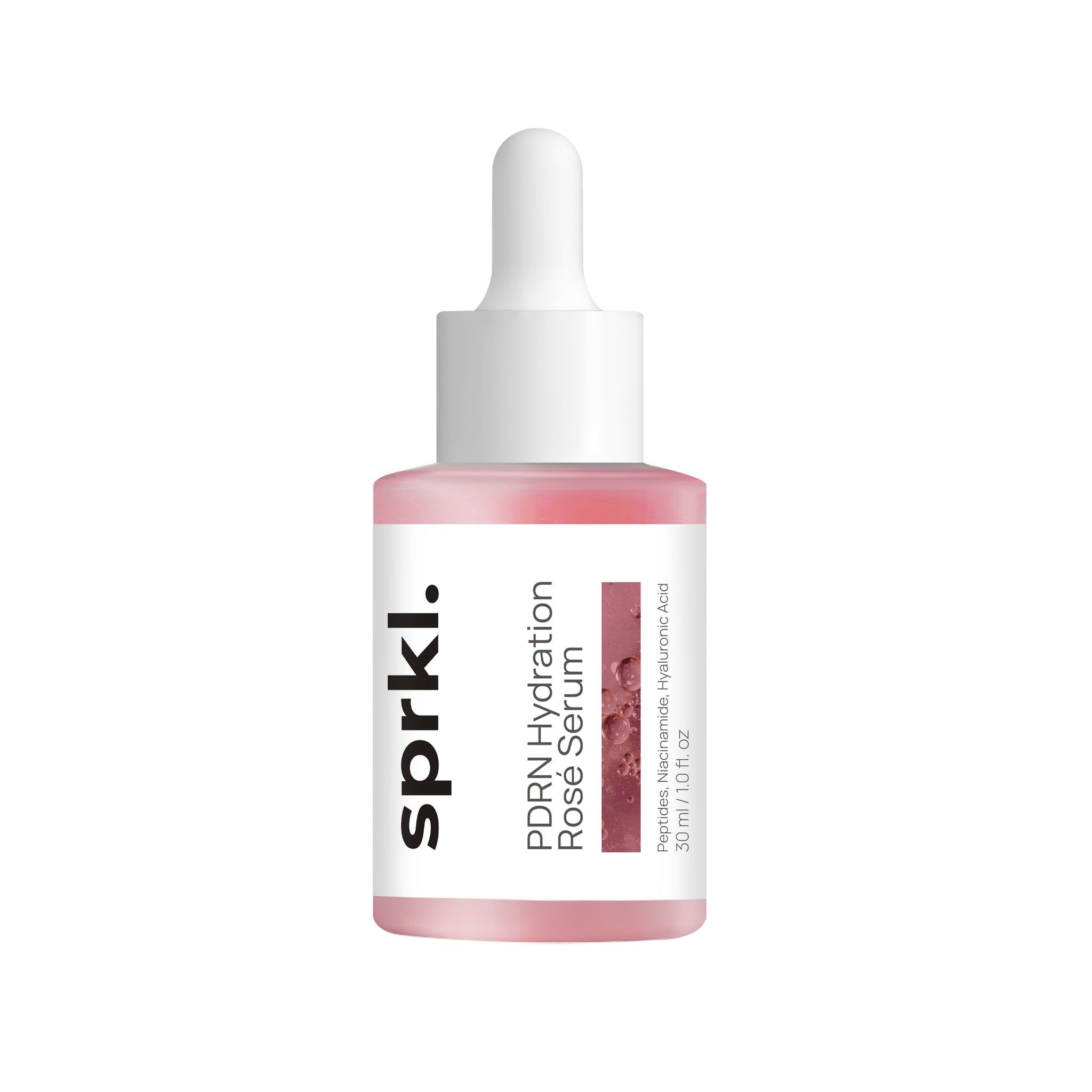
Product pick: PDRN Rosé Hydration Serum
It builds on PDRN, a regenerative ingredient derived from salmon DNA that was first used in medicine for wound healing, paired with sodium hyaluronate, niacinamide, and panthenol (vitamin B5). PDRN works through the adenosine A2A receptor to calm inflammation, support fibroblast activity, and reinforce the barrier.
That combination targets all three glass-skin conditions at once: panthenol and hyaluronic acid pull in and hold water, niacinamide supports sebum balance and even tone over a couple of weeks, and the barrier support keeps the smooth surface stable. It sits after your actives and before moisturizer or SPF, where it buffers the irritation that strong acids, retinol, or vitamin C can leave behind.
Why you'll love it
- PDRN and panthenol deeply hydrate and help rebuild the barrier — aimed at dull, dehydrated, flaky skin.
- Niacinamide supports oil balance and even tone, so the surface looks smoother and less shiny with consistent use.
- Layers after actives as a barrier buffer for retinol, acids, or vitamin C; a once-daily bottle lasts about three months.
Step 5: Moisturizer
Moisturizer seals the water and actives underneath it and reinforces the skin barrier. A healthy barrier slows the rate at which water evaporates from the skin, called transepidermal water loss, so the hydration you layered in actually stays.
This is the link between barrier function and a result that lasts: without it, the smooth surface you built in the morning is rough again by afternoon.
Product pick: Illiyoon Ceramide Ato Concentrate Cream
A ceramide-rich barrier cream that does the sealing job of pricier ceramide creams for far less. It is built around ceramides and panthenol to rebuild the lipid layer that keeps water in, which is exactly what the barrier-and-consistency part of glass skin depends on.
Next to Dr. Jart+ Ceramidin it is lighter and less occlusive, so it suits normal-to-combination skin better than very dry skin, where a richer cream may serve better. Fragrance-light and fast to sink in, it locks the routine without a heavy finish.
Why you'll love it
- Ceramides plus panthenol to rebuild the barrier.
- Lighter and cheaper than Ceramidin; great for combination skin.
- Seals hydration so the smooth surface holds.

Step 6: Sunscreen (SPF)
Sunscreen is the step that protects everything else, and skipping it undoes the rest of the routine. UV exposure accounts for roughly 80% of the visible signs of facial aging, including uneven tone, rough texture, and loss of firmness, according to a 2013 study in Clinical, Cosmetic and Investigational Dermatology. A broad-spectrum SPF 30 blocks about 97% of UVB, and SPF 50 about 98%.
For glass skin, sunscreen is not optional maintenance. It is the difference between a routine that compounds and one that fights damage it keeps re-creating every day. To know when to reapply, the EpicaBeauty UV-index tracker shows the day's exposure for your location, so the final step actually protects everything beneath it.
Product pick: Beauty of Joseon Relief Sun: Rice + Probiotics SPF50+ PA++++
A daily chemical sunscreen that earned its cult status for one reason: SPF50+ PA++++ protection with no white cast. The texture is serum-like rather than thick, so it sinks in and sits invisibly under makeup, which is what makes people actually wear it every day.
Rice extract and niacinamide add light hydration and tone support, so the protection step doubles as part of the hydration and clarity work. As the final morning layer, this is the product that keeps the whole routine from undoing itself.
Why you'll love it
- SPF50+ PA++++ with no white cast in sight.
- Lightweight, serum-like; comfortable for daily wear.
- Rice extract and niacinamide add hydration and tone support.

How Long Does It Take to Achieve Glass Skin?
The honest answer is weeks to a few months, and the reason is biological. Skin renews itself on a cycle: in your twenties, the full turnover takes roughly 28 days; by the forties it slows to about 40 to 45 days, and by the fifties it can stretch to 45 to 60 days or longer.
Surface smoothness and tone improve as that cycle completes, so a realistic first marker is one full turnover, with clearer results over two to three months of consistent use.
Skin type sets the ceiling on how fast and how far the result goes. Oily skin often reaches a reflective, hydrated surface faster, because it already has surface lipids and tends to look dewy. Acne-prone skin takes longer, because active breakouts and post-acne marks interrupt both smoothness and clarity, and those have to settle before the surface reads as even.
Consistency is the real variable: the routine compounds because each turnover cycle builds on a slightly healthier barrier than the last, and a strong barrier is what makes the result stable instead of something that appears for a day and fades.
Before starting, it helps to know your baseline. The EpicaBeauty skin scanner reads your current hydration, texture, and tone from a photo, so you can track whether the routine is moving those three numbers rather than guessing.
Glass Skin Tips for Different Skin Types

The sequence stays the same across skin types; the products and frequency change. Matching them to your skin is what determines the result, so the adjustments below matter more than the specific brands.
- Oily skin. Use lightweight, water-based hydrators and a gel moisturizer. Do not skip moisturizer to fight shine; stripped skin overproduces oil, which works against an even surface. Salicylic acid (BHA) suits this type because it clears oil from inside the pore.
- Dry skin. Layer hydrating toners and add richer moisturizers with ceramides to rebuild the barrier. Lactic acid is a gentler exfoliating choice than glycolic. Dry skin shows roughness fastest, so consistent hydration is the priority.
- Sensitive skin. Cut exfoliation back to once a week or less, avoid fragrance and high-strength acids, and patch-test new products. Panthenol, centella asiatica, and niacinamide support the barrier without provoking reactions.
- Acne-prone skin. Use non-comedogenic formulas and introduce BHA gradually. Treat active acne first, because smoothness and clarity cannot appear over inflamed or congested skin. Avoid heavy occlusive layers that trap sebum.
Can You Achieve Glass Skin Naturally?
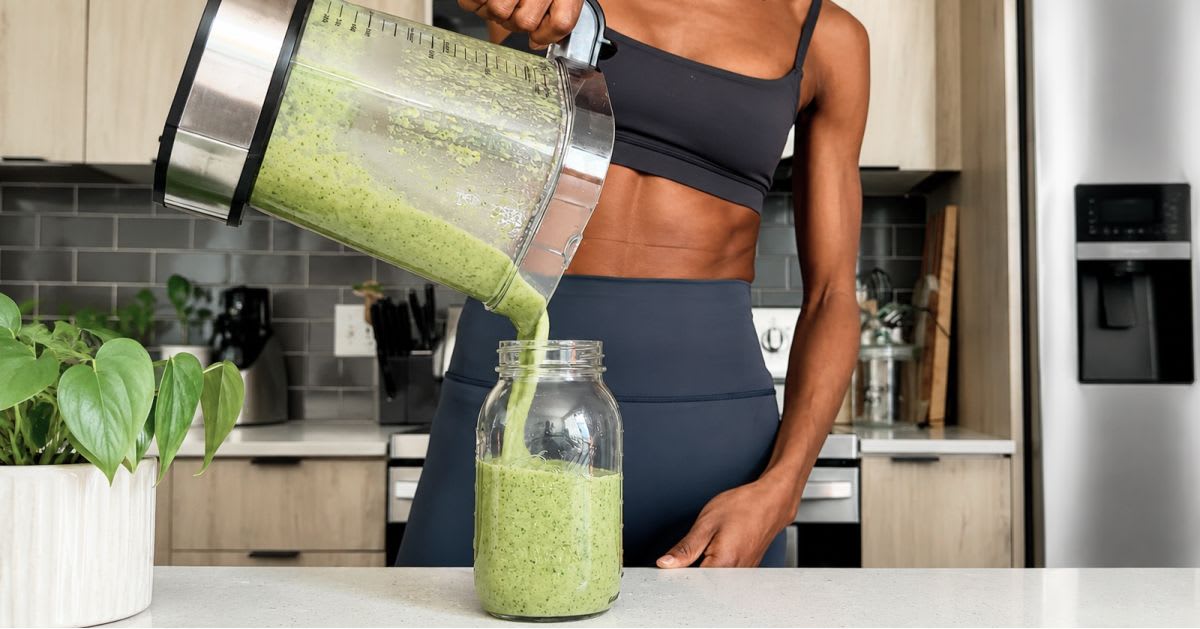
Partly. Habits that support the skin from the inside do move the result: adequate water intake, sleep, and a diet with enough essential fatty acids all support barrier function and surface hydration.
Some people improve texture and tone meaningfully with a consistent, minimal routine and no clinical treatments at all.
The limits are worth stating plainly. Pore size is largely genetic, so a truly poreless surface is not a realistic natural target for everyone. Sun protection cannot be replaced by diet or hydration: without daily SPF, UV damage continues to drive the uneven tone and rough texture that glass skin is defined against.
Natural skincare can build genuinely healthy, hydrated, even skin, which is the real version of the look. It cannot rewrite genetics or substitute for sun protection.
Can Treatments Help You Get Glass Skin?

Yes, and their role is to accelerate or deepen what a good routine does, not to replace it. In-clinic treatments work faster than topical products because they reach below the surface, but the routine is what maintains the result afterward.
- Facials (including hydrating and "glass skin" facials) deliver intensive hydration and gentle exfoliation in one session, with a short-lived smoothing effect that suits an event more than a permanent change.
- Chemical peels remove dead surface cells more aggressively than at-home acids, which can even out tone and texture over a series of sessions. Strength and downtime vary widely, so these belong with a professional.
- Lasers and energy devices target deeper pigment, texture, and firmness, and offer the most lasting change for clarity, with the most cost and recovery time.
A treatment without daily sun protection and barrier care afterward will not hold, which is why dermatologists pair them with a home routine rather than offering them as a standalone fix.
Common Mistakes That Prevent Glass Skin

Most failed attempts trace back to a damaged barrier, and the same few habits cause it. Over-exfoliation is the most common: using acids daily, or stacking a scrub on top of a chemical exfoliant, strips the barrier and leaves skin rough, red, and reactive, which is the opposite of the smooth surface you want.
Skipping sunscreen is the second, because it quietly undoes every other step. Stacking too many active ingredients at once, layering several acids, retinoids, and vitamin C together, overwhelms the skin and triggers irritation that shows up as redness and flaking.
A subtler mistake is using harsh or irritating ingredients without realizing it, which keeps the barrier in a low-level state of inflammation that no amount of hydration can override. Knowing what to avoid is half the work; we break down the specific compounds worth checking your labels for in 15 Toxic Ingredients to Avoid in Skincare Products.
Build the barrier, protect it daily, and add actives slowly, and the surface has the stability it needs to stay smooth.
Glass Skin vs Dewy Skin

The two are related but not the same, and the difference is where the finish comes from.
Dewy skin is a finish: a luminous, slightly wet-looking sheen that can be created in minutes with a hydrating product, a facial oil, or a highlighting makeup base. It describes how the surface looks right now.
Glass skin is a condition of the skin itself: smooth texture, even tone, and high hydration that reflect light evenly without help from makeup. Dewy is a moment; glass skin is a baseline.
Put simply, you can apply dewy skin, but you have to build glass skin, and a barrier strong enough to hold hydration is what carries it from one day to the next.
Safety Disclaimer
This content is for educational purposes only and is not a substitute for medical advice. If you have persistent acne, sensitive skin, or are unsure which treatments are appropriate for you, consult a board-certified dermatologist before starting new skincare products.
Connect with us


Ready to Find Perfect Style?
TAKE A QUIZ- The Korea Herald. K-beauty Exports Cross $11b Milestone in 2025. January 11, 2026. https://www.koreaherald.com/article/10652928. Accessed June 4, 2026.
- Korea.net. South Korea Cosmetics Exports Reach US$10.2B in 2024. 2024. https://www.korea.net/. Accessed June 4, 2026.
- Clinical, Cosmetic and Investigational Dermatology. Effect of the Sun on Visible Clinical Signs of Aging in Caucasian Skin (Flament et al.). September 27, 2013. https://pmc.ncbi.nlm.nih.gov/articles/PMC3790843/. Accessed June 4, 2026.
- American Academy of Dermatology. Sunscreen FAQs (SPF and UVB Protection). February 11, 2025. https://www.aad.org/media/stats-sunscreen. Accessed June 4, 2026.
- Archives of Dermatological Research. Water Content and Thickness of the Stratum Corneum Contribute to Skin Surface Morphology. 2021. https://link.springer.com/journal/403. Accessed June 4, 2026.
- Harvard Health Publishing. The Hype on Hyaluronic Acid (Water-Binding Capacity). January 23, 2023. https://www.health.harvard.edu/blog/the-hype-on-hyaluronic-acid-2020012318653. Accessed June 4, 2026.
- Marine Drugs. Applications of Marine Organism-Derived Polydeoxyribonucleotide (PDRN, A2A Receptor). 2021. https://www.mdpi.com/journal/marinedrugs. Accessed June 4, 2026.