 Log in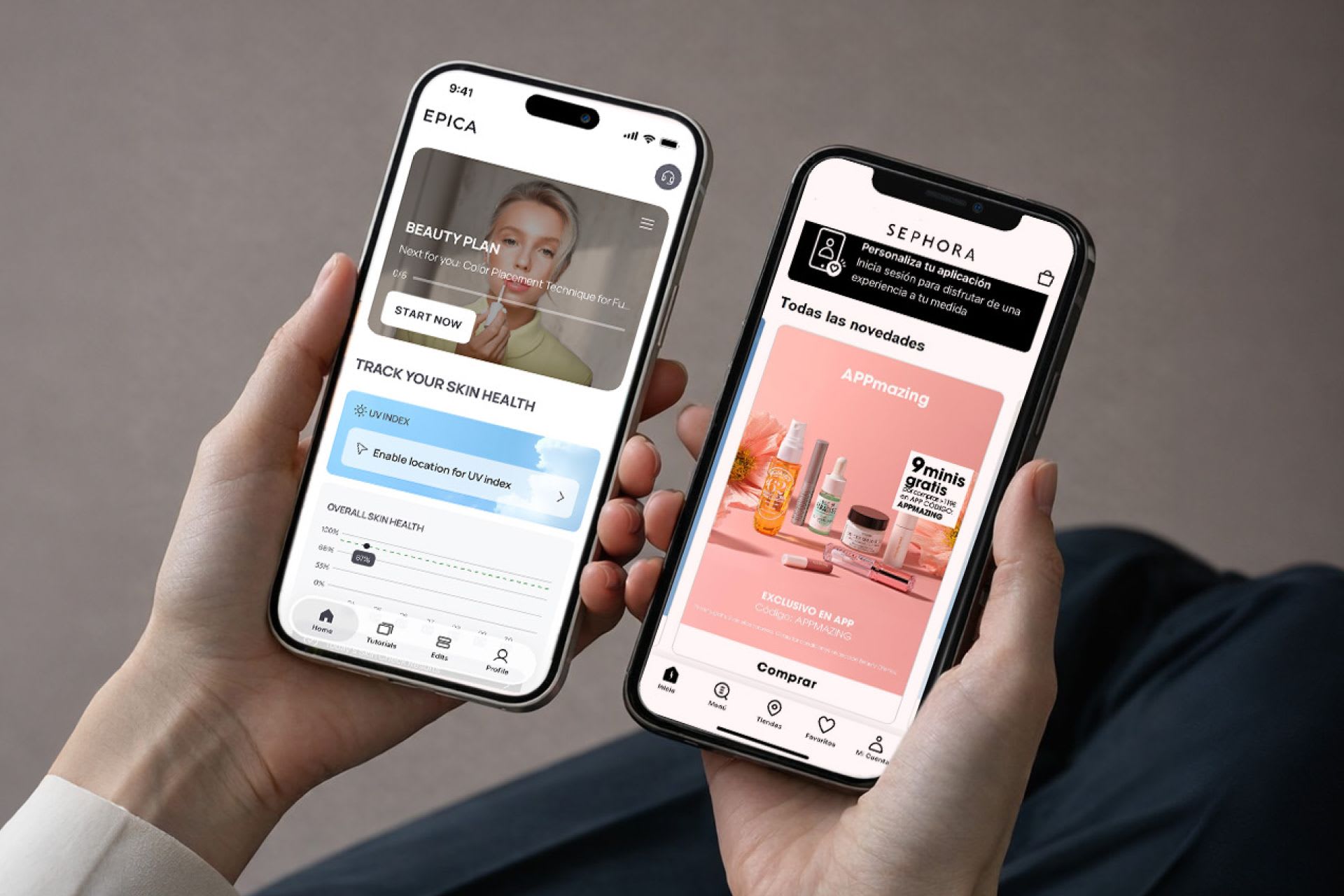
Epica Beauty vs. Other Makeup Apps: An Honest Comparison
For years, beauty apps felt like digital toys — fun for a few minutes but not exactly useful outside of an Instagram story. But lately, the industry has moved past that point.
The global Next-Generation Personalized Beauty market is projected to reach $55.98 billion by 2026, growing at over 15% annually, according to The Business Research Company. AR filters that overlay lipstick on your selfie aren't the standard anymore. People expect tools that read their face and give them something actionable.
In this comparison, I'm looking at five apps that have moved past the entertainment layer: what they do, where they're strong, and where they fall short. Each one is built for a different use case, and the right choice depends on what you're trying to solve.
1/5 EpicaBeauty ⭐️
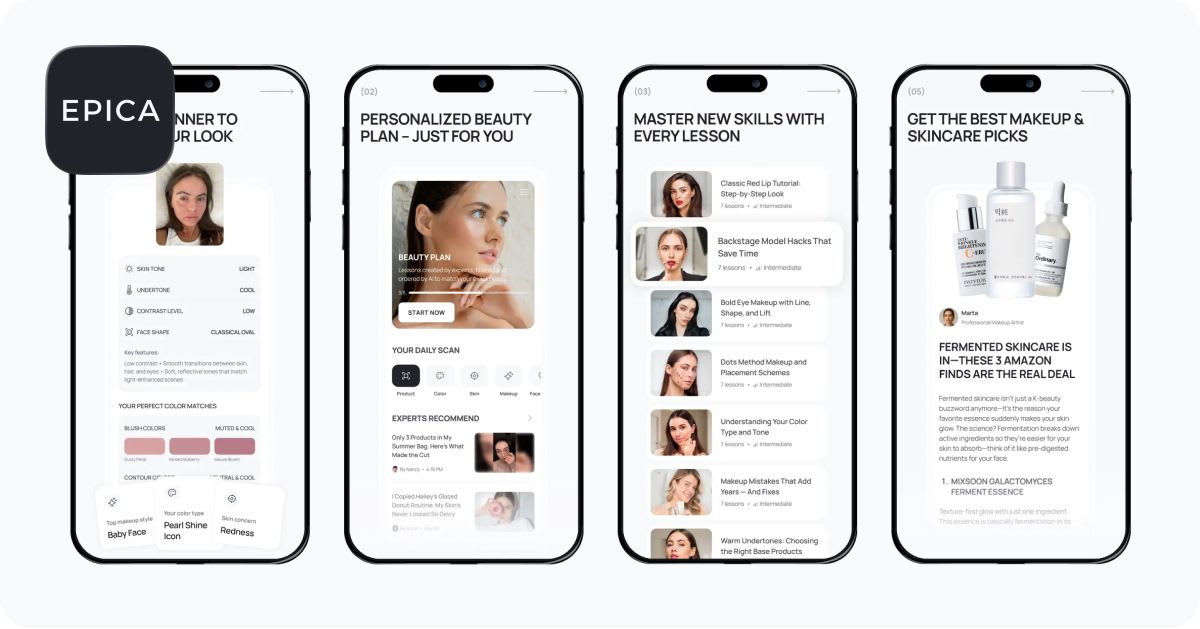
EpicaBeauty is a daily guide for skincare and makeup that builds a personalized plan around your data. The app opens with a quiz about your goals, skin concerns, and experience level, followed by a face scan.
From that scan, it identifies your beauty archetype — a profile based on your coloring and contrast — and uses it to filter every recommendation, lesson, and product suggestion that follows.
What it does
- Color Scanner — identifies your undertone and builds a color palette around it. Undertone determines which shades complement your coloring and which ones read off — foundation, blush, lip color. The scanner also shows a visual moodboard and highlights celebrities who share your beauty archetype.
- Face Shape Analysis — identifies your bone structure and filters lesson recommendations based on it. The same contouring placement that lifts one face structure can flatten another. Knowing yours means every technique you learn was designed for your specific geometry.
- Daily Skin State Tracker — reads hydration, texture, visible concerns, and aging signs regularly. Add a retinol, track it for four weeks, and you can see whether your skin is responding before you commit to making it a permanent part of your routine.
- Makeup Analysis — generates style suggestions based on your scan data. Useful if you want to move past the looks you default to but don't know which direction suits your coloring and structure.
- UV Index — tells you when SPF is critical based on your location and today's conditions. UV exposure drives up to 80% of visible skin aging, and the damage accumulates long before it shows up on your face.
Epica Personalized Beauty Plan — pulls all scan data into one structured plan: lessons, products, and techniques matched to your archetype, skill level, and goals. Every lesson is produced by professional makeup artists with experience across different face shapes and skin tones.
What sets it apart
EpicaBeauty is the only app in this comparison that combines color analysis, face shape detection, and skin tracking under one profile — and updates that profile every four to eight weeks.
What I find genuinely useful about this is that most beauty guidance becomes inaccurate over time. Your skin in summer is different from your skin in winter. The rescan cycle is the app's answer to that, and it's the right one.
The lesson library being filtered by your profile rather than listed for everyone is also worth noting. Someone who just identified their face shape doesn't have to scroll through content built for a different structure — the app has already done that work.
Who It's For
EpicaBeauty is designed for individuals of all ages, skin types, and experience levels. What matters is where you are right now:
- You've been doing the same routine for years, and suspect parts of it aren't working for your face specifically.
- Something has changed — your skin or your coloring — and you want to update both your skincare and your makeup approach to match where you are now.
- Your skin and routine are in a good place, and you want guidance that updates as things change rather than a result that goes stale.
The profile compounds over time. One scan is a starting point.
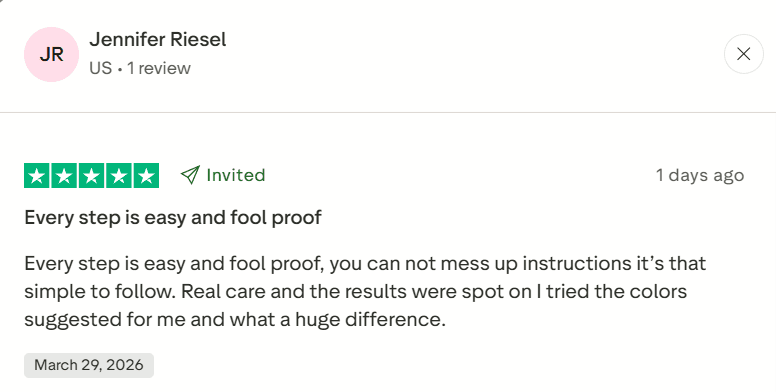
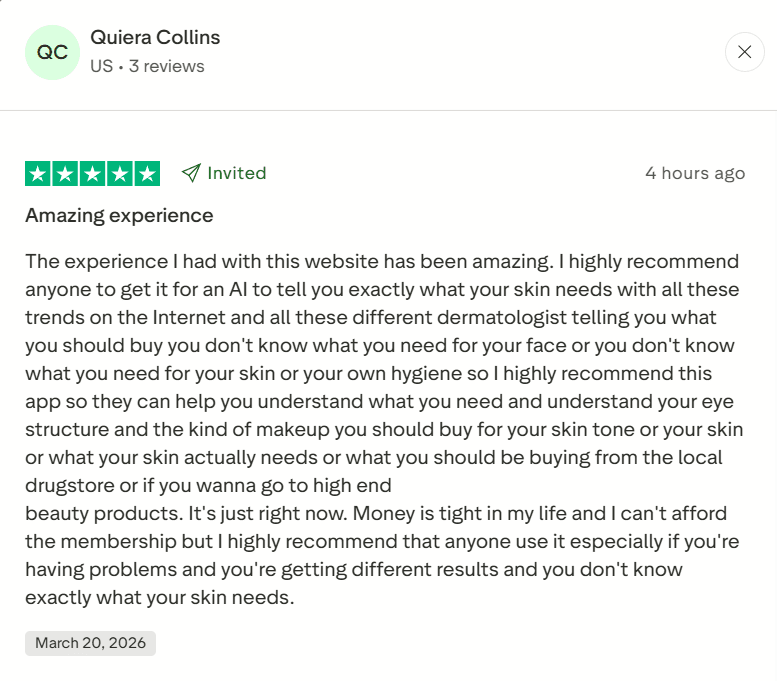
What Users Say
2/5 Sephora
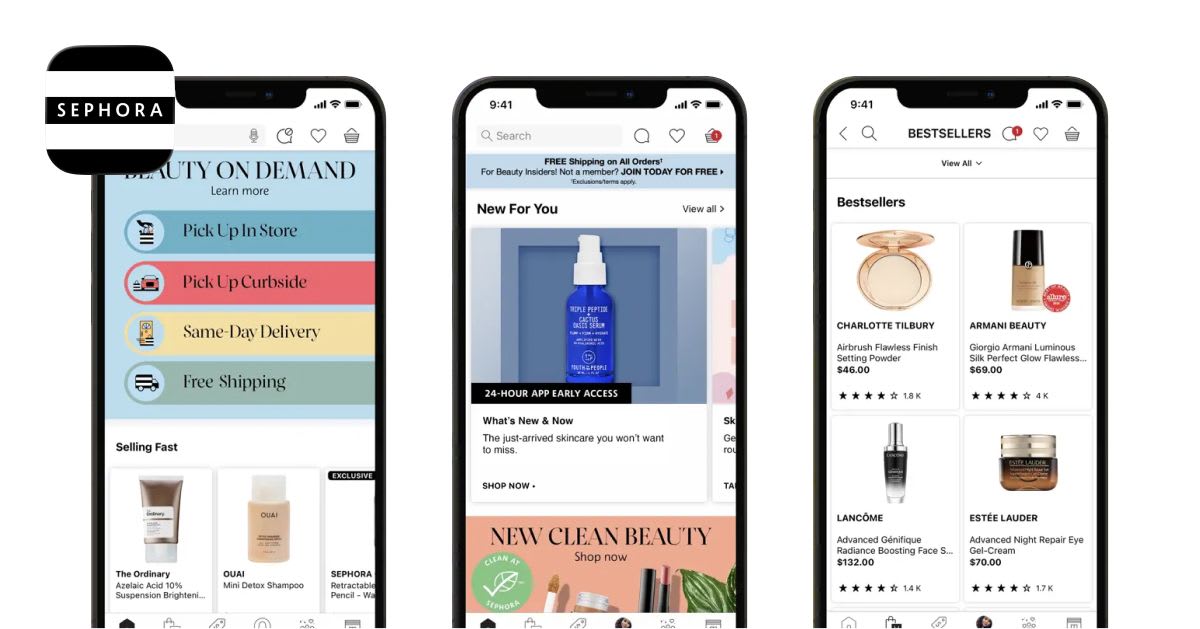
Sephora is primarily a shopping app with powerful try-on and shade-matching tools built in. The Virtual Artist feature — developed with ModiFace — lets you try on lipsticks, eyeshadows, blushes, foundations, and false lashes in real time using your phone camera. The AI analyzes facial geometry and adjusts for skin tone and ambient lighting to make results look realistic.
What It Does
- Virtual Artist — real-time AR try-on across thousands of products from Sephora's catalog. You can test individual shades or full looks created by Sephora's own artists. Over 200 million shades have been tried on through the feature BrandXR — that scale reflects how central it's become to how people shop for makeup online.
- Color IQ — launched in 2012 in partnership with Pantone, Color IQ scans your skin to generate a unique color code matched to foundation and concealer shades. Later updates added undertone, depth, and saturation to the analysis. Sephora stores have generated 14 million Color IQ matches since launch. You get your code in-store, and it syncs to your app profile, so every search is filtered to your specific coloring.
- Smart Skin Scan — a skin analysis tool that identifies key concerns and generates customized skincare recommendations, available both in-app and on Sephora's website.
- Color Match — point your camera at any photo, and the app identifies the closest matching shade available at Sephora across lip, eye, and cheek categories.
What Sets It Apart
There are over 14,000 products from 200 brands in the catalog, all try-on-able before purchase and linked directly to checkout. That breadth of real inventory connected to a purchase flow is what makes Sephora uniquely useful for shopping decisions. The Color IQ system also has a track record that newer tools don't — over a decade of refinement built on Pantone's color science.
I'll say this honestly: the purchase flow from try-on to checkout is so frictionless that overspending becomes genuinely easy.
Who It's For
People who are actively shopping — comparing shades, deciding between products, wanting to see something on their face before committing. Sephora doesn't teach technique, build a routine around your face structure, or track your skin over time. It's a discovery and purchase tool, and a very good one at that.
What Users Say


3/5 Lóvi
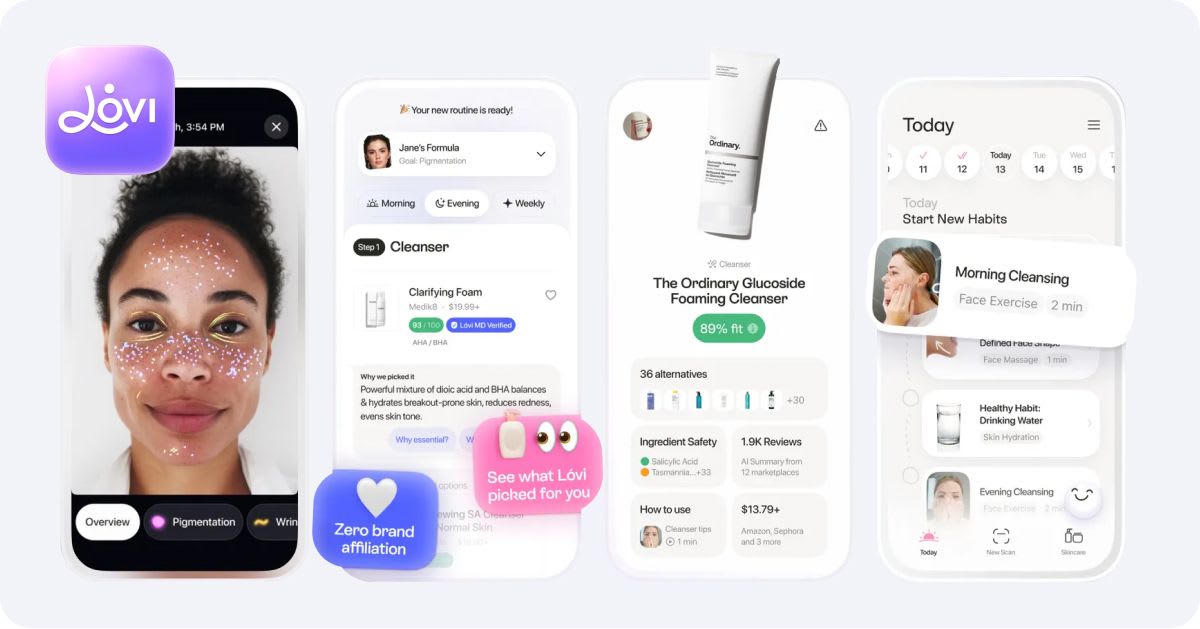
Lóvi approaches skincare from an ingredient-first perspective. Recommendations are reviewed by a medical board of dermatologists and cosmetic chemists, and the app doesn't partner with brands, which keeps the product suggestions grounded in formulation logic rather than marketing.
What It Does
- Face Scanner — analyzes your current skin quality and tracks progress over time. The app recommends rescanning every 10 days and lets you compare photos week by week to see changes you might not notice in the mirror. Some users find the feedback generic on first use — it gets more specific as the profile builds.
- Ingredient Scanner — scan any product's packaging or barcode, and Lóvi evaluates the formula against your skin profile. The Lóvi Score assesses products across effectiveness, skin-type suitability, and safety — a product can score well on efficacy, but flag for irritation potential, and the app distinguishes between the two. The database covers over 500,000 products.
- AI Skincare Assistant — delivers personalized guidance on routines and product comparisons. Lóvi claims the assistant has surpassed the pass mark on the US Medical License Exam benchmark — that's their stated standard for the quality of advice.
- Personalized Routine — builds a skincare program around your skin profile and updates it as your data changes. Recommendations are brand-neutral, filtered by formulation logic rather than brand partnerships.
What Sets It Apart
Lóvi's strength is narrow but specific: ingredient analysis with clinical depth. If your primary concern is vetting what's inside a product before buying it, the Lóvi Score gives you a structured answer. The brand-neutral approach means recommendations aren't shaped by partnerships — useful when evaluating products with complex formulations.
Some users find the face scanner feedback generic in the early stages, particularly if they're expecting highly specific guidance from the first scan. The guidance tends to get more targeted as the profile develops over time.
Who It's For
People who want to understand what's inside their products and whether those products are right for their specific skin. The app covers skincare only — there's no makeup guidance, color analysis, or technique instruction. Particularly useful for people with sensitive skin, during pregnancy, or anyone who has had reactions to products and wants to vet ingredients before buying.
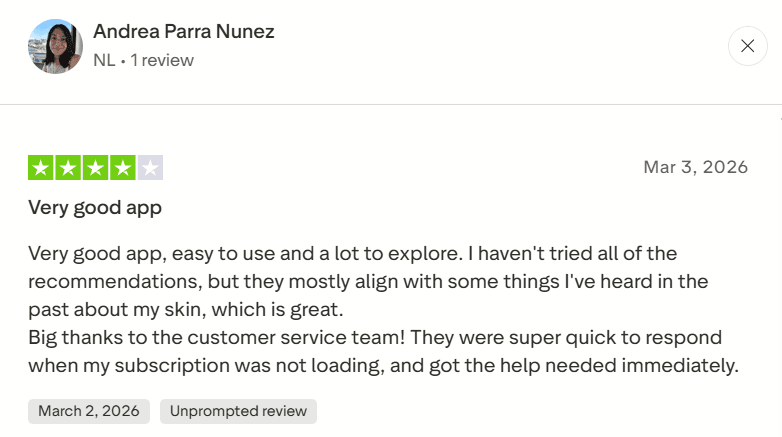
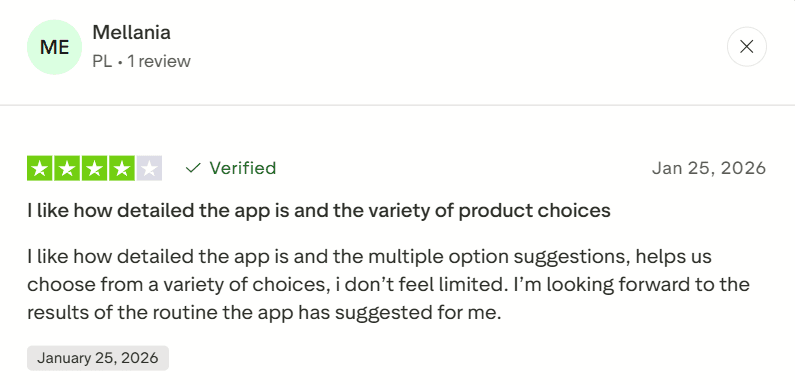
What Users Say
4/5 OnSkin
Ingredient transparency is one of the few areas in beauty where independent data matters more than brand reputation. OnSkin is a cosmetic scanner that rates products based on formulation science rather than marketing — no brand partnerships, no sponsored placements, just a safety score derived from the full ingredient list.
What It Does
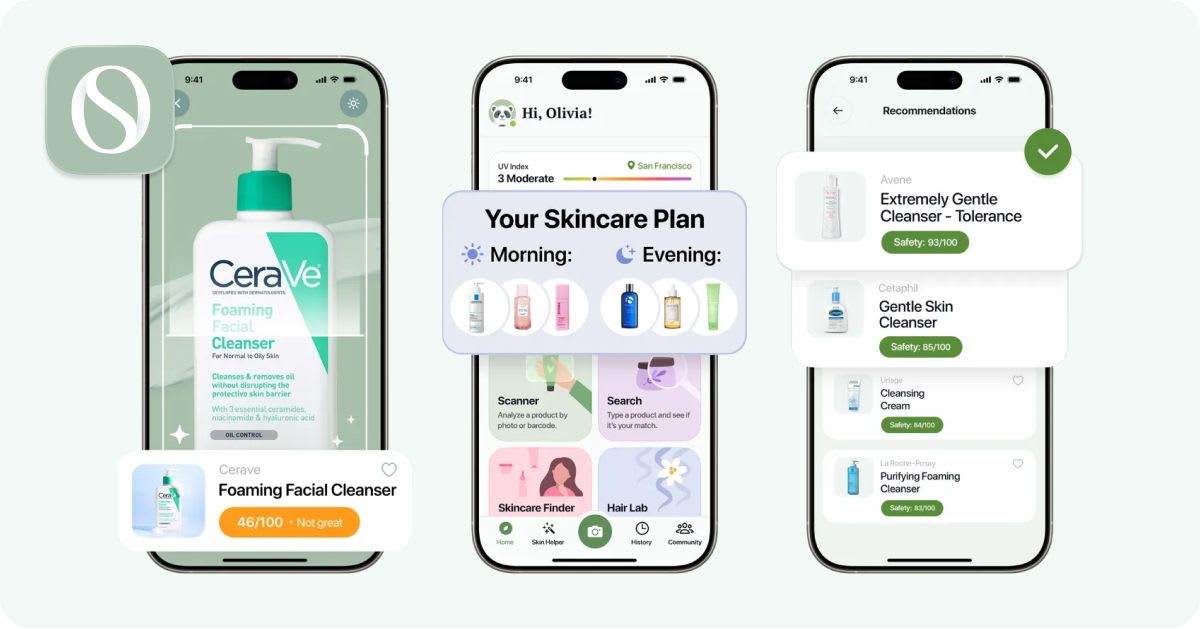
- Ingredient Scanner — scan any product's packaging, barcode, or search by name. The app breaks down every ingredient, flags potentially harmful ones, and assigns a Safety Score from 0 to 100 across four categories: endocrine disruption risk, carcinogenicity, allergy risk, and high-concentration alerts.
- Skin Match — based on a short survey about your skin type, concerns, and goals, the app evaluates whether a scanned product is a match for your specific profile — not just generically safe, but right for your skin.
- Personalized Routine — generates a morning and evening skincare routine with product recommendations tailored to your skin profile. Updates automatically when you change your survey answers.
- Safe Choice Mark — introduced in February 2026, a distinction reserved for products scoring 95 or higher — formulas that, according to OnSkin's analysis, pose no or negligible risk of common adverse health effects when used as intended.
What Sets It Apart
The methodology behind the Safety Score is more rigorous than most skincare apps. An in-house team of biologists and physicians has manually assessed over 15,000 cosmetic ingredients, with AI algorithms combining that human analysis into a per-product score.
Worth knowing: the database covers over 2 million products, but newer or niche products — particularly Korean skincare — aren't always listed yet. If a product isn't in the database, you can submit it manually, which takes a few minutes.
Who It's For
People who want to know what's in their products before they buy or use them. Particularly useful for anyone with sensitive skin, allergies, or specific concerns. Like Lóvi, OnSkin covers skincare only.
What Users Say

5/5 YouCam Makeup
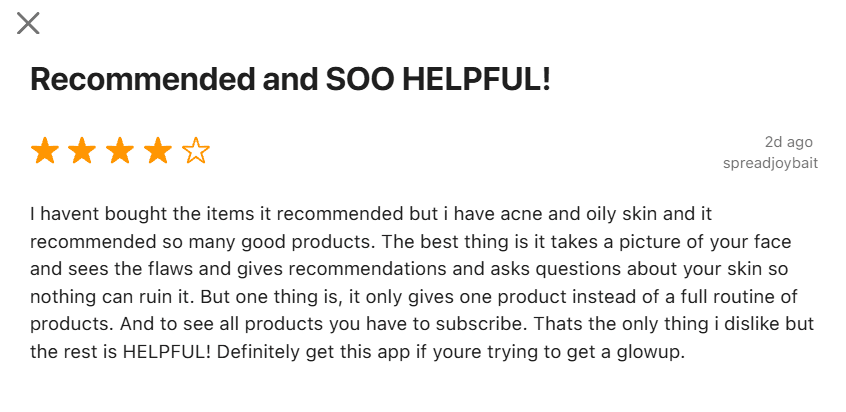
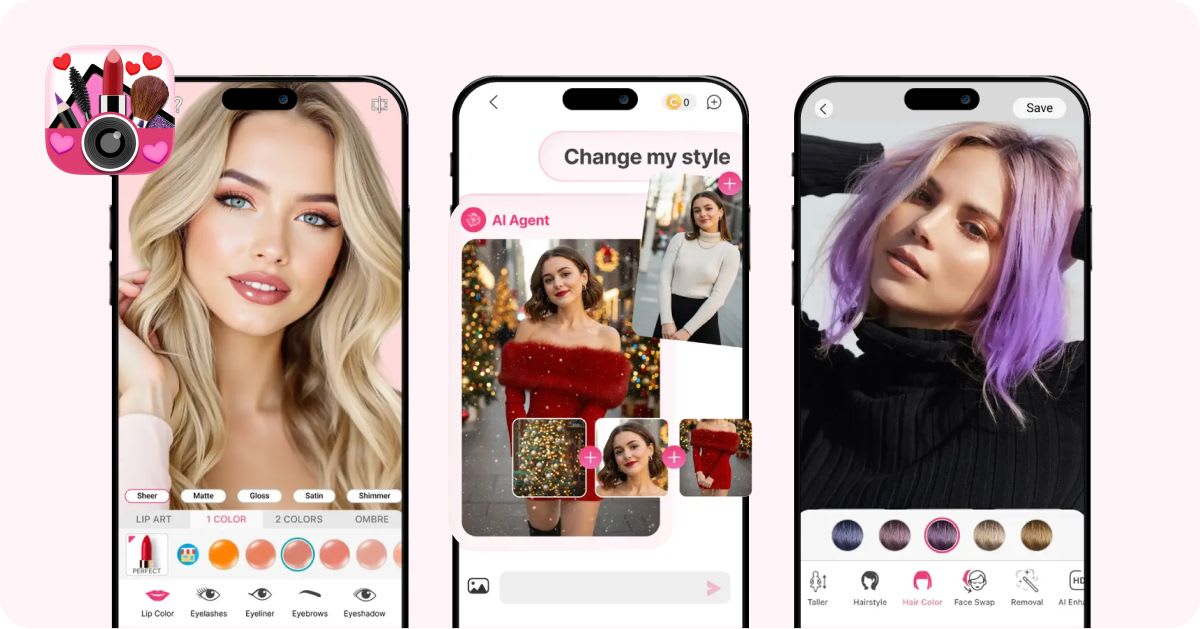
YouCam Makeup is the largest app in this comparison by scale — over 1 billion downloads as of October 2025, developed by Perfect Corp. It started as a virtual try-on tool and has since expanded into a broader creative platform. The core experience is still AR makeup simulation, but the app now includes an AI Beauty Agent, hair color try-on, body retouching, outfit styling, and generative AI photo tools.
What It Does
- AR Virtual Try-On — real-time makeup application across lipstick, eyeshadow, blush, foundation, eyeliner, and lashes. The AR tracks facial features in real time and adjusts with movement.
- AI Beauty Agent — launched in 2025, the AI Beauty Agent detects undertone, identifies skin type, and provides personalized skincare advice. It also suggests makeup looks and hairstyles based on facial features or face shape through natural conversation rather than a structured scan flow.
- Hair Color Try-On — 60+ hairstyles and colors to test virtually before committing to a salon visit.
- Body & Face Retouch — skin smoothing, blemish removal, facial reshaping, teeth whitening. These tools are designed for photo editing rather than guidance.
- Generative AI tools — text-to-image, image-to-image, and AI video generation for social content creation.
What Sets It Apart
The scale of the AR library. YouCam has over a decade of brand partnerships. The app generates revenue through partnerships with cosmetic brands for virtual product try-ons, which means the product catalog available for try-on is extensive. For someone who wants to experiment freely with looks and styles across a wide range of products, that breadth is useful.
The app has evolved significantly beyond makeup try-on. If you're also creating content for social media, the generative AI and video tools are built into the same platform.
Who It's For
People who want to experiment freely — trying different looks, styles, and products without a specific goal in mind. Content creators who need beauty tools and social content creation in one app.
Worth noting: most of the retouch tools change how you look in a photo, not how you actually apply makeup in real life. And while the AI Beauty Agent suggests looks based on your features, the app doesn't teach you a technique. If you want to understand how to recreate a look for your specific face shape, you'll need to look elsewhere for that part.
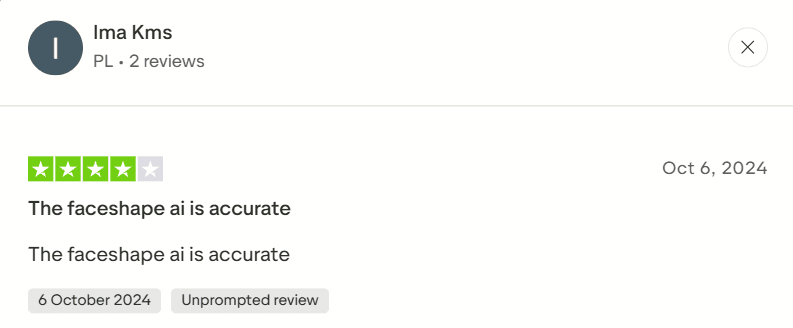
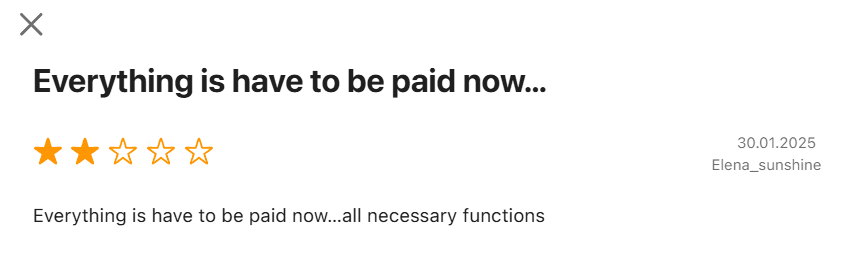
What Users Say
How They Stack Up
Each of these tools is strong at something specific. Here's a quick comparison to help you find the one that fits what you're actually trying to solve.
EpicaBeauty | Sephora | Lóvi | OnSkin | YouCam | |
Covers Makeup | ✅ | ✅ | ❌ | ❌ | ✅ |
Covers Skincare | ✅ | ✅ | ✅ | ✅ | ❌ |
Teaches Techniques | ✅ | ❌ | ❌ | ❌ | ❌ |
Profile Updates Over Time | ✅ | ❌ | ✅ | ❌ | ❌ |
Face Shape Analysis | ✅ | ❌ | ❌ | ❌ | ❌ |
Color Analysis | ✅ | ✅ | ❌ | ❌ | ✅ |
Ingredient Analysis | ✅ | ❌ | ✅ | ✅ | ❌ |
Best For | Personalized makeup & skincare plan built around your face | Shade matching & shopping | Science-backed skincare | Safety scoring & ingredient transparency | Virtual try-ons & creative content |
Where I Land On These
What I keep coming back to after spending time with all five is how clearly each app reveals its own assumption about the user. What I find most compelling about EpicaBeauty is that it's the only one solving the harder problem: not what to buy, but what actually works for your face, and keeping that answer accurate as your face changes. That's a longer game than a shade match or a product scan. But it's the one that compounds.
For a full breakdown of how EpicaBeauty works feature by feature, read our detailed review.
FAQ
What is the best makeup app in 2026?
It depends on what you're trying to do. EpicaBeauty is the strongest option for personalized guidance — it reads your face, builds a plan around it, and updates that plan over time. Sephora is the best for shopping and shade matching. YouCam is the most versatile for creative experimentation.
Which AI beauty app is most accurate?
Accuracy depends on what you're measuring. For color and skin analysis, EpicaBeauty and Sephora's Color IQ both have strong track records. For ingredient safety, OnSkin and Lóvi use science-based scoring systems reviewed by medical professionals.
Are AI makeup apps free?
Most offer a free version with limited features. Sephora and YouCam are free to download. EpicaBeauty, Lóvi, and OnSkin have free tiers but full access requires a subscription.
Do AI beauty apps work for all skin tones?
The better apps have been trained on inclusive datasets covering a wide range of complexions and undertones. It's worth checking each app's documentation if inclusivity is a priority for you.
What is the best app for personalized skincare and makeup together?
EpicaBeauty is the only app in this comparison that covers both — color analysis, face shape detection, skin tracking, and a lesson library — all under one personalized profile that updates as your skin changes.


- The Business Research Company. Next-Generation Personalized Beauty Global Market Report 2026. January 2026. https://www.thebusinessresearchcompany.com/report/next-generation-personalized-beauty-global-market-report. Accessed April 1, 2026.
- Sephora Newsroom. Sephora App in ChatGPT Brings a New Personalized Beauty Experience. February 12, 2026. https://newsroom.sephora.com/sephora-app-in-chatgpt-brings-a-new-personalized-beauty-experience/. Accessed April 1, 2026.
- OnSkin. 6 Beauty Apps You Should Use in 2026. January 5, 2026. https://onskin.com/6-beauty-apps-you-should-use-in-2026/. Accessed April 1, 2026.
- Healthcare Tech Outlook Europe. LOVI 2026. March 2026. https://www.healthcaretechoutlookeurope.com/lovi-2026. Accessed April 1, 2026.
- L'Oréal Paris USA. Beauty Genius: AI Beauty Virtual Assistant. March 2026. https://www.lorealparisusa.com/beauty-genius-ai-beauty-virtual-assistant. Accessed April 1, 2026.
- The Right Hairstyles. AI Beauty Apps Tested & Reviewed. January 2026. https://therighthairstyles.com/ai-beauty-apps-tested-reviewed/. Accessed April 1, 2026.
- BeautySpark. Best AI Makeup Apps Compared. February 20, 2026. https://beautyspark.me/blog/best-ai-makeup-apps-compared. Accessed April 1, 2026.
- WifiTalents. Best Makeup Software. February 2026. https://wifitalents.com/best/makeup-software/. Accessed April 1, 2026.
- BestApp. Best Makeup Apps. 2026. https://www.bestapp.com/best-makeup-apps/. Accessed April 1, 2026.
- BrandXR. 2025 Augmented Reality in Retail & E-commerce Research Report. October 2025. https://www.brandxr.io/2025-augmented-reality-in-retail-e-commerce-research-report. Accessed April 1, 2026.
- Glamar.io. Best Digital Makeover SDK. 2025. https://www.glamar.io/blog/best-digital-makeover-sdk. Accessed April 1, 2026.