 Log in
- What Is SPF and What Does It Actually Measure?
- UVA vs. UVB: What You're Actually Protecting Against
- How Much Protection Does SPF Actually Provide?
- Chemical vs. Mineral Sunscreen: Which One Is Right for You?
- Does Skin Type Matter When Choosing Sunscreen?
- The Best Broad-Spectrum Sunscreens for Daily Use
- How to Apply Sunscreen Correctly
- How to Layer Sunscreen Under Makeup Without Pilling
- How to Reapply Sunscreen Throughout the Day
- The Bottom Line
- FAQ

Broad-Spectrum Sunscreen: What SPF You Need and How to Use It

Reviewed by Holly Singletary
Board Certified Dermatologist
A high SPF doesn't guarantee you won't get sun damage. A formula that blocks UVB but ignores UVA still leaves your skin exposed to the rays that cause wrinkles, dark spots, and collagen breakdown.
According to the American Academy of Dermatology, daily use of broad-spectrum sunscreen can reduce the risk of melanoma by 50% and visible signs of skin aging by 24%. Despite this, over 80% of users apply only 25% of the required dosage, effectively neutralizing the protection stated on the label.
After reading this, you'll be able to choose the right sunscreen for your skin type, grasp the meaning of broad-spectrum, and apply it correctly.
✔️ TL;DR
- SPF measures UVB protection only. Without a broad-spectrum label, UVA damage (wrinkles, dark spots, collagen breakdown) goes unaddressed
- SPF 30 blocks 97% of UVB rays. SPF 50 blocks 98%. The number matters less than applying the correct amount consistently
- Over 80% of people apply only 25% of the recommended dose, which means most sunscreens are working at a fraction of their tested capacity
- Match the formula to your skin type. Texture and finish matter as much as SPF, because a sunscreen you avoid wearing does not protect at all
What Is SPF and What Does It Actually Measure?
SPF stands for Sun Protection Factor. The number measures how long it takes UVB rays to redden your skin when you're wearing sunscreen compared to when you're not. If your skin normally starts to burn after 10 minutes of sun exposure, SPF 30 theoretically extends that to 300 minutes. But in real life, factors such as sweat, water, and application amount significantly reduces that time.
The keyword is theoretically. That calculation assumes you applied the full tested dose, about two milligrams per square centimeter of skin, which most people don't come close to. Apply half the amount, and you're not getting SPF 30. You're getting closer to SPF 5.
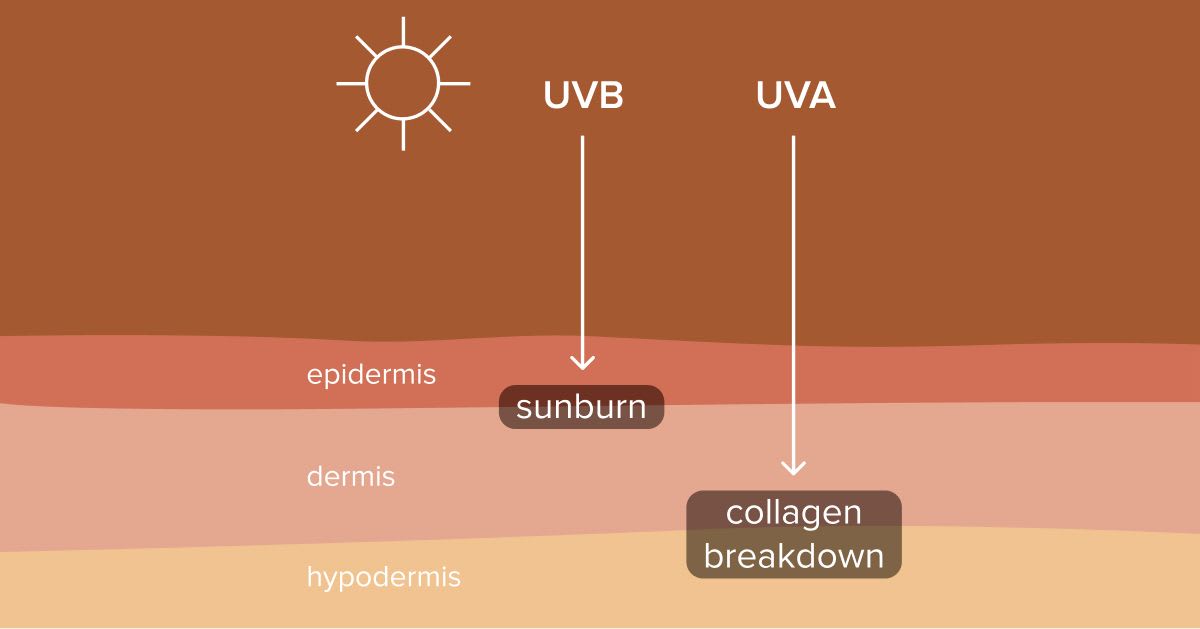
SPF also only measures UVB protection. It says nothing about UVA rays, which penetrate deeper into the skin and cause collagen breakdown, dark spots, and long-term cellular damage. A sunscreen can have a high SPF and still provide inadequate UVA protection if it is not labeled broad-spectrum.
UVA vs. UVB: What You're Actually Protecting Against
Solar radiation reaches your skin in two forms: UVA and UVB. They behave differently, penetrate differently, and cause different types of damage, which is why protecting against both matters.
UVB: The Burning Ray
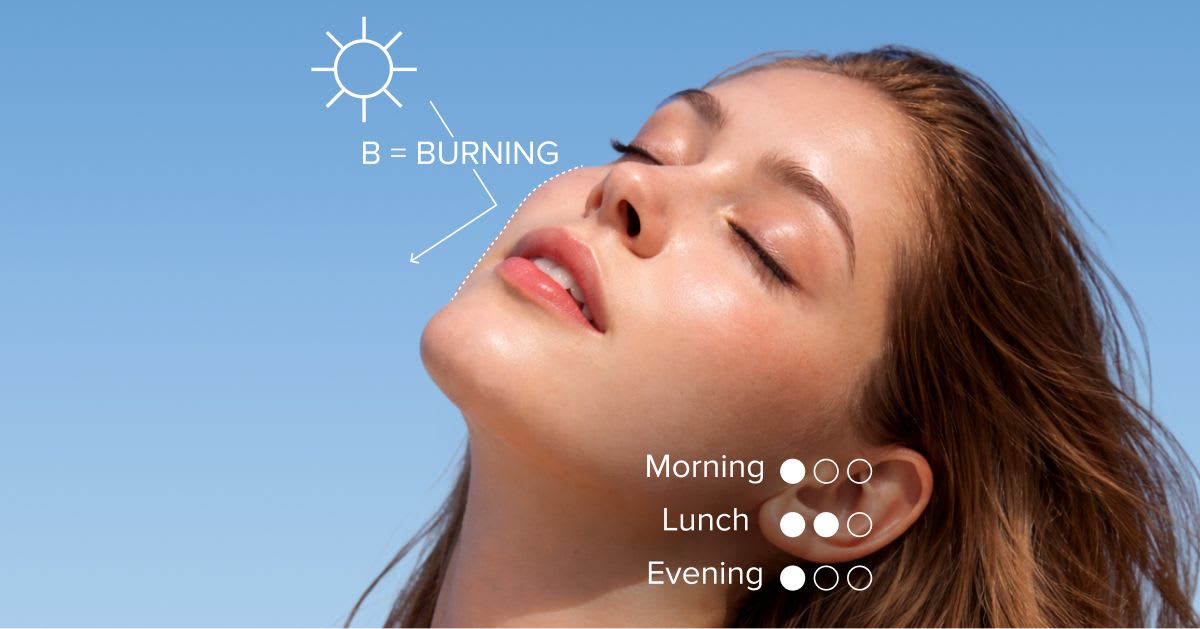
UVB rays have shorter wavelengths and affect the skin's surface layers. They're responsible for sunburn, redness, and most cases of skin cancer. Their intensity varies: stronger at midday, weaker in the morning and evening. Think of "B" for Burning.
UVA: The Aging Ray
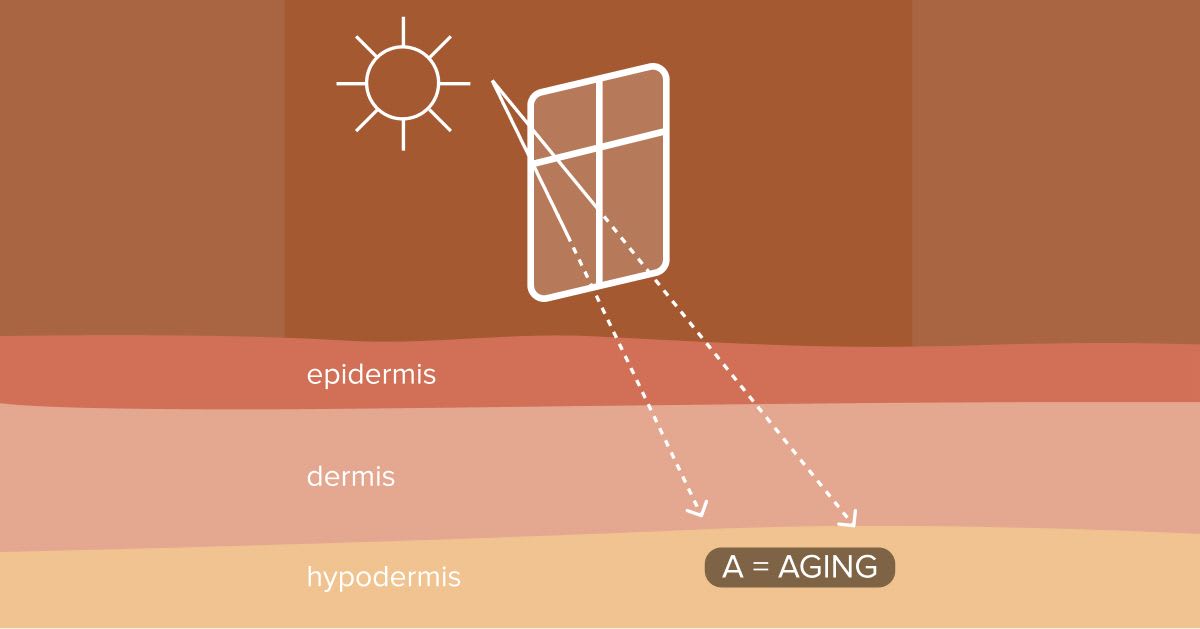
UVA rays make up about 95% of the UV radiation that reaches your skin. They have a longer wavelength, which means they penetrate into the deeper layers of the skin where collagen and elastin live. And they are sneaky because they don't cause pain. Think of "A" for Aging. UVA rays are constant all day long and can even pass through window glass, which means you're exposed during every commute and every hour spent near a window.
Why Broad Spectrum Is Non-Negotiable
A standard sunscreen might stop you from burning (UVB) but still allow UVA exposure, which contributes to collagen breakdown and skin aging over time. A Broad-Spectrum label indicates the formula has been tested to protect against both UVA and UVB rays.
How Much Protection Does SPF Actually Provide?
Higher numbers don't provide as much extra protection as you might think. The relationship between the number and the protection follows a curve:
- SPF 15 blocks 93% of UVB rays
- SPF 30 blocks 97% of UVB rays
- SPF 50 blocks 98% of UVB rays
Moving from SPF 30 to SPF 50 only gives you 1% more protection. This is why consistency and application amount are much more important than chasing the highest number.
For daily use, dermatologists consistently recommend SPF 30 as the minimum. For extended time outdoors, at high altitudes, or near reflective surfaces like water or snow, SPF 50 is the more practical choice. SPF above 50 offers only modest additional UVB protection, but may be beneficial in high exposure situations or for individuals at higher risk.
One more variable worth factoring in: the UV index for your location. On low-UV days, SPF 30 is enough. Above index 6, SPF 50 is the more practical choice. Checking it takes seconds — and the UV index tracker in the EpicaBeauty makes it part of your morning routine automatically.
Chemical vs. Mineral Sunscreen: Which One Is Right for You?
Sunscreens are divided into two categories based on how they handle UV light.
How Mineral Sunscreens Work
Mineral sunscreens use zinc oxide or titanium dioxide to physically block UV rays by sitting on the surface of the skin. Because they don't absorb, they work immediately upon application and rarely cause irritation, which makes them the default recommendation for sensitive, acne-prone skin and during pregnancy.
The tradeoff is texture. Mineral formulas can leave a white cast, particularly on deeper skin tones. Tinted versions have largely solved this, but untinted formulas still tend to be thicker than chemical alternatives.
How Chemical Sunscreens Work
Chemical sunscreens absorb into the skin and convert UV rays into heat. Common active ingredients include avobenzone, oxybenzone, and octinoxate. They feel lighter than mineral formulas, blend invisibly, and work better under makeup.
The limitation is timing — chemical sunscreens need 15 to 20 minutes after application to become effective. People with sensitive skin may also experience irritation, particularly from oxybenzone.
Many modern formulas combine both mineral and chemical filters. If you're unsure where to start, a hybrid formula is often the most practical choice.
Does Skin Type Matter When Choosing Sunscreen?
The active ingredients in sunscreen determine how well it protects you. The base formula (texture, finish, additional ingredients) determines whether you'll actually use it every day. A sunscreen you skip because it breaks you out or feels greasy provides zero protection.
Oily and Acne-Prone Skin
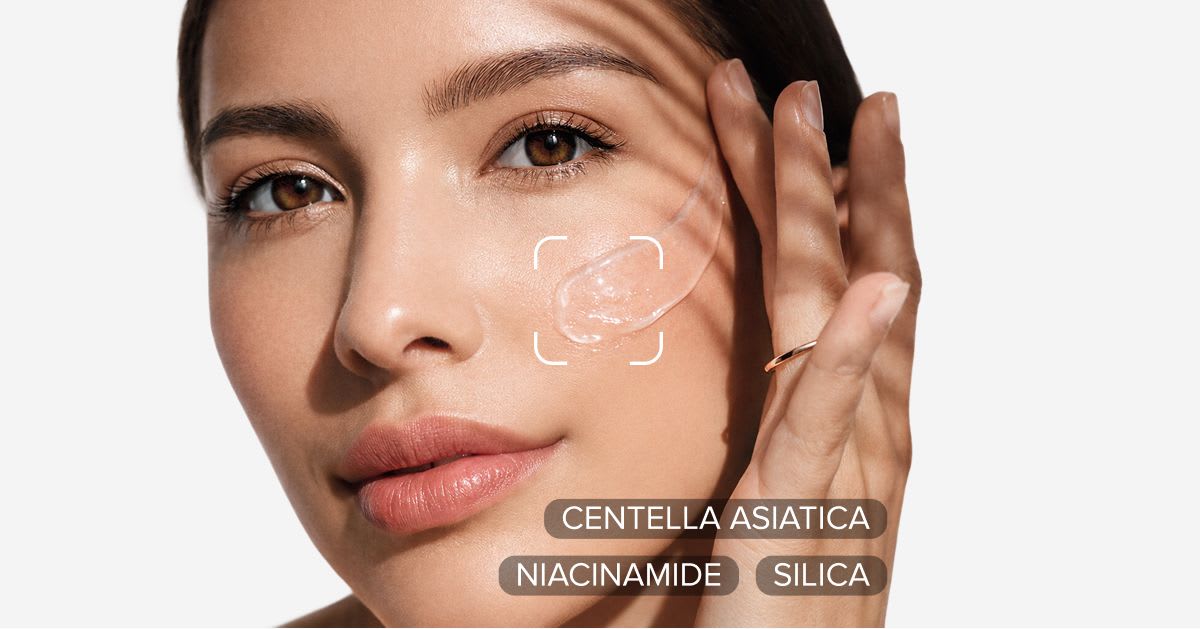
- Look for gel-based, oil-free, and non-comedogenic formulas — they absorb quickly without adding shine or clogging pores
- Mattifying formulas with silica or perlite help control oil throughout the day
- Ingredients like centella asiatica, niacinamide, and tea tree extract provide additional benefit — they soothe inflammation and regulate sebum production
- Avoid rich cream textures, which tend to sit heavily on oily skin and increase the likelihood of breakouts
Dry and Mature Skin
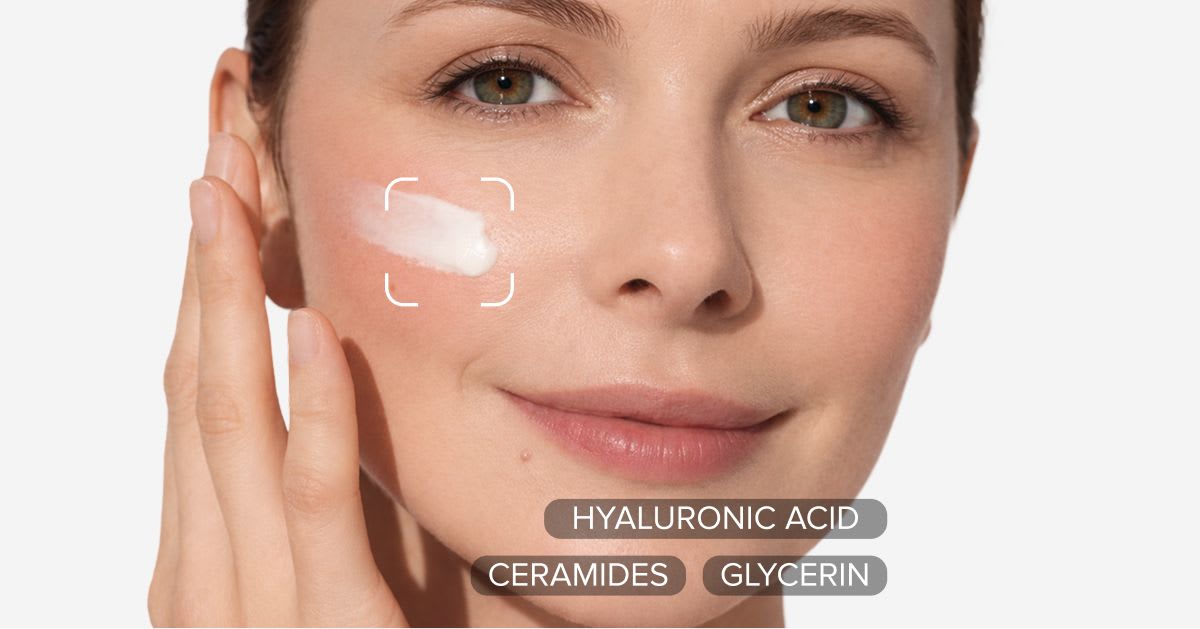
- Cream-based and hydrating formulas work best — many contain the same ingredients found in high-end moisturizers
- Look for hyaluronic acid, ceramides, and glycerin — they protect the skin barrier while keeping it hydrated throughout the day
- Modern sun serums also fall into this category: lightweight in texture but with a strong hydrating effect
- Avoid gel or mattifying formulas, which can emphasize dry patches and feel tight on dehydrated skin
Sensitive Skin
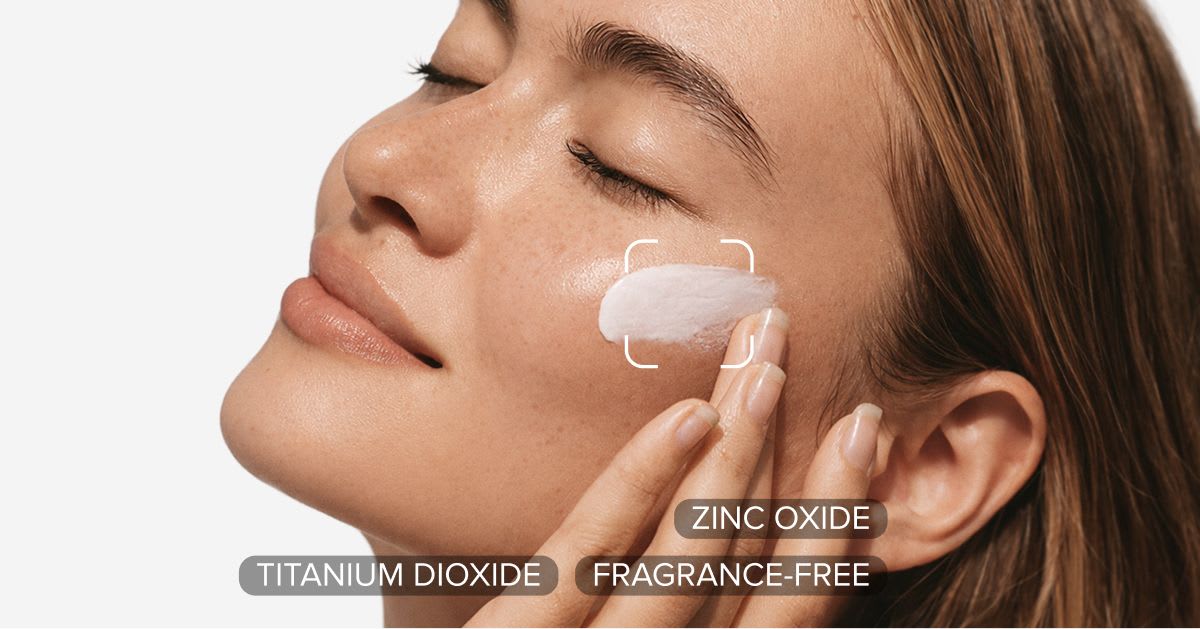
- Mineral sunscreens with zinc oxide and titanium dioxide are the safest starting point — they don't absorb into the skin and rarely trigger reactions
- Look for fragrance-free formulas with a short ingredient list — fewer potential irritants means lower risk of a reaction
- Niacinamide and centella asiatica are beneficial additions — both calm redness and strengthen the skin barrier
- Avoid chemical filters like oxybenzone if your skin reacts easily to actives
The Best Broad-Spectrum Sunscreens for Daily Use
Not all broad-spectrum formulas are created equal. Each of the five formulas below covers a different skin type and texture preference.
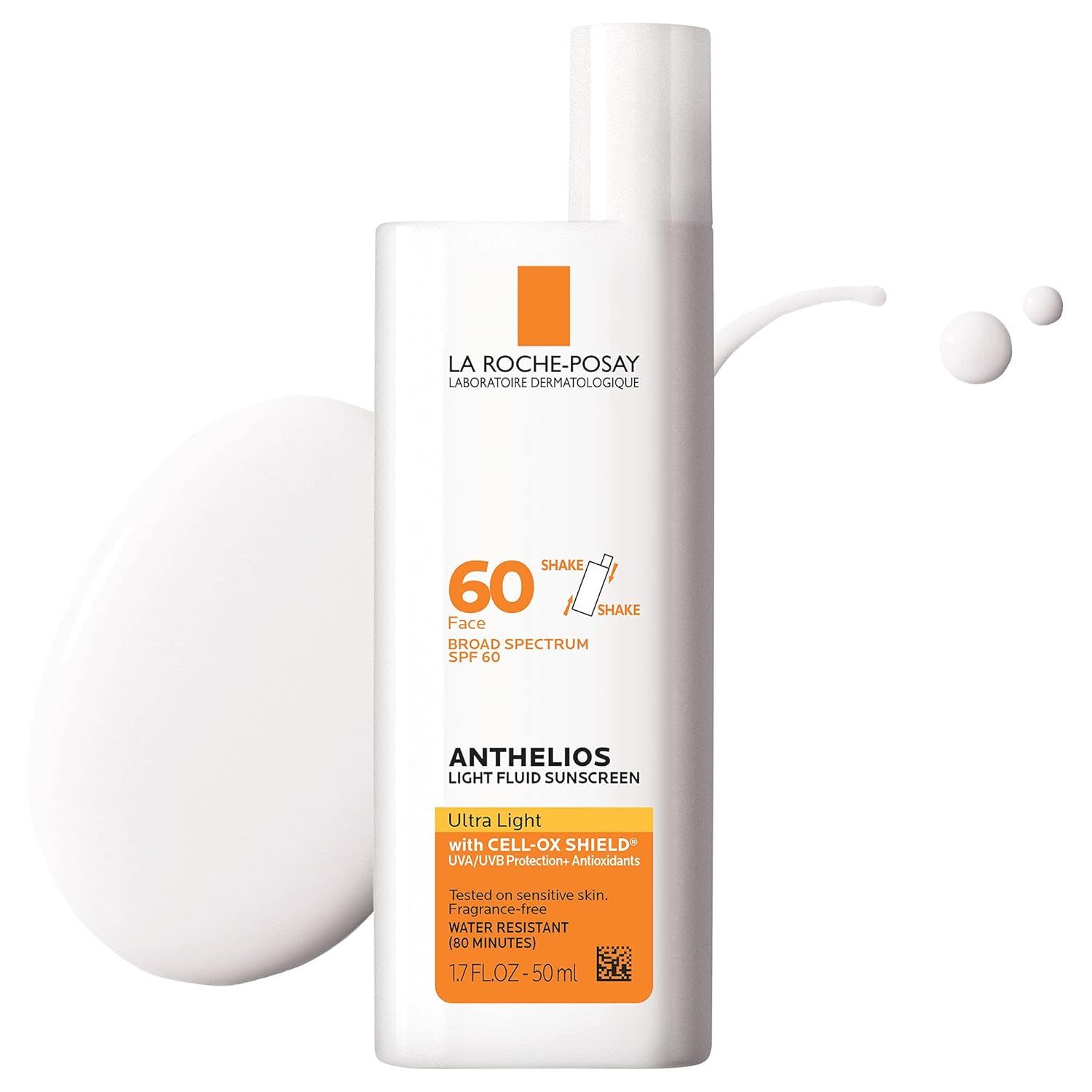
1/5 La Roche-Posay Anthelios Mineral Sunscreen SPF 60
This 100% mineral formula works for sensitive and reactive skin because it creates a physical barrier without absorbing into the skin.
Why it works:
- Titanium dioxide and zinc oxide reflect UV rays without chemical absorption — generally well tolerated and less likely to cause irritation in sensitive skin
- Cell-Ox Shield technology combines filters with antioxidants to neutralize free radical damage
- Oil-free finish works for oily skin without adding shine
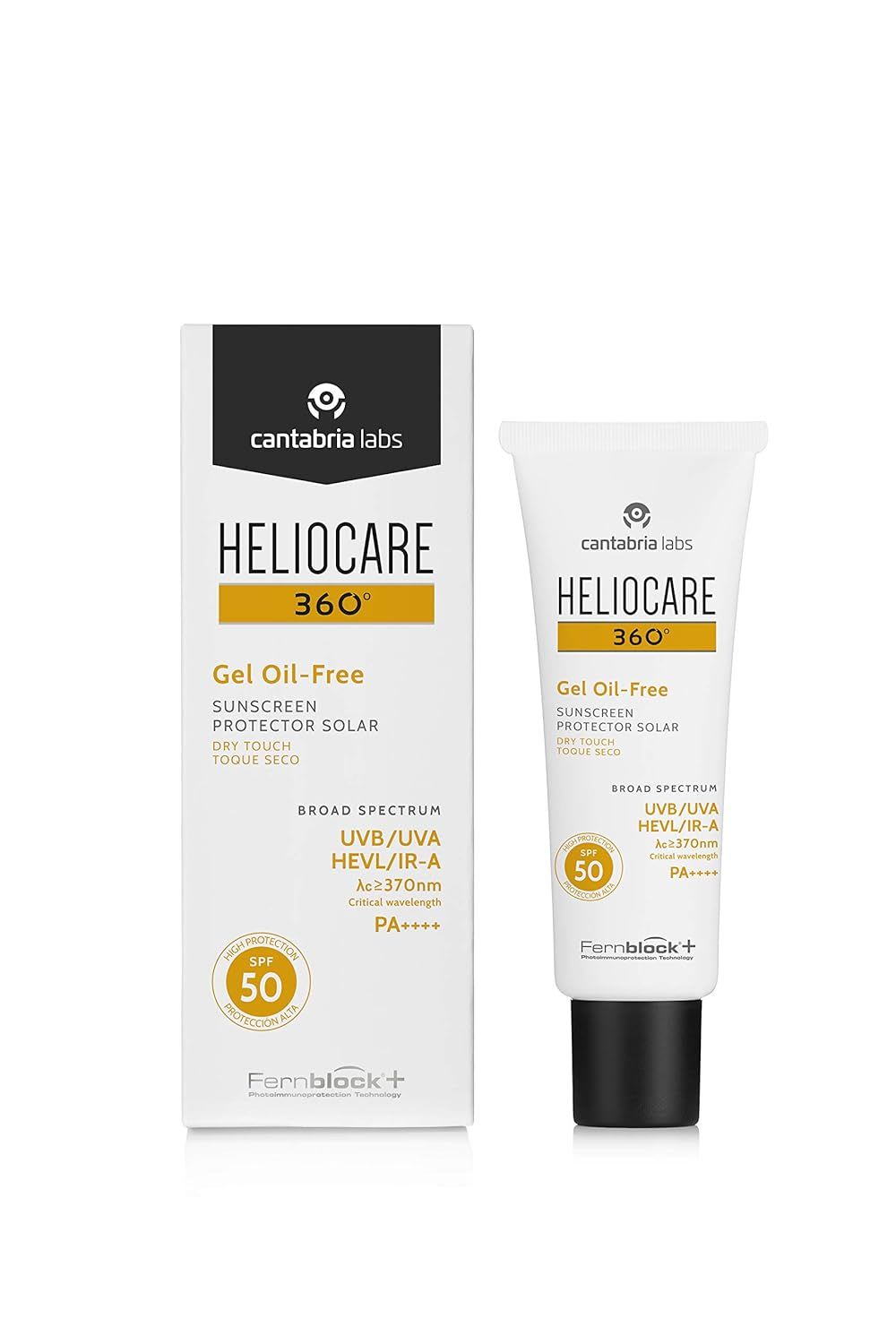
2/5 Heliocare 360º Gel Oil-Free SPF 50
Often recommended by clinical experts, this gel-oil-free formula offers advanced protection that extends beyond UV rays. It features a unique "dry-touch" technology, meaning it dries down to a velvet finish that controls shine even in humid conditions.
Why it works:
- Fernblock+ protects the skin's immune system and prevents UV-induced DNA damage
- Green tea extract adds antioxidant protection and calms existing inflammation
- Dry-touch technology absorbs quickly without leaving residue or grease
3/5 Naked Sundays CabanaClear™ Water Gel Serum SPF 50
This clear water-gel formula leaves zero white cast on any skin tone and was developed specifically to prevent pilling under foundation.
Why it works:
- Hyaluronic acid plumps and hydrates, functioning as a built-in primer under makeup
- Kakadu plum delivers a concentrated dose of vitamin C to brighten and fight oxidative damage
- Completely transparent formula works on deeper skin tones without grey or ashy residue

4/5 EltaMD UV Clear Face Sunscreen SPF 46
This oil-free zinc oxide formula was developed for sensitive and acne-prone skin, protecting against UVA and UVB rays without leaving a white cast or triggering breakouts.
Why it works:
- Zinc oxide provides mineral broad-spectrum protection without chemical absorption — suitable for reactive and rosacea-prone skin
- Oil-free formula absorbs quickly without clogging pores or adding shine
- Lightweight texture works under makeup and won't disrupt skin prone to discoloration or sensitivity

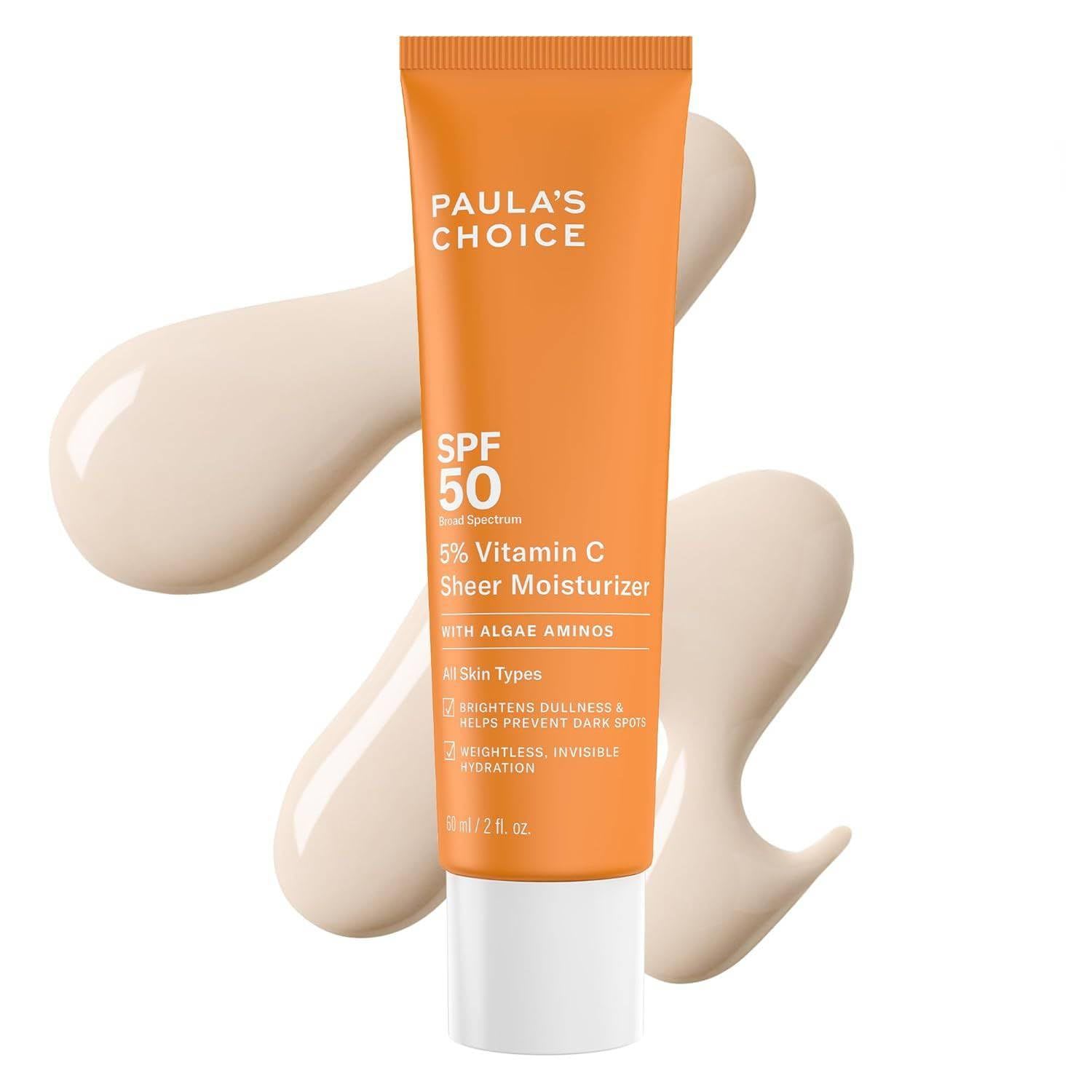
5/5 Paula's Choice 5% Vitamin C Sheer Sunscreen SPF 50
This formula addresses two major skin concerns at once: sun protection and skin brightening. By infusing SPF 50 with a stable 5% concentration of Vitamin C, it actively works to prevent and correct dark spots while you are wearing it.
Why it works:
- 5% stabilized vitamin C targets hyperpigmentation and uneven skin tone with daily use
- Acetyl zingerone, derived from ginger, reduces oxidative stress and visible redness
- Sheer, fragrance-free finish leaves no white cast on any skin tone
How to Apply Sunscreen Correctly
The right formula applied incorrectly still leaves your skin underprotected. Two things determine whether your sunscreen performs: how much you use and how you apply it.
The Two-Finger Rule
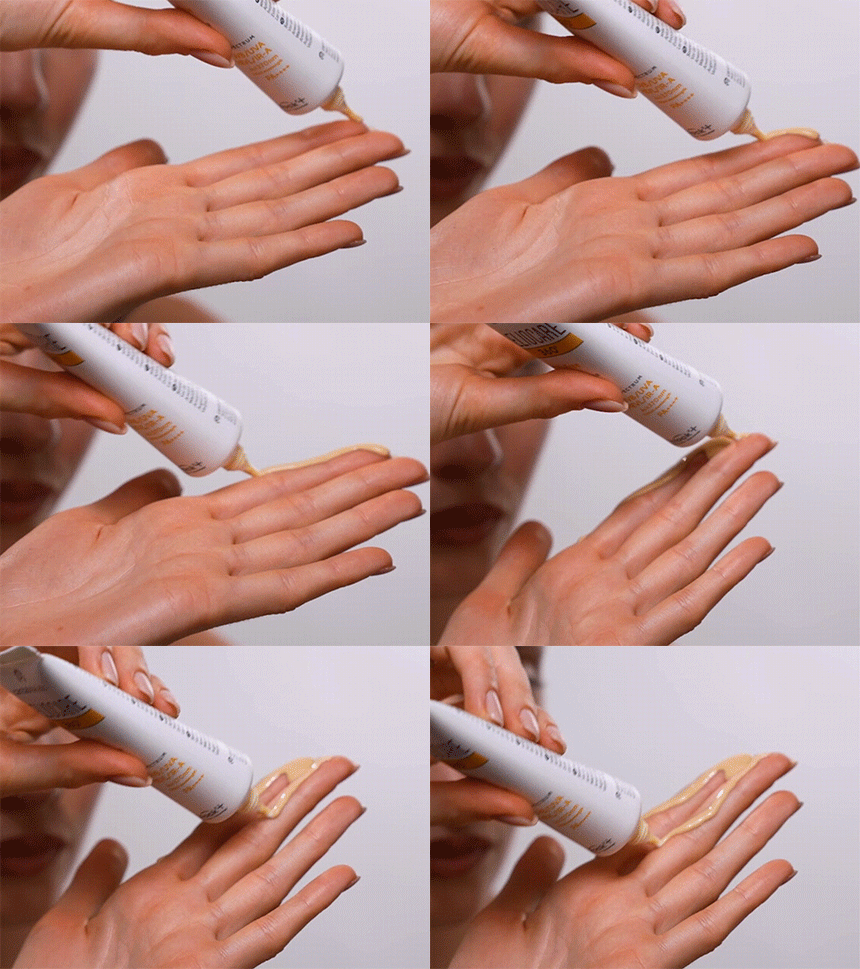
The easiest way to measure the right amount of sunscreen for your face and neck is the two-finger rule. Simply squeeze two full lines of sunscreen onto your index and middle fingers. This looks like a lot, but this is the exact dosage used in clinical labs to verify the SPF rating on the bottle.
Follow the video explanation and try it yourself in real time.
Pat, Don't Rub
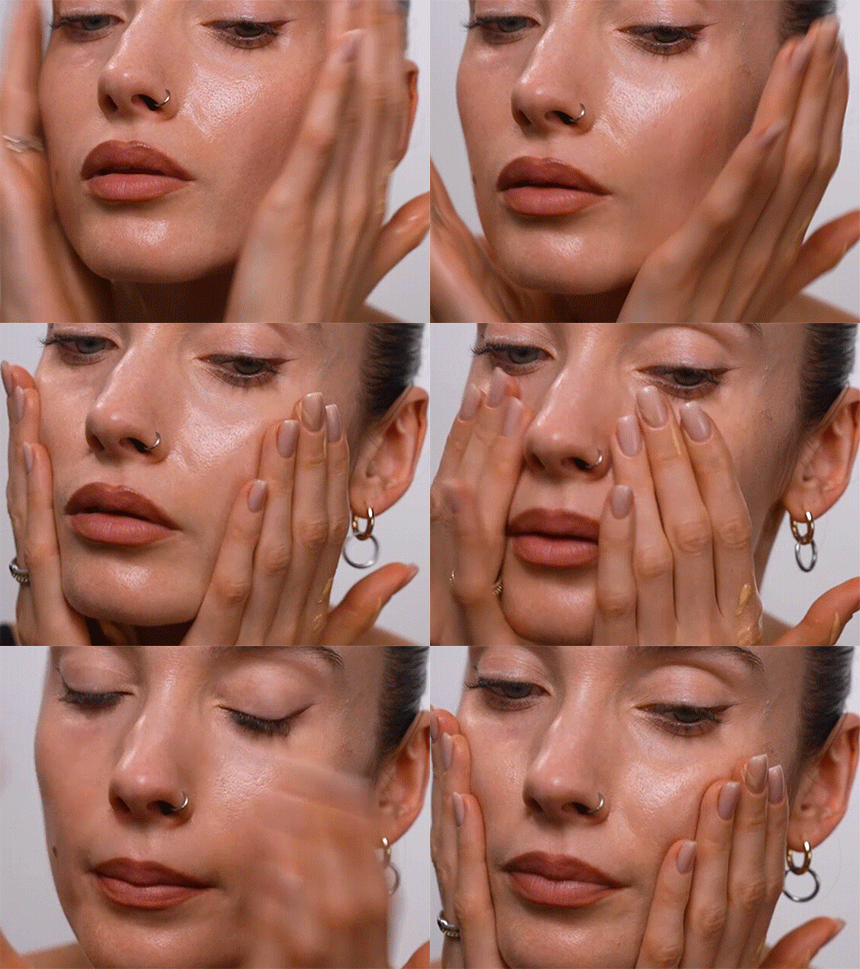
Once you've dotted the product on, gently pat it into your skin instead of aggressively rubbing. Patting helps create an even, protective layer on the surface of the skin. Rubbing can cause the product to pill or disrupt the polymer structure, leaving gaps in your defense.
How to Layer Sunscreen Under Makeup Without Pilling
Pilling happens when product layers don't bind together: instead of absorbing, they roll off the skin in small flakes. The cause is almost always one of two things: rushing between layers or incompatible formulas.
- After applying serum and moisturizer, wait at least one minute before sunscreen. After sunscreen, wait 5 to 10 minutes before foundation. Each layer needs time to form a film before the next one goes on

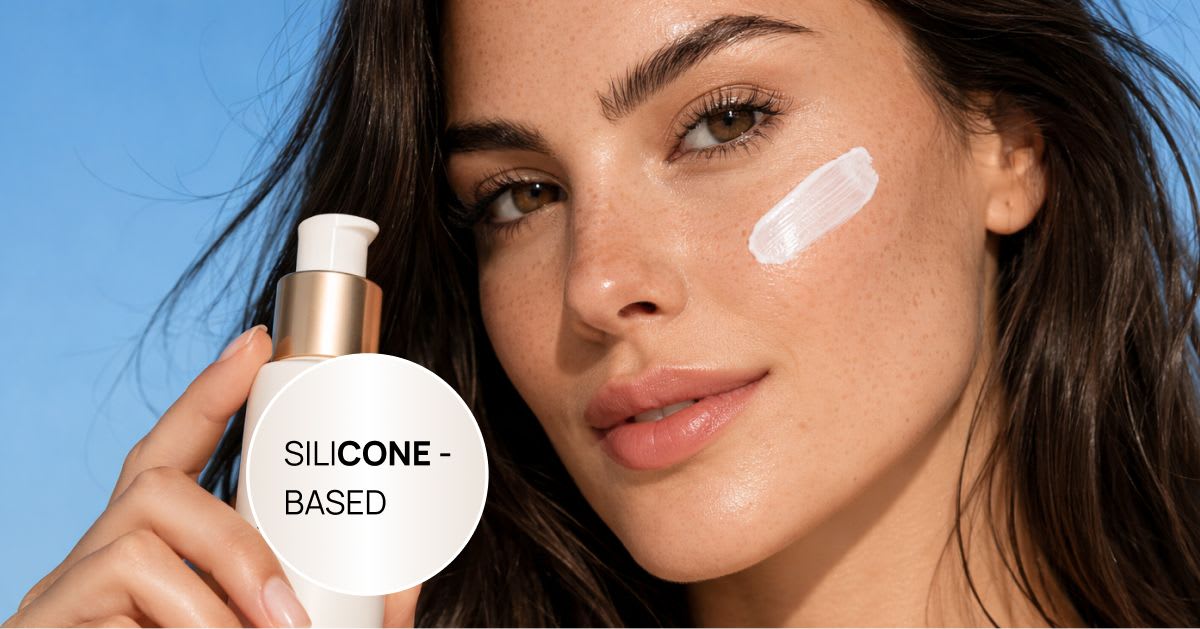
- Check ingredient compatibility. Silicone-based sunscreens and water-based foundations don't bind well. Try to keep your product bases consistent — if your sunscreen is silicone-based, your foundation should be too. Silicone ingredients typically end in "-cone" or "-siloxane" on the label
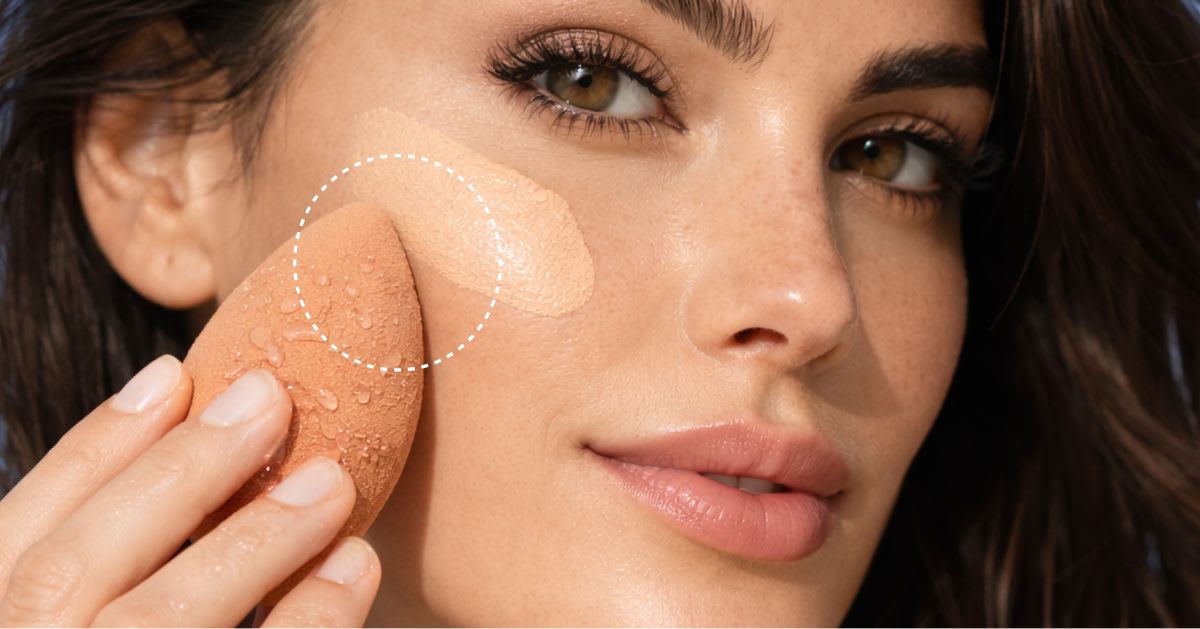
Apply foundation with a damp beauty sponge or a foundation brush using a pressing motion. Wiping or rubbing disturbs the sunscreen layer underneath and causes pilling.
If pilling persists, the issue is usually ingredient incompatibility. The ingredient scanner in EpicaBeauty lets you check whether your sunscreen and foundation are likely to work together before you commit to the combination.
How to Reapply Sunscreen Throughout the Day
Most sunscreens should be reapplied every two hours, or sooner if sweating, swimming, or wiping the skin. Sweat, sebum, and physical contact break down the protective film over time. The challenge is reapplying over makeup without ruining it.
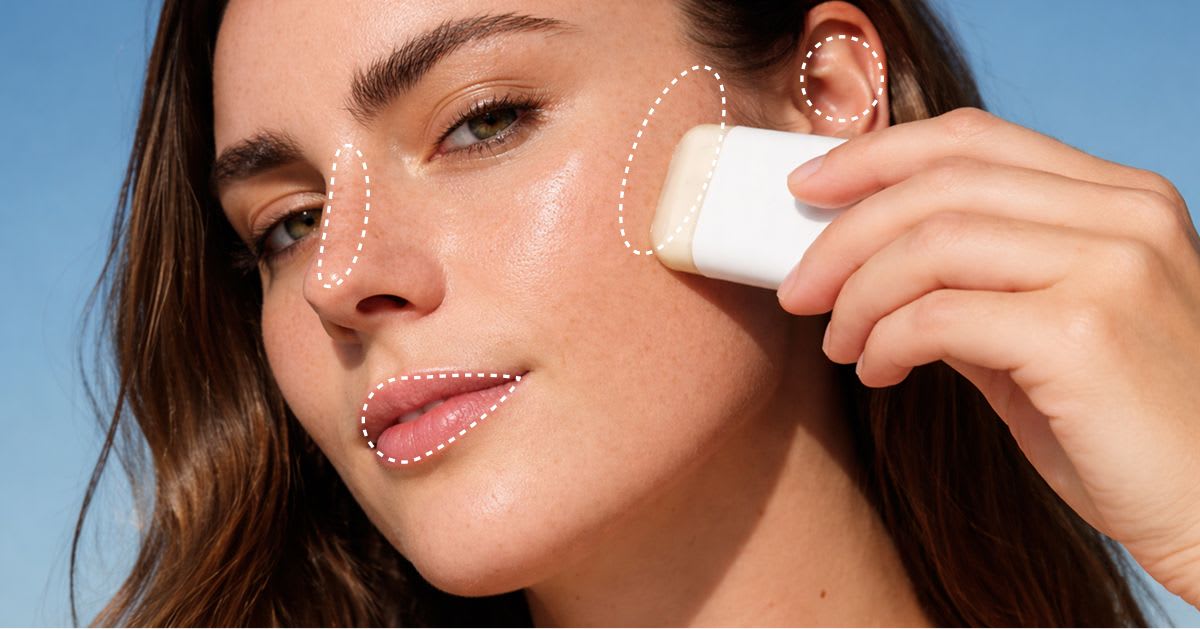
Sunscreen Stick
Sticks are the most precise reapplication format. They work best on high-exposure areas: nose, cheekbones, brow bone, ears, and lips. Swipe directly onto the skin and pat the edges with a fingertip to blend. They're portable, transparent, and don't disturb makeup significantly.
SPF Mist
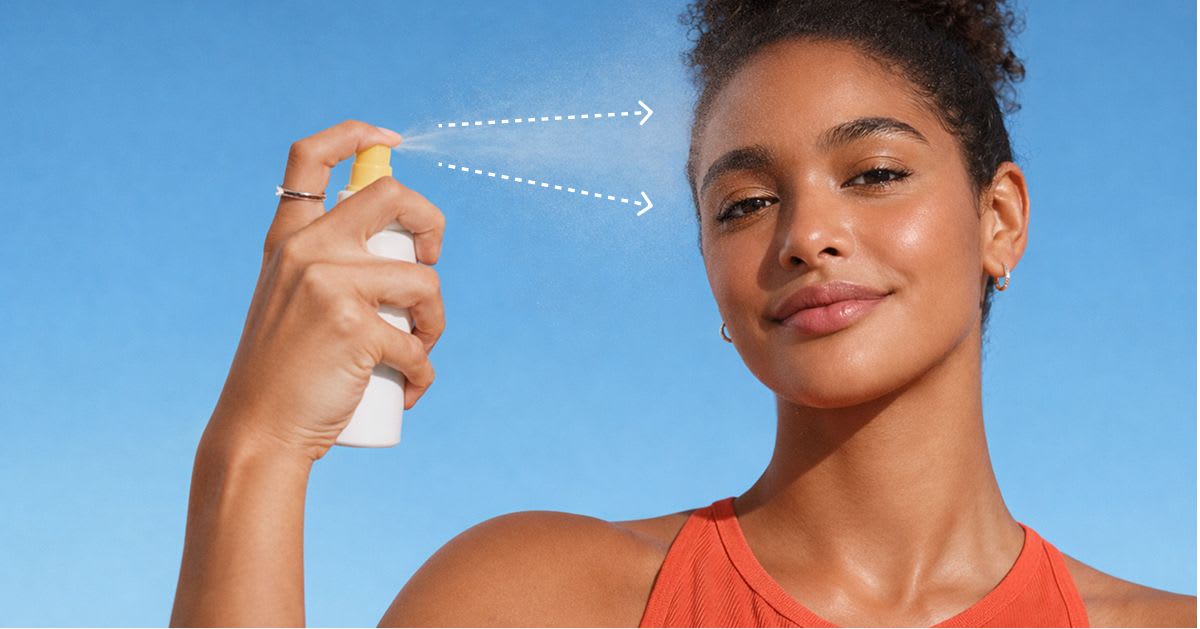
Sprays and mists cover larger areas quickly, which makes them practical for a full-face refresh. The key is using enough: a light spritz doesn't deliver adequate coverage. Hold the mist close to the face, close your eyes, and apply in several passes over the face, neck, and chest. Non-aerosol pump sprays give more control over the amount dispensed than aerosol cans.
Powder Sunscreen
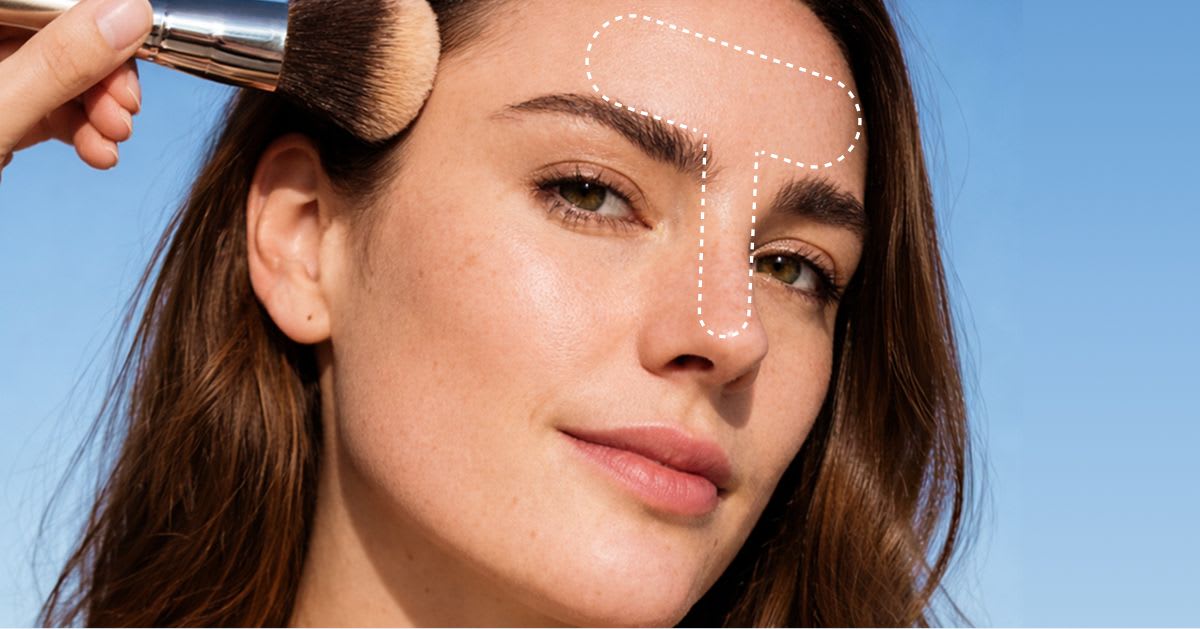
Powder sunscreens work well for oily skin because they reapply protection while mattifying the T-zone at the same time. Tap the brush on the back of your hand until powder is visible, then buff generously over the face. Powder format is also effective for the hairline and scalp — areas that are easy to miss and burn quickly.
The Bottom Line
Choosing the right sunscreen comes down to three things: broad-spectrum coverage, the correct SPF level for your activity, and a formula you'll actually use consistently.
Most people understand the basics. They just struggle to apply them consistently. Building a skincare routine that sticks takes repetition and a reliable system for tracking what works for your skin. The EpicaBeauty is designed exactly for that: it helps you structure your routine, monitor your skin over time, and make better product decisions based on what you actually observe.
To make sure your sunscreen works the way it was tested to, keep these in mind:
- Broad-spectrum coverage is non-negotiable. SPF alone measures UVB protection only — without broad-spectrum labeling, UVA damage goes unaddressed
- SPF 30 is enough for daily use when applied correctly. The dose matters more than the number — applying 25% of the recommended amount reduces effective protection significantly
- Every skin type responds differently to sunscreen formulas: oily skin needs a gel or fluid, dry skin needs a cream, and sensitive skin needs mineral filters
Sunscreen is the one skincare step with the most clinical evidence behind it: for cancer prevention, visible aging, and long-term skin health. The science is clear. The harder part is building a consistent application into a routine that doesn't slip when life gets busy.
FAQ
Is the SPF 30 in my foundation enough?
No. To achieve the protection level stated on the label, you must apply 2mg of product per 1cm² of skin (the two-finger rule). Applying that much foundation would result in a heavy, mask-like finish. Because most people apply only 25% of the required amount, the SPF 30 in your makeup effectively performs like an SPF 5-7.
Can I skip sunscreen under makeup or on cloudy days?
No. UVA rays penetrate clouds and glass, so your skin is exposed even indoors or in shade. Applying sunscreen daily is the most effective way to prevent premature aging and sun damage.
How can I reapply sunscreen without ruining makeup?
Use sticks for targeted areas (nose, cheekbones), sprays/mists for quick refresh, or powder sunscreens for oily zones. Press or pat gently to avoid disturbing underlying layers.
Can I mix my sunscreen with moisturizer or foundation to save time?
Never. Sunscreen is a complex emulsion. When you mix it with another product, you physically disrupt the preservative and film-forming systems. This creates "holes" in the protective layer on a microscopic level. Even if the SPF is 50, a DIY mixture can result in uneven coverage, leaving patches of your skin completely exposed to UV radiation.
Do I need to double-cleanse if I only wore SPF?
If you are using water-resistant or heavy sunscreen, a double cleanse can help ensure complete removal. For lighter formulas, a gentle cleanser may be sufficient. Residual sunscreen trapped in pores can lead to congestion and chronic inflammation. Always use an oil-based cleanser or micellar water followed by a water-based wash to ensure the skin is truly clear. If blackheads are already part of the picture, we covered the full routine — ingredients, order, and what actually clears them. Read the full article: How to Get Rid of Blackheads: What Actually Works for Clearer Pores.
Medical Disclaimer
This content is for educational purposes only and is not a substitute for medical advice. If you have a history of skin cancer, photosensitivity, or specific skin conditions, consult a board-certified dermatologist for personalized recommendations.
Connect with us


Build Your Skin Longevity Plan
Take A Quiz- World of Asaya. 7 Essential Tips for Understanding Broad Spectrum SPF. January 13, 2026. https://worldofasaya.com/blogs/sun-protection/7-essential-tips-for-understanding-broad-spectrum-spfAccessed February 24, 2026.
- Ecancer. Study Shows That Sunscreen Reduces Risk of Melanoma. https://ecancer.org/en/news/1516-study-shows-that-sunscreen-reduces-risk-of-melanoma. Accessed February 26, 2026.
- The Skin Cancer Foundation. Skin Cancer Facts & Statistics. January 2026. https://www.skincancer.org/skin-cancer-information/skin-cancer-facts/. Accessed February 25, 2026.
- American Academy of Dermatology. Sunscreen FAQs. February 11, 2025. https://www.aad.org/media/stats-sunscreen. Accessed February 20, 2026.
- Arizona Skin Cancer Foundation. The Science Behind Sunscreen: A Guide to Applying an Effective Amount of Protection. https://www.skinexam.org/the-science-behind-sunscreen-a-guide-to-applying-an-effective-amount-of-protection/. Accessed February 26, 2026.