 Log in
How to Get Rid of Blackheads: Treatments That Work

Blackheads rank among the most common skin concerns worldwide, with peaks during hormonal shifts and periods of increased oil production.
However, a large portion of what people identify as blackheads, especially on the nose, are actually sebaceous filaments — a vital part of your skin's oil regulation system. While blackheads are a dead-end clog, sebaceous filaments are active structures designed to move oil to the surface and keep the barrier intact.
Effective treatment focuses on dissolving oil inside the pores and improving cell turnover, rather than relying on aggressive scrubbing or frequent squeezing, which can irritate the skin.
Key Takeaways
🔸 Most of what looks like blackheads on the nose are sebaceous filaments — treating them like blackheads irritates the skin without results
🔸 The dark color is oxidation, not dirt — which is why scrubbing makes things worse, not better
🔸 Consistent use of salicylic acid or retinoids clears existing blackheads and prevents new ones from forming
What Are Blackheads?
Blackheads are a mild form of acne that appear as small dark bumps on the skin. They form when a pore becomes clogged but remains open at the top.
Inside the pore, several things happen at once:
Sebaceous glands produce oil (sebum).
Dead skin cells accumulate instead of shedding normally.
The mixture forms a plug that blocks the follicle.
When the plug reaches the surface, it reacts with oxygen and turns dark.
This oxidation process is what gives blackheads their characteristic color. Despite their appearance, the dark tip is not dirt, but oxidized oil and skin cells.

Blackheads most commonly appear on areas where sebaceous glands are highly active, including the nose, chin, forehead, chest, and back.
Who Do Blackheads Affect?
Blackheads are most common among teenagers and young adults, when hormonal changes drive a spike in sebum production. But they don't stop at adolescence — many adults deal with them through their 20s, 30s, and beyond.
People with oily or combination skin, enlarged pores, or a history of hormonal fluctuations tend to see them more frequently. Genetics also plays a role: if your skin naturally produces more sebum, recurring blackheads are more likely, regardless of your routine. Pore-clogging skincare or makeup products can compound the problem further.
Symptoms and Causes
Blackheads are considered a non-inflammatory type of acne, meaning they don't cause redness or swelling.
The main symptom is small dark spots on the skin, typically on the nose, chin, or forehead. Unlike inflamed pimples, blackheads usually don't hurt, sit flat or slightly raised, and may appear in clusters on oil-prone areas. Because the pore remains open, the material inside oxidizes and stays visible at the surface.
Clogged Sebum vs Blackheads
Sebaceous filaments are thin, tube-like structures that line the inside of pores and help transport oil from sebaceous glands to the skin surface. They are especially visible in areas with high sebum production.
Sebaceous filaments usually appear:
gray, beige, or yellowish
evenly distributed across the nose
flat rather than raised
quick to refill after extraction
Blackheads are open comedones, meaning the pore is clogged with a mixture of oil, dead skin cells, keratin, and sometimes acne-related bacteria. The top of the plug is exposed to air, which causes oxidation and turns it dark.
Blackheads typically appear:
darker than the surrounding pores
more defined and noticeable
slightly raised or textured
unevenly distributed
The distinction matters because the treatment approach is different. Sebaceous filaments cannot be permanently removed since they are part of normal skin structure. They can only be managed through regular exfoliation and oil control.
Blackheads, on the other hand, respond well to treatments that dissolve oil and regulate cell turnover, such as salicylic acid, retinoids, and gentle chemical exfoliation.

Not sure whether you're dealing with blackheads or sebaceous filaments? The skin scanner on EpicaBeauty analyzes your skin condition and helps identify what's actually happening in your pores — so you're not treating the wrong thing.
How to Treat Blackheads at Home
Blackhead removal works best when the routine focuses on keeping pores clear and reducing excess oil production. Because blackheads form gradually inside pores, treatments typically require several weeks of consistent use before noticeable improvement appears.
Most effective blackhead treatments target the buildup inside pores rather than the surface of the skin. Dermatologists usually recommend a combination of these ingredients:
Salicylic acid (BHA)
This oil-soluble exfoliant penetrates pores and dissolves the mixture of oil and dead skin cells that forms blackheads.Retinoids (vitamin A derivatives)
Retinoids improve skin cell turnover, preventing dead cells from sticking together and clogging pores.Alpha hydroxy acids (AHAs)
Ingredients like glycolic acid exfoliate the skin surface and help remove buildup that contributes to clogged pores.Clay or charcoal masks
These ingredients absorb excess oil and can temporarily reduce congestion in pores.
Using these ingredients consistently helps both remove existing blackheads and prevent new ones from forming.

How to Build a Blackhead Routine
Step 1: Cleanser Start with a gentle, salicylic acid-based cleanser to remove excess oil and surface debris without stripping the skin barrier.
Step 2: BHA exfoliant Apply a salicylic acid exfoliant if your skin tolerates it. This can be an effective step for many people — it penetrates the pore and dissolves the clog from the inside. Use it at night, three to four times a week to start.
Step 3: Retinoid If you’re adding adapalene or another retinoid, introduce it slowly and use it on alternate nights from exfoliating acids at first to reduce the risk of irritation. Start with two nights a week to allow your skin to adjust. Don't use both actives on the same night initially.
Step 4: Moisturizer Apply a lightweight, non-comedogenic moisturizer while the skin is still slightly damp. This step is important – skipping moisturizer can contribute to dryness, which may lead some skin types to produce more oil.
Step 5: SPF (morning only) In the morning, replace the BHA with SPF. Both retinoids and salicylic acid increase sun sensitivity, making daily sunscreen essential.
Tips To Help Treat and Prevent Blackheads
- Choose a mild cleanser. A gentle cleanser removes excess oil and impurities without disrupting the skin barrier. Harsh cleansers can strip moisture and trigger the sebaceous glands to overproduce oil.
- Don't skip moisturizer. Dehydrated skin often compensates by producing more oil. A lightweight, non-comedogenic formula helps keep oil production balanced.
- Remove makeup before bed. Leaving makeup on overnight traps oil, sweat, and pollution against the skin. Double cleansing — a cleansing oil followed by a gentle face wash — removes residue more thoroughly than a single step.
- Avoid touching your face. Hands carry oil and bacteria that transfer to the skin and contribute to clogged pores.
Knowing which ingredients work is one part of the equation — knowing how to layer them without overwhelming your skin is another. The Oily Skin Overhaul lesson on EpicaBeauty covers exactly that. Worth a look before you start.
Best Products for Blackheads
Below are examples of products that use ingredients commonly recommended for blackheads. Each product targets blackheads through chemical exfoliation, retinoids, or oil-absorbing formulas.
1/5 Paula’s Choice SKIN PERFECTING 2% BHA Liquid Exfoliant
This leave-on exfoliant is built around 2% salicylic acid, one of the most researched ingredients for blackhead removal. Because salicylic acid is oil-soluble, it penetrates into pores and dissolves the mixture of sebum and dead skin that forms blackheads. The liquid texture absorbs quickly and works well after cleansing as a nightly treatment. Over time it also helps refine the appearance of enlarged pores.
Why it works:
2% BHA exfoliates inside the pore to dissolve oil buildup
Helps smooth skin texture and reduce visible blackheads

2/5 COSRX Niacinamide 2% + BHA 4% Blackhead Exfoliant Toner
This Korean exfoliating essence uses betaine salicylate, a milder BHA derivative that clears pores while remaining comfortable for sensitive skin. The lightweight watery formula absorbs quickly and works gradually to reduce congestion on areas like the nose and chin. It also contains niacinamide to help balance oil production.
Why it works:
Gentle chemical exfoliation designed for clogged pores
Helps regulate sebum while improving skin clarity

3/5 La Roche-Posay Effaclar Medicated Gel Cleanser
This dermatologist-recommended cleanser contains 2% salicylic acid and lipo-hydroxy acid, which help break down pore congestion while removing excess oil. The gel formula foams lightly and cleanses without leaving skin overly tight. It works particularly well for people dealing with blackheads on the nose or oily T-zone.
Why it works:
Medicated cleanser designed for clogged pores
Removes excess oil without stripping the skin barrier

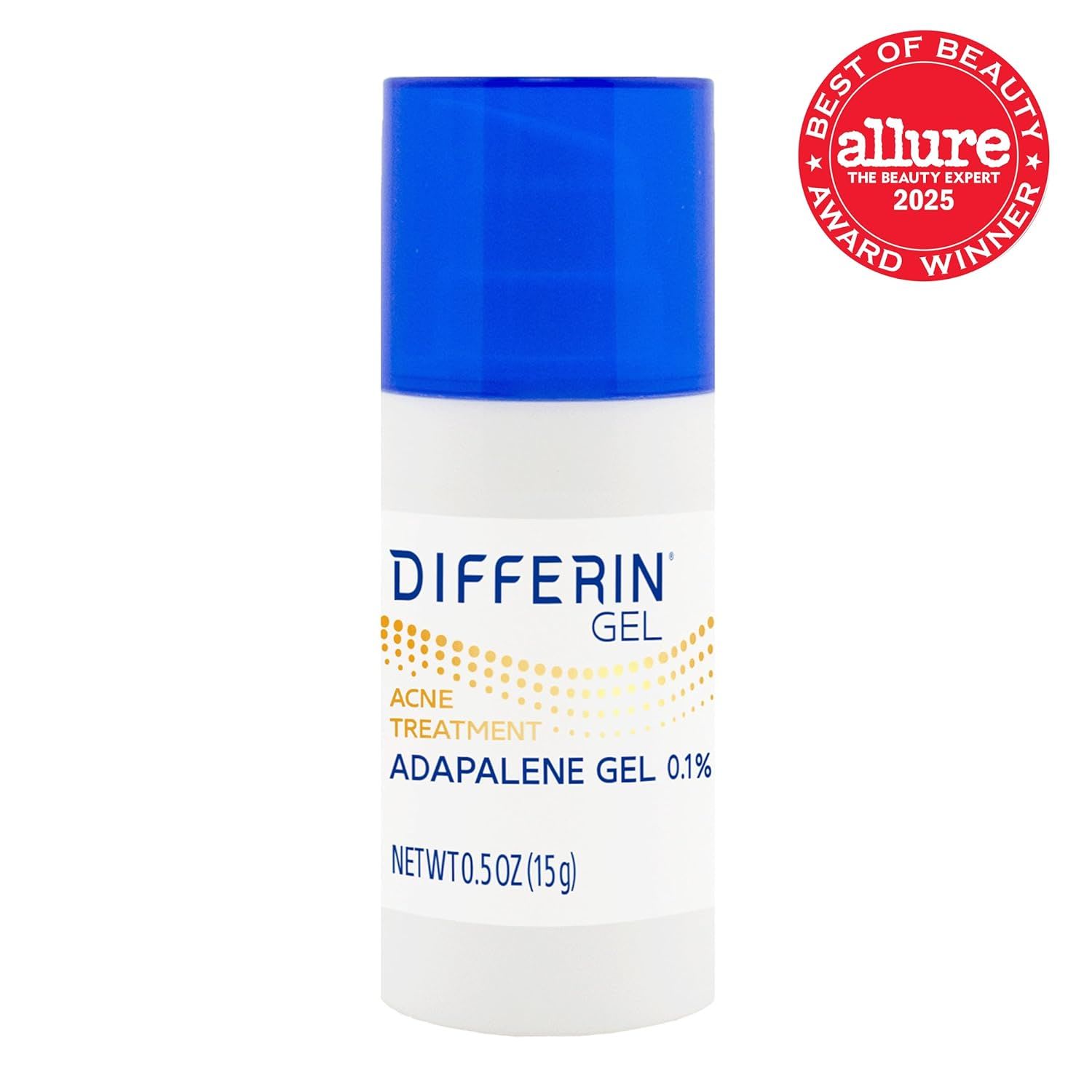
4/5 Differin Adapalene Gel 0.1% Acne Treatment
Adapalene is a topical retinoid that helps normalize skin cell turnover. When dead skin cells shed properly, they are less likely to stick together and clog pores. This makes adapalene especially effective for persistent blackheads and acne-prone skin. It’s often recommended by dermatologists as a long-term treatment.
Why it works:
A retinoid that helps prevent clogged pores
Reduces both existing blackheads and future congestion
5/5 Medicube Zero Pore Blackhead Mud Facial Mask
This Korean mud mask combines AHA, BHA, and PHA with bentonite, Canadian colloidal clay, and kaolin to exfoliate the skin surface and draw out excess oil from pores. The quick-dry formula sets in three minutes, making it practical for regular use. Applied once or twice a week, it helps reduce congestion between exfoliation treatments.
Why it works:
Combines three exfoliating acids with clay to target both surface buildup and oil inside pores
Absorbs excess sebum and helps keep pores clearer between treatments

How Do You Get Rid of Deep Blackheads?
Deep blackheads sit further inside the pore, which means surface treatments often can't reach them. In more persistent cases, dermatologists may recommend professional procedures, such as:
Professional extraction
A dermatologist or aesthetician uses a sterile comedone extractor to apply even pressure around the pore.Chemical peels
Acid-based peels remove the top layers of dead skin cells and help unclog pores.Microdermabrasion
This treatment exfoliates the skin using fine crystals or diamond tips to clear surface buildup.Laser resurfacing or medical facials
Certain laser and facial treatments reduce oil production and improve skin turnover.

Common Misconceptions About Blackheads
Many blackhead treatments fail because they are based on common skincare myths.
Myth #1: Blackheads Are Caused by Dirt
The dark color forms when oil and dead skin cells oxidize after exposure to air — not because dirt is trapped inside the pore. Harsh scrubbing won't remove blackheads and can increase oil production by irritating the skin barrier.
Myth #2: Blackheads Are Caused by Your Diet
Diet can influence acne for some people, but blackheads are primarily driven by excess sebum production and dead skin buildup, though diet may play a role in some individuals. Foods like dairy or high-glycemic carbohydrates may worsen breakouts in certain individuals, but they are not the main driver.
Myth #3: You Can't Wear Makeup if You Have Blackheads
The issue isn't makeup — it's formulation. Products labeled non-comedogenic are designed to avoid clogging pores. Removing makeup thoroughly at the end of the day matters far more than avoiding it altogether.
Myth #4: Blackheads and Large Pores Are the Same Thing
Pore size is influenced by genetics, oil production, and collagen levels. Blackheads become more visible when pores are larger, but one doesn't cause the other. Treatments that reduce oil and improve cell turnover often make pores appear smaller as a side effect.

FAQ
Are blackheads normal?
Yes. Blackheads are one of the most common forms of acne and affect most people at some point in life.
Are blackheads contagious?
No. They develop as a result of internal factors — oil production, dead skin cell buildup, and hormonal changes. External factors like skincare products may contribute, but blackheads are not transmissible.
Why do blackheads appear mostly on the nose?
The nose contains more sebaceous glands, which produce oil that can clog pores.
Do pore strips remove blackheads permanently?
No. Pore strips remove surface debris but do not prevent new clogs from forming.
How long does it take to remove blackheads?
Many treatments began to show improvement within 4 to 8 weeks; the results can vary, depending on skin type and consistency.
Can moisturizer cause blackheads?
Heavy formulas may clog pores, but lightweight non-comedogenic moisturizers actually help regulate oil production.
Can blackheads turn into pimples?
Yes. If bacteria multiply inside the clogged pore, inflammation can develop and lead to acne breakouts.
Do blackheads go away with age?
Oil production often decreases with age, but many adults still experience blackheads.
Can sunscreen cause blackheads?
Some heavy formulas can clog pores, but non-comedogenic sunscreens are designed to prevent this.
Squeezing blackheads under stress or before a big event often makes congestion worse. If your skin needs to recover fast, Super Bowl LXI: Recovery Essentials Your Skin Needs on Monday covers what actually helps skin reset after stress.
Conclusion
Blackheads develop when oil and dead skin cells clog pores and oxidize at the surface. They respond well to treatments that target buildup from the inside — salicylic acid, retinoids, and gentle exfoliating acids — rather than aggressive surface scrubbing.
Consistency matters more than intensity. Most treatments take four to eight weeks to show visible results, and preventing new clogs requires the same routine that clears existing ones.
Seeing how your skin responds over those weeks makes it easier to know what's actually working. The EpicaBeauty can help track changes in your skin over time and support your routine through regular scans and guided lessons, so you can adjust your routine based on real results.
Safety Disclaimer
This content is for educational purposes only and is not a substitute for medical advice. If you have persistent acne, sensitive skin, or are unsure which treatments are appropriate for you, consult a board-certified dermatologist before starting new skincare products.


- Healthline. How to Get Rid of Blackheads. February 12, 2026. https://www.healthline.com/health/beauty-skin-care/how-to-get-rid-of-blackheads. Accessed March 12, 2026.
Cosmopolitan. How to Get Rid of Blackheads, According to Derms and Estheticians. February 11, 2026. https://www.cosmopolitan.com/style-beauty/beauty/a70290655/get-rid-of-blackheads/. Accessed March 12, 2026.
Cleveland Clinic. 9 Ways to Get Rid of Blackheads. October 8, 2025. https://health.clevelandclinic.org/how-to-get-rid-of-blackheads. Accessed March 12, 2026.
WebMD. How to Get Rid of Blackheads. September 10, 2024. https://www.webmd.com/skin-problems-and-treatments/acne/how-get-rid-blackheads. Accessed March 12, 2026.
Dermalogica. How to Get Rid of Blackheads. November 7, 2023. https://www.dermalogica.co.uk/blogs/skinspiration/how-to-get-rid-of-blackheads. Accessed March 12, 2026.
Cleveland Clinic. Blackheads. November 17, 2021. https://my.clevelandclinic.org/health/diseases/22038-blackheads. Accessed March 12, 2026.
- Healthline. Sebaceous Filaments vs. Blackheads: How to Tell the Difference. November 12, 2020. https://www.healthline.com/health/sebaceous-filaments-vs-blackheads. Accessed March 12, 2026.